El momento de erradicar la violencia contra las mujeres en política es ahora

Por María Noel Vaeza
Democracy and the equal participation of men and women in the political arena are closely intertwined. No parliament or any decision-making body can claim to be representative without the participation of both men and women. As stated in the Universal Declaration on Democracy adopted by the Inter-Parliamentary Union’s Member Parliaments in 1997, "The achievement of democracy presupposes a genuine partnership between men and women in the conduct of the affairs of society in which they work in equality and complementarity, drawing mutual enrichment from their differences."
Recent years have seen a steady increase in the number of women in parliament, though the world average of less than 22 percent remains far from the goal of parity between women and men. The election of women to the highest positions of state and government in several countries has also contributed to the changing face of politics.
While the road to election is a difficult one, the challenges for women do not stop there. Once women enter parliament or other bodies, they are faced with many new challenges. Parliament is traditionally a male-oriented domain where the rules and practices have been written by men. It is, therefore, an ongoing challenge to transform parliament into a gender-sensitive environment, to ensure that actions are gender-sensitive and to guarantee that gender is mainstreamed throughout the legislature.
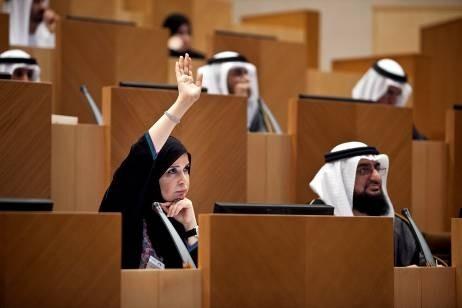
Por María Noel Vaeza
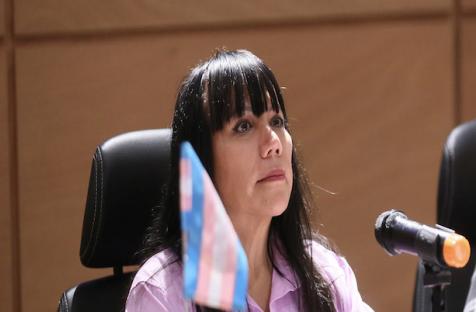
El artículo 2 de la Declaración Universal de los Derechos Humanos establece que: toda persona tiene todos los derechos y libertades proclamados en la Declaración, sin distinción alguna de raza, color, sexo, idioma, religión, opinión política o de cualquier otra índole

Yolanda Díaz, Mónica Oltra, Ada Colau, Mónica García y Fatima Hamed Hossain, que se reúnen hoy en un acto en Valencia, plantean en cinco artículos su visión de cómo hacer otras políticas impulsando los liderazgos femeninos.

Por Karen Garzón-Sherdek
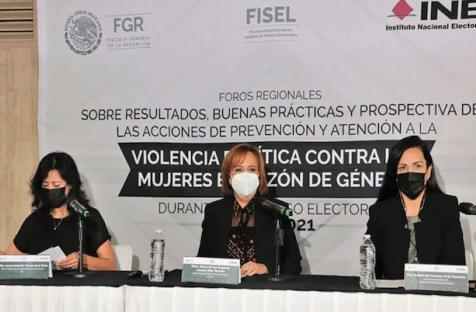
Autoridades de la Fiscalía General de la República, del Instituto Nacional Electoral (INE) y del Poder Judicial de la Federación, reconocieron que es grave y en aumento la violencia política hacia las mujeres por cuestión de género, y se comprometieron a una mayor coo

Cada vez más mujeres se están insertando en espacios y ámbitos concebidos anteriormente como propios de los hombres.

Por Eva Guerrero Ríos

Con la marcha de la canciller Angela Merkel, solo tres de los 27 líderes que se sientan en la mesa del Consejo Europeo son mujeres.

Por Tarcila Rivera Zea