Aller au contenu principal

Parliaments and Representatives

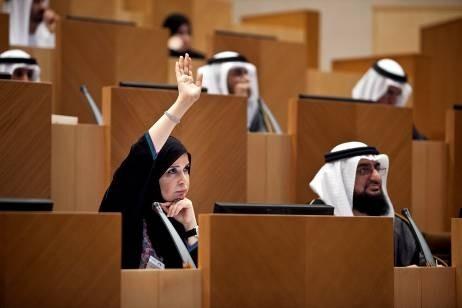
Democracy and the equal participation of men and women in the political arena are closely intertwined. No parliament or any decision-making body can claim to be representative without the participation of both men and women. As stated in the Universal Declaration on Democracy adopted by the Inter-Parliamentary Union’s Member Parliaments in 1997, "The achievement of democracy presupposes a genuine partnership between men and women in the conduct of the affairs of society in which they work in equality and complementarity, drawing mutual enrichment from their differences."

Recent years have seen a steady increase in the number of women in parliament, though the world average of less than 22 percent remains far from the goal of parity between women and men. The election of women to the highest positions of state and government in several countries has also contributed to the changing face of politics.

While the road to election is a difficult one, the challenges for women do not stop there. Once women enter parliament or other bodies, they are faced with many new challenges. Parliament is traditionally a male-oriented domain where the rules and practices have been written by men. It is, therefore, an ongoing challenge to transform parliament into a gender-sensitive environment, to ensure that actions are gender-sensitive and to guarantee that gender is mainstreamed throughout the legislature.

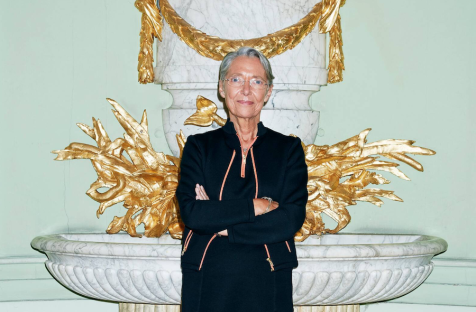
Borne, première ministre: combien de femmes au Parlement et à la tête des grandes villes, régions?

Élisabeth Borne est devenue lundi la deuxième femme française à occuper le poste de Première ministre, après Édith Cresson il y a 30 ans. Mais au-delà de cette nomination symbolique, quelle place occupent les femmes aux postes de pouvoir ?

mai 17, 2022
Elisabeth Borne nommée Première ministre par Emmanuel Macron

L’ancienne ministre du Travail Elisabeth Borne remplace Jean Castex et va diriger le nouveau gouvernement du président de la République.

mai 12, 2022
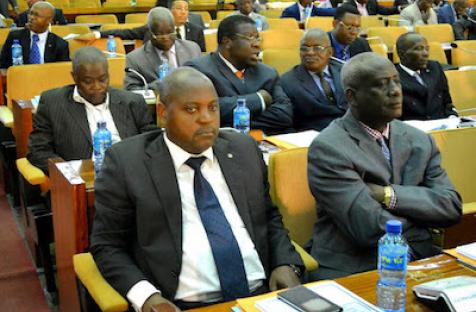
Loi électorale en RDC: le G13 pour le quota de 30% de femmes sur les listes électorales

Le G13 a proposé, il y a quelques jours, un quota de 30% des femmes parmi les conditions de recevabilité des listes électorales, en RDC.

mai 11, 2022
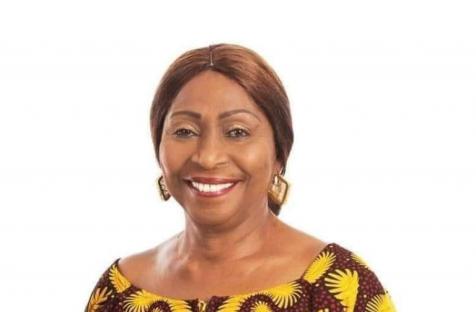
Aminata Tounkara, Présidente par intérim de l' Assemblée Nationale de la Côte d'Ivoire

Aminata Tounkara, députée de Treichville, assure l'intérim du président de l'Assemblée nationale de Côte d'Ivoire au terme d'une réunion des députés, tenue et dirigée par la dame de fer de la Chambre basse du Parlement, ce lundi 9 mai 2022.