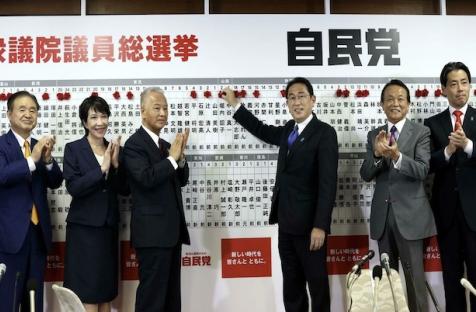
Au Japon, ce mercredi 10 novembre, c'est la rentrée parlementaire, à la suite des élections législatives qui se sont tenues dimanche dernier.
Democracy and the equal participation of men and women in the political arena are closely intertwined. No parliament or any decision-making body can claim to be representative without the participation of both men and women. As stated in the Universal Declaration on Democracy adopted by the Inter-Parliamentary Union’s Member Parliaments in 1997, "The achievement of democracy presupposes a genuine partnership between men and women in the conduct of the affairs of society in which they work in equality and complementarity, drawing mutual enrichment from their differences."
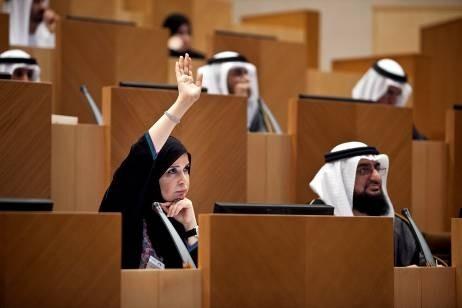
Recent years have seen a steady increase in the number of women in parliament, though the world average of less than 22 percent remains far from the goal of parity between women and men. The election of women to the highest positions of state and government in several countries has also contributed to the changing face of politics.
While the road to election is a difficult one, the challenges for women do not stop there. Once women enter parliament or other bodies, they are faced with many new challenges. Parliament is traditionally a male-oriented domain where the rules and practices have been written by men. It is, therefore, an ongoing challenge to transform parliament into a gender-sensitive environment, to ensure that actions are gender-sensitive and to guarantee that gender is mainstreamed throughout the legislature.
Au Japon, ce mercredi 10 novembre, c'est la rentrée parlementaire, à la suite des élections législatives qui se sont tenues dimanche dernier.
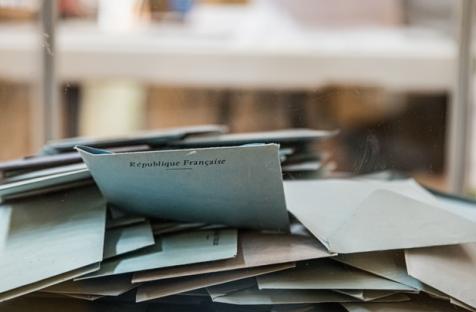
Un texte du sénateur socialiste Éric Kerrouche veut notamment étendre le scrutin de liste, avec alternance de noms d’hommes et de femmes, à toutes les communes sans distinction de taille. Et ceci, dans le but de tendre vers «la parité réelle».
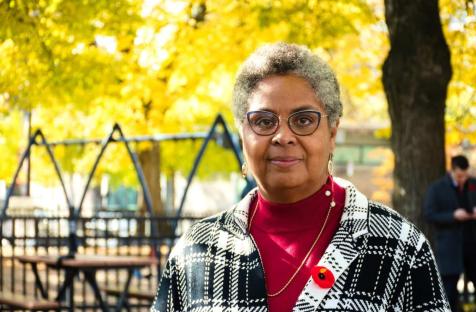
Avec la victoire de Projet Montréal, c’est Dominique Ollivier qui deviendra la nouvelle présidente du comité exécutif de la Ville, devenant la première femme noire à ce titre.
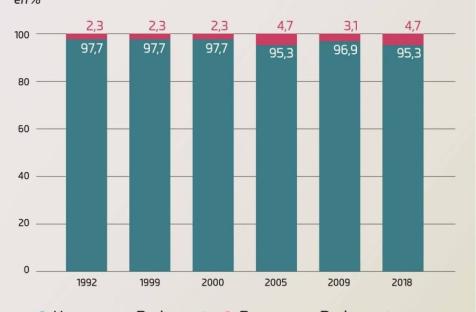
Les femmes siègent à l’Assemblée nationale du Québec depuis 60 ans et représentent 42,4% de la députation depuis les élections de 2018.
Elles étaient trois. Elles seront maintenant cinq pour les quatre prochaines années à la tête de l’une ou l'autre des dix plus grandes villes du Québec.
Un rapport du PNUD mo
By Louise Harel
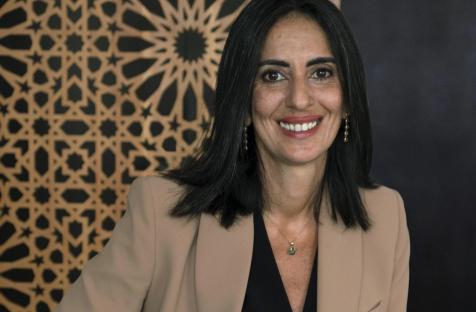
Nommé par le roi le 7 octobre, le nouveau gouvernement marocain mené par Aziz Akhannouch a apporté une grande nouveauté.
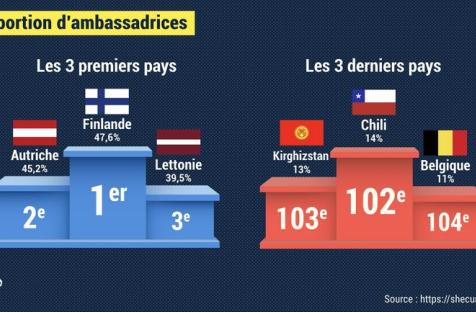
La diplomatie serait-elle un bastion de l’inégalité des genres en Belgique ? Un nouveau classement baptisé Shecurity s’intéresse entre autres à la place des femmes dans la diplomatie.