
May 21, 2025
Celebrating Women’s Digital Empowerment: Inspiring Stories from the Qodwa-Tech Beneficiaries
As we commemorate World Telecommunications and Information Society Day this year, with its theme of g
As we commemorate World Telecommunications and Information Society Day this year, with its theme of g

Calls for peace filled the air as representatives from over 20 existing and newly emerging women’s anti-war initiatives from various civic and political backgrounds and geographical locations within S

Egypt is hosting a regional dialogue to boost women's political participation in the Arab world, bringing delegations from 11 Arab countries.
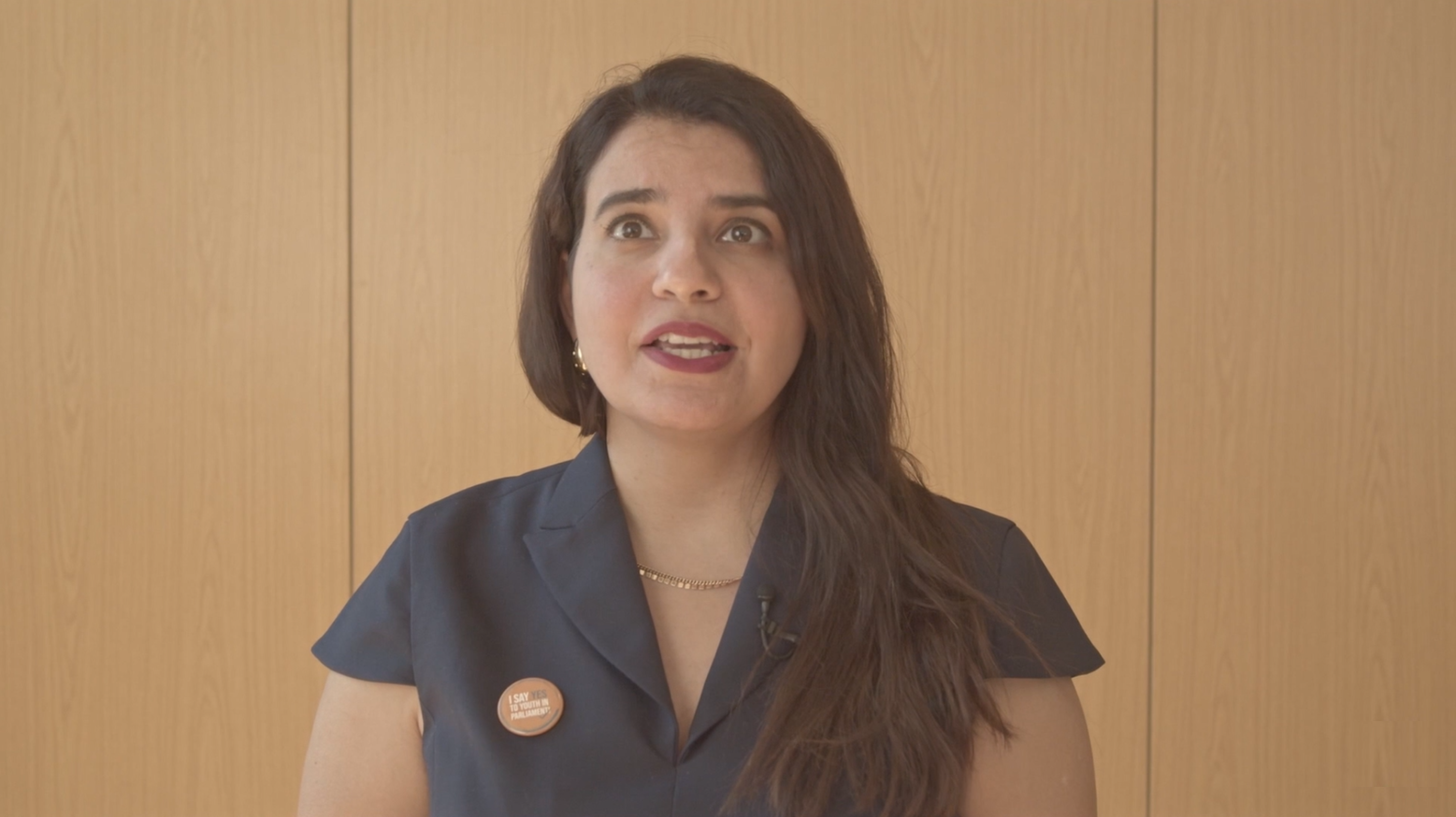
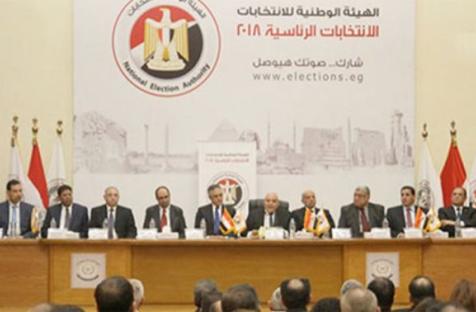
In the fierce competition for individual seats in the Senate elections, women compete for 91 seats in 20 electoral districts nationwide, out of 787 candidatesin Cairo Governorate.

Egypt’s House of Representatives approved, on Tuesday, a new law that will see the country’s parliamentary electoral districts redrawn.

The Egyptian Parliament has approved an amendment to an article in the constitution to allocate 25 percent of seats to women, local daily Egypt Today reported.

The coronavirus pandemic is forcing us all to enter a new normal; a new way of life that is pushing us to change the way we work, create and understand the world.