
Namibia
| Quota Information | Parliament Information | ||
|---|---|---|---|
| Are there legislated quotas? | Yes | Structure of parliament | Unicameral |
| For the Single/Lower House? | No | >Current members | 104 |
| Percentage of women | 44.23% | ||
| Source: Gender Quotas Database | Source: New Parline | ||

President Netumbo Nandi-Ndaitwah reaffirmed Namibia’s firm commitment to promoting gender equality across all sectors.
She emphasised that women’s emancipation is both a constitutional duty and a moral obligation.
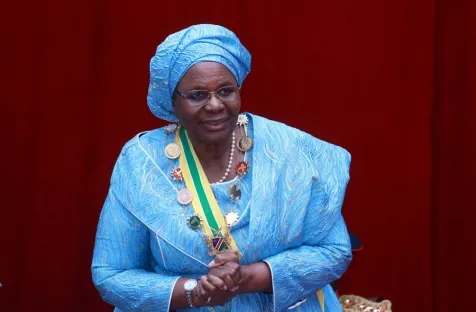
Women Now Hold Top Three Positions in Government
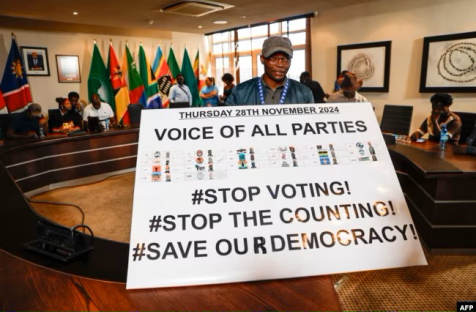
WINDHOEK, NAMIBIA — Namibia extended voting for a second time Thursday with the opposition crying foul after logistical failures prevented many people from casting their ballots in the closely fought election.
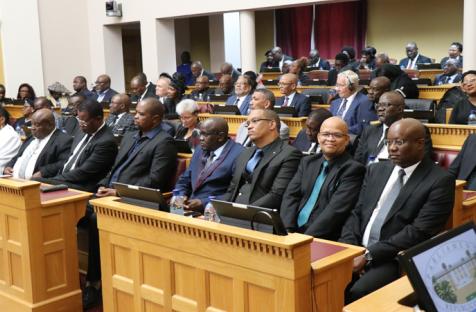
In a parliamentary democracy like Namibia, all power shall be vested in the people through freely elected representatives exercising this power.
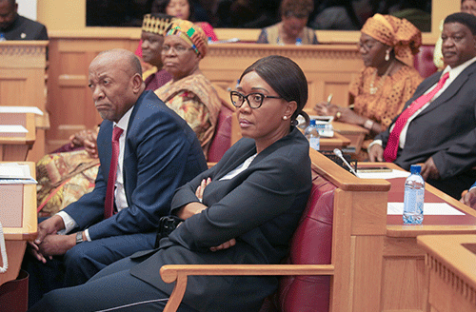
Only 26.5% of the world’s parliamentarians are women, placing the world on the back foot in achieving gender parity, but Namibia could achieve its 50/50 target by 2025.
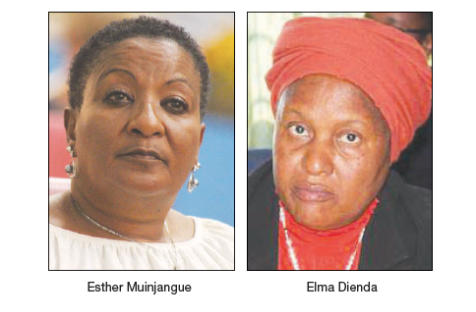
A CROSS section of female politicians in Namibia have voiced their concern over the slow progress of political parties in implementing 50/50 (zebra style) representation in party structures and parliament.
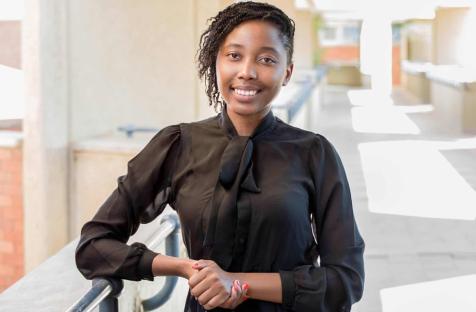
One of Africa’s youngest cabinet members to date is experiencing a baptism of fire.
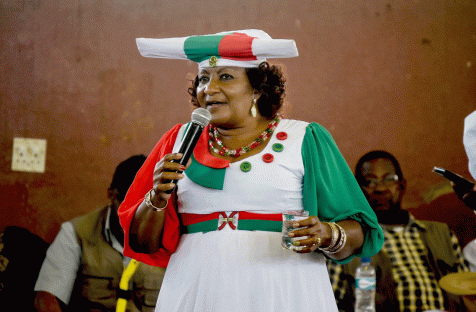
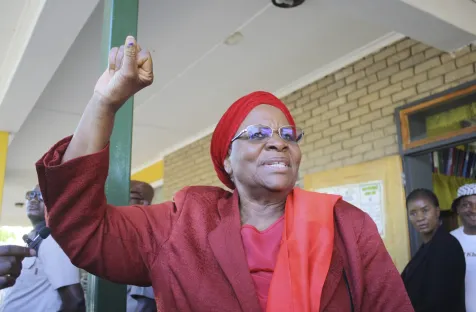
Calm and confident, Esther Muinjangue, Namibia’s first woman to run for president, says she feels a “wind of change” softly blowing through the southwest African country which goes to the polls on Wednesday.
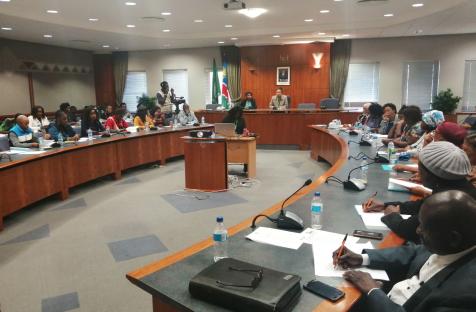
The Ministry of Information and Communication Technology (MICT) recently conducted an ICT assessment of rural women parliamentarians with male as partners as a means to identify the basic needs of information technologies.
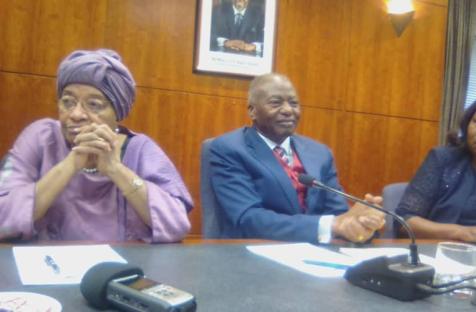
Liberia and Africa's first ever female president, Ellen Johnson Sirleaf has jetted in the country to engage the parliamentary women caucus and committee on gender equality, social development and family affairs on gender related issues.
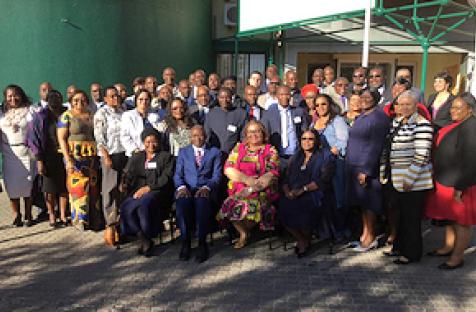
The Namibian Parliament has produce
THE situation of women in Namibia cannot be understood without a thorough understanding of the historical, political, social and economic conditions of Namibia.
This session on the Advancement of Women is very important for us because of the location of women in the structure of our society on the one hand and the normative position of gender empowerment on the other.
Historically, women and power were mutually exclusive terms. Traditionally women only held and experienced power through their men - fathers, husbands or sons.
Namibia is gearing up for another 16 Days of Activism Against Gender-based Violence, and this year's official commemoration will take place at the southern village of Kalkrand.
The results of last month’s Presidential and National Assembly elections showed a heavily skewed women representation in the next parliament, with only 16 women, representing 22 percent, penciled to start in the National Assembly next year.