
Haiti
| Quota Information | Parliament Information | ||
|---|---|---|---|
| Are there legislated quotas? | Yes | Structure of parliament | Unicameral |
| For the Single/Lower House? | Yes | >Current members | 0 |
| Percentage of women | 0.00% | ||
| Source: Gender Quotas Database | Source: New Parline | ||
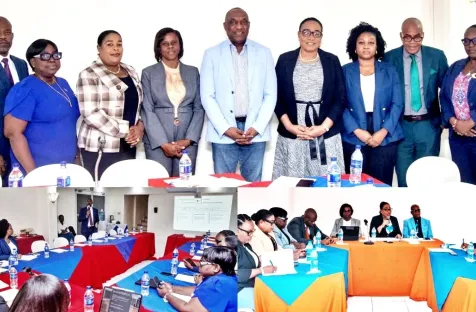
On Monday, September 14, 2026, at the Hotel Montana in Pétion-Ville, the Ministry of the Status of Women launched a series of consultations with political parties and groups aimed at strengthening women's participation in the upcoming elections.
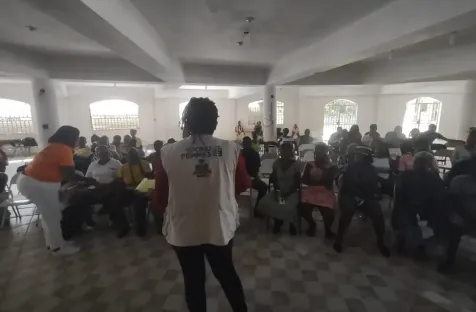
Never before had litigants, coming from the remote communal sections of Quartier Morin, Limbé, and Fort-Bourgeois, had access to justice so close and free of charge.
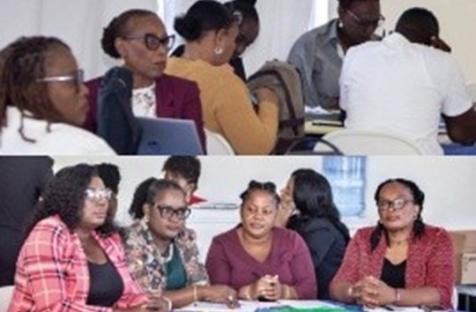
On Saturday, January 17, the Ministry for the Status of Women and Women's Rights (MCFDF) took a decisive step for 2026. The Ministry launched a three-day strategic and professional retreat at the Montana Hotel in Pétion-ville.
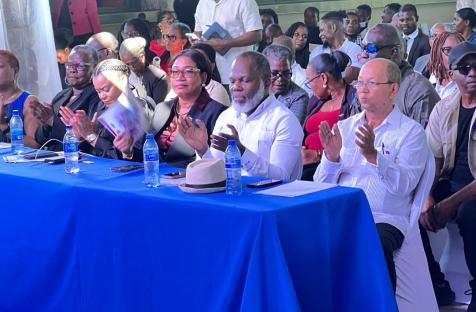
The Ministry for the Status of Women and Women’s Rights (MCFDF) officially launched, this Friday at the La Cretonne Hotel in Les Cayes, the General Assembly on “women’s political participation and electoral violence,” under the evocative theme: “There is no democracy or
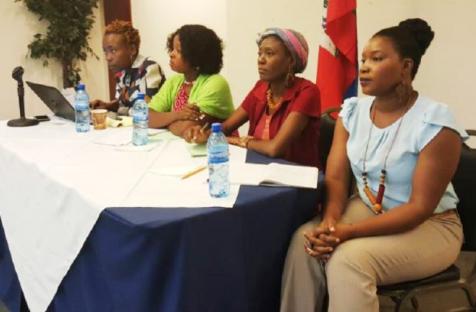
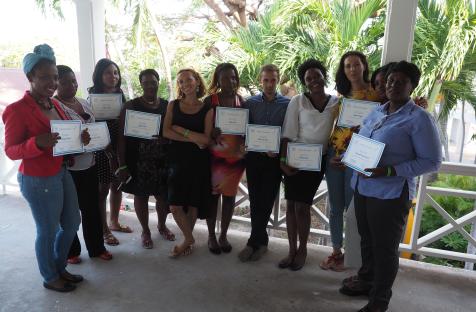
By Marie Doucey
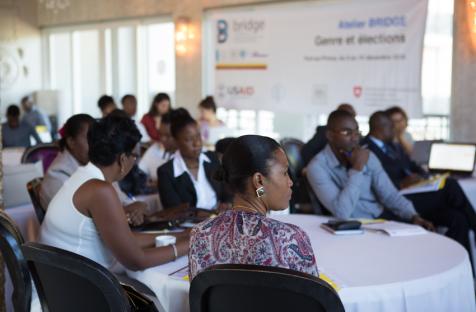
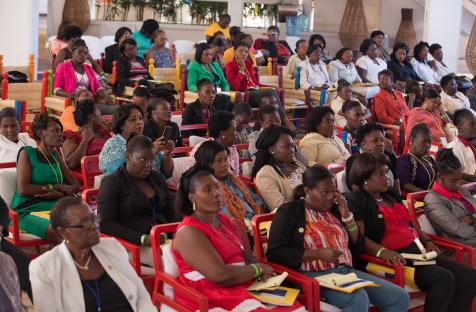
From 27-30 November 2016, Inter
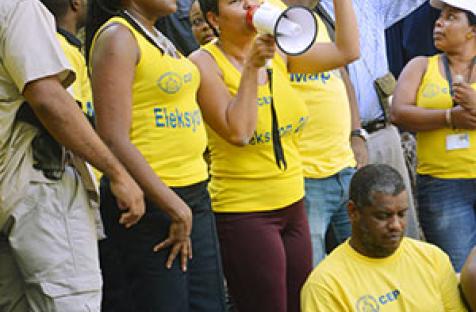
Back in 2006, in the lead-up to Hai

Sixteen years ago the BRIDGE –Building Resources in Democracy, Governance and Elections– project was initiated.
A useful workshop aimed at generating an understanding in the media of Haiti’s women’s quota was held on 13 June in Port au Prince.
Thriving and revitalized, the city of Port-au-Prince hosted its first ever BRIDGE courses for members of the Haitian electoral management body.52 participants experienced BRIDGE for the first time during
During the First Ordinary Session of the Council of the Inter-American Commission of Women (CIM), which was held March 1, at the headquarters of the Organization of American States (OAS) in Washington, DC, around the theme "Women's rights: From Law to Practice" ; Marie Yanick Mézile, Haiti's Mini
Early this year, the International Organisation for Migration (IOM) completed a three-month survey of Haitians made homeless by the earthquake of January 2010.