
Thailand
| Quota Information | Parliament Information | ||
|---|---|---|---|
| Are there legislated quotas? | No | Structure of parliament | Bicameral |
| For the Single/Lower House? | No | >Current members | 489 |
| Percentage of women | 15.75% | ||
| Source: Gender Quotas Database | Source: New Parline | ||
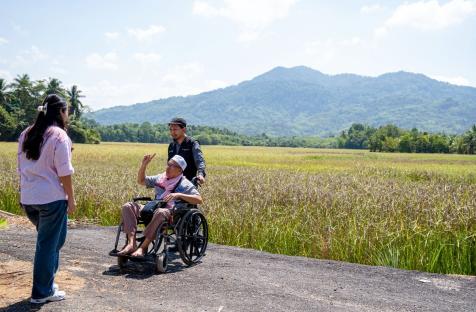
Adopted in 2000, UN Security Council resolution (UNSCR) 1325 recognizes women’s critical role in preventing and resolving conflicts, peacebuilding, peacekeeping, humanitarian response and post-conflict recovery, and calls for their equal participation and leadership in such efforts.
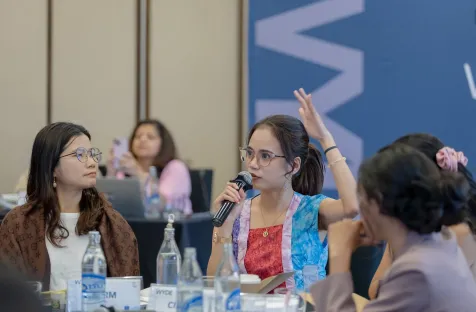
Two extraordinary young Indigenous women recently participated in the Young Women Empowerment Academy organised by International IDEA for emerging women leaders across Southeast Asia.
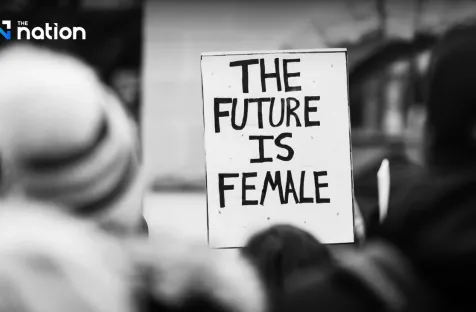
Thailand was once regarded as one of the most progressive in fostering gender equality. It was the second country in Asia to grant women the right to vote, as far back as 1932.

Move Forward Party MPs Wuttipong Thonglour and Chaiyamparwaan Manpianjit were expelled from the party after it was decided by the party’s disciplinary board that they had sexually harassed party
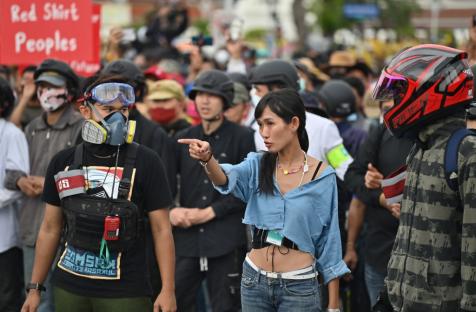
Denouncing sexual violence, demanding abortion reform and destigmatising sex work –- once-taboo issues are finding public expression in Thailand as women take up leadership roles in a youth-led pro-democracy movement.
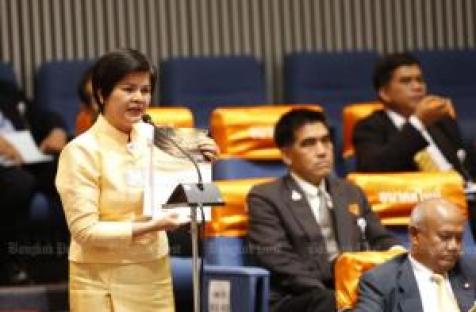
Young women in politics are still looked down upon as being inexperienced, while their ability to perform roles is often questioned, a forum was told on Wednesday.
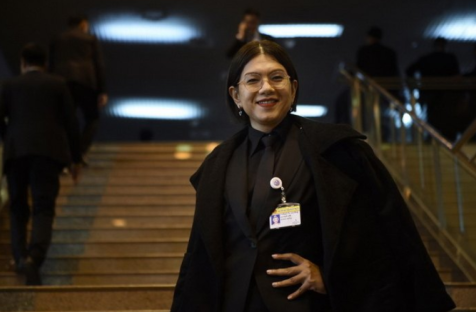
As Thai women struggle to establish a foothold in the politics of a nation that ranks among the worst in the world for sex parity in government leadership, news outlets in the West are cheering on the progressiveness of men attaining political positi
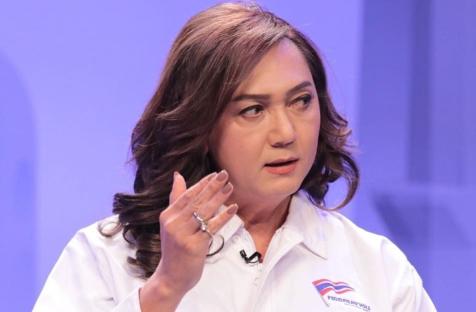
Pauline Ngarmpring thought she would take it slow as she began her new life as a transgender woman after transitioning at the age of 49.
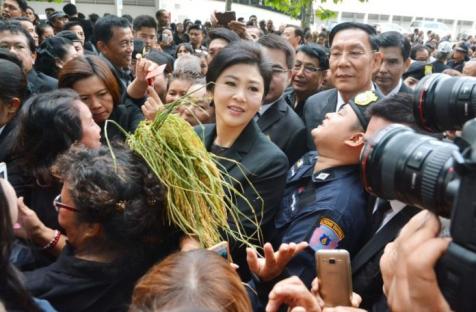
Thailand’s political glass ceiling is reinforced by notions of what’s appropriate, what’s feasible and what are traditional roles in society, according to three women politicians.
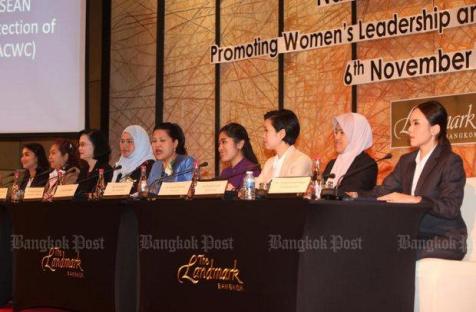
Thailand has one of the poorest rates of gender equality in politics globally, and international agencies say more women are needed in key decision-making processes.
A state of emergency, streets paralyzed with protesters, the fatal shooting of a leading pro-government activist and an election campaign teetering on chaos may not sound like the script from a rising Southeast Asian economic powerhouse.
A controversial election in Thailand will proceed as scheduled Sunday despite threats of continued violence from antigovernment protesters and fear that the result will only deepen the country's eight-year political crisis.
One of the ways to get out of the colour-coded political rut is for rival parties to set a common agenda on shared problems, visualise a more just future together, and work toward what their children will be grateful for. This sounds easier said than done.
International donors and state authorities need to stop merely supporting charitable activities for Malayu Muslim women in the deep South and start properly engaging them in the peace dialogue, it has been claimed.
Watch "The Glass Ceiling," UNDP Thailand's new film
The National Legislative Assembly of Thailand approved a new law last week that criminalizes marital rape. Previously, rape law could not be used to prosecute a husband who forced sex on his wife.
When women call for gender sensitivity in state policies, the male-dominated decision makers almost always respond that it is not necessary because men and women are the same.
Despite an increase in the number of female election candidates, women's rights advocates are still unhappy with the relatively small proportion of women running in the general election.
Women have gradually been elected to local governments in the Asia-Pacific area but they have yet to be installed as leaders in South East Asia, a joint report released on the eve of the 100th commemoration of International Women's Days states.
Muslim women in Thailand's insurgency-plagued southern region face problems of discrimination under state and religious law, as well as cultural norms, that are exceedingly difficult to address, a prominent human rights activist told TrustLaw.
On the one-year anniversary of a bloody confrontation between Red Shirt protesters and Thai government security forces that left scores dead and Bangkok in flames, the opposition Pheu Thai party listed 10 Red Shirt leaders among its candidates for parliament in national elections scheduled for J
With her telegenic good looks and powerful political support, Yingluck Shinawatra is shaking up Thailand's first parliamentary election since a wave of political violence last year.
After six prime ministers in six years of sometimes bloody political upheaval, Thais might be excused for shrugging their shoulders about voting in number seven. But this time there's one big difference.
Thailand's first female prime minister will this week join a long list of Asian women leaders whose power stems from family ties, with analysts saying the trend is a mixed blessing for equality.
Yingluck Shinawatra was poised to become Thailand's first female prime minister Sunday after her party won a majority of parliamentary seats in the nation's general elections.