
Lebanon
| Quota Information | Parliament Information | ||
|---|---|---|---|
| Are there legislated quotas? | No | Structure of parliament | Bicameral |
| For the Single/Lower House? | No | >Current members | 128 |
| Percentage of women | 6.25% | ||
| Source: Gender Quotas Database | Source: New Parline | ||
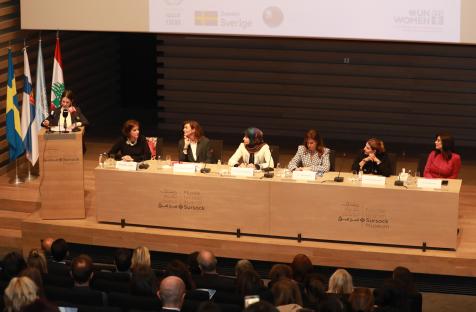
Beirut, 12 December 2022 – Today, UN Women and ESCWA jointly launched a report on women’s political participation entitled “Women at the Table: Insights from Lebanese Women in Politics”.
![A view of the ballot box for the presidential election which is placed on a table at the parliament in Lebanon, Beirut, on September 28, 2022. [Houssam Shbaro - Anadolu Agency]](/sites/default/files/styles/home_news_image/public/field/image/2._lebanon.jpg?itok=E5ZR2Koe "A view of the ballot box for the presidential election which is placed on a table at the parliament in Lebanon, Beirut, on September 28, 2022. [Houssam Shbaro - Anadolu Agency]")
Lebanese women are still excluded from the main decision-making positions in Lebanon, such as the presidency of the Republic, premiership and parliament speaker, despite their prominent presence in the human rights and diplomatic fields, and
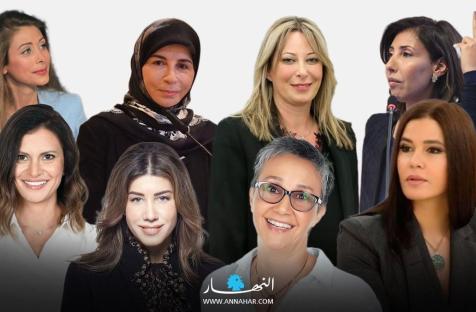
The Minister of Interior, Bassam Al-Mawlawi, officially announced the results of the parliamentary elections in which 1,043 candidates competed for seats of power.
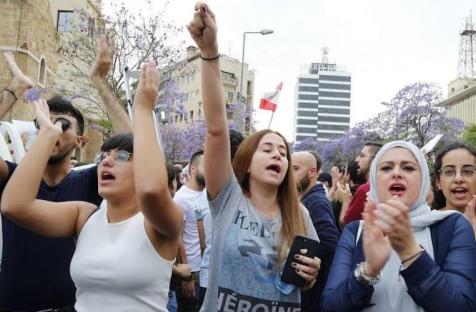
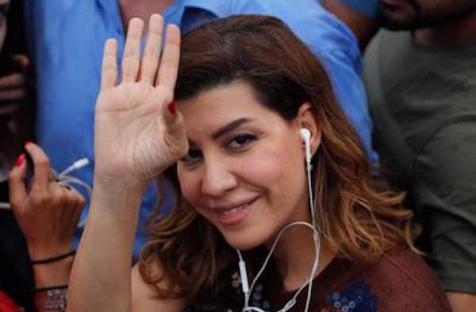
Female politicians still face numerous obstacles despite momentum for change.
On a sunny afternoon near a busy motorway in Beirut, former Lebanese MP Paula Yacoubian sits in the headquarters of her charitable organisation.
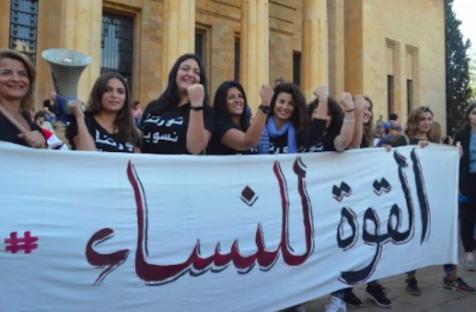
The general political context in 2022 is definitely different from that of 2018. But will the new Lebanese Parliament consist of more than six women following the May 15 elections?
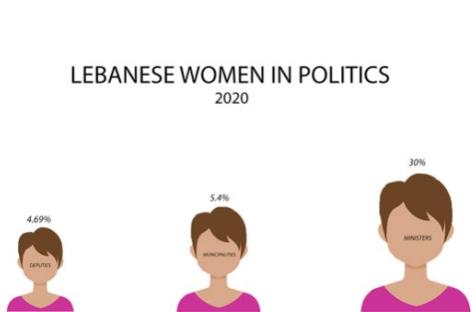
Despite its apparent liberalism, Lebanon scores low in gender equality, especially in politics.
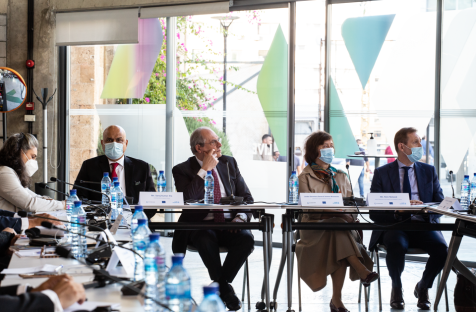
Beirut, (UN Women, The European Union and The World Bank) - Lebanon is facing a convergence of political, economic and social crises, all exacerbated by the COVID-19 pandemic. These crises are causing extraor
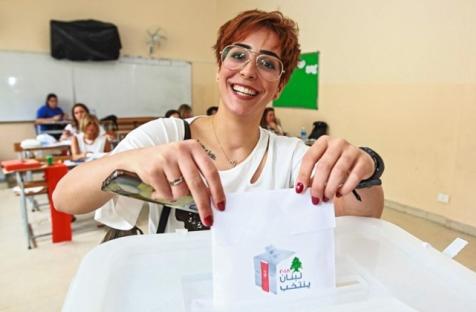
With Lebanon’s next parliamentary elections slated for 2022, coalitions should begin pushing to ensure women are equally represented in politics, activists and local advocacy groups said following the release of a U.N.
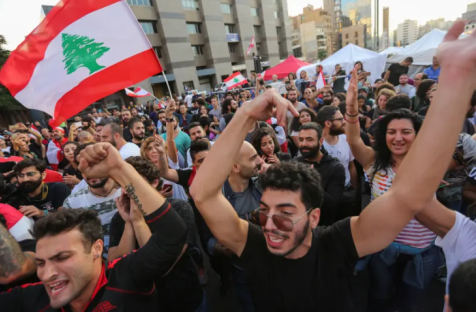
Women were at the forefront of Lebanon’s 2019 ‘October Revolution’.
Amidst all the gloomy news and dispiriting just-ins invading our feeds every day, it's quite nice to come across some uplifting stories, every now and then, that remind us that there are still things, however small, to rejoice over in Lebanon.
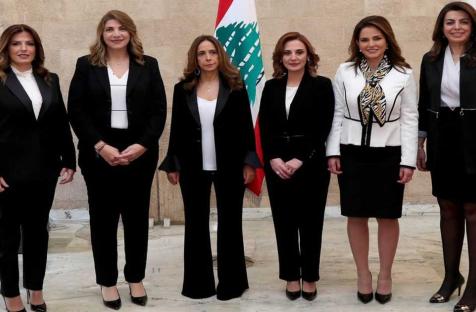
Lebanon unveiled a new government on January 22, 85 days after the resignation of prime minister Saad al-Hariri.
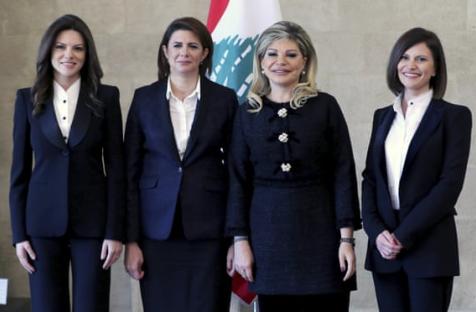
The Arab world’s first female interior minister has hailed her appointment as a “point of pride for all women”.
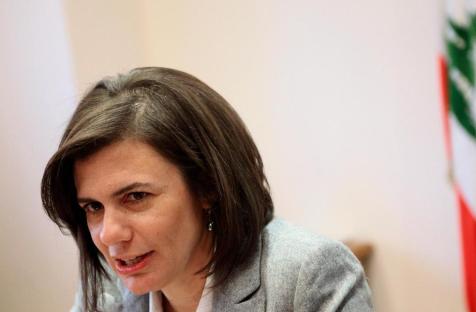
Lebanese politician Raya Hassan made history on Thursday when she became the first woman interior minister in the Arab world.
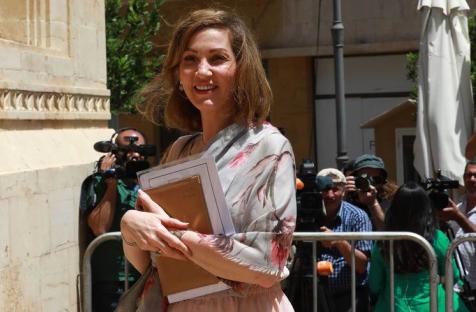
BEIRUT — Earlier this month, Lebanon voted in parliamentary elections to fill seats based on a new system of proportional representation.
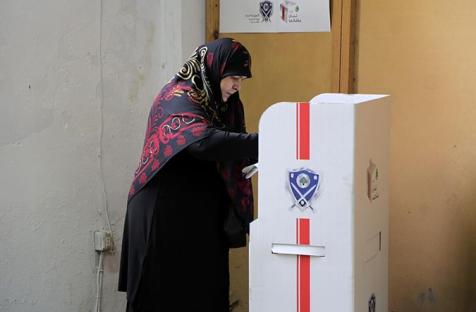
In its highly anticipated parliamentary election in almost ten years, Lebanon saw a record number of women on the ballot. An unprecedented 113 women registered as candidates, and 86 of them made it to candidate lists.
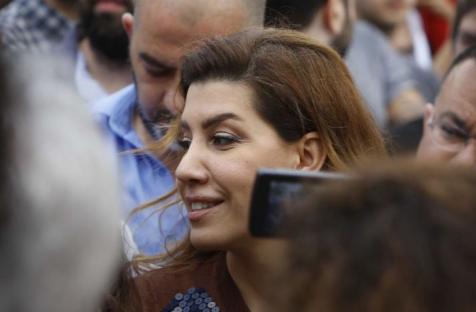
Lebanon’s new Parliament will include six female lawmakers across the country, up from just four in the 2009-era Parliament, with several fresh faces.
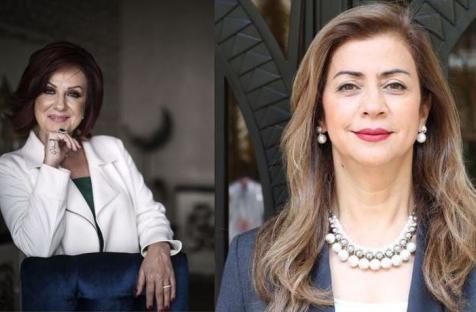
There are only four women in Lebanon’s female-unfriendly parliament, where even the women’s affairs minister is a man. A record number of female candidates – 84 to be precise – are trying to correct that jarring imbalance in Sunday’s election.
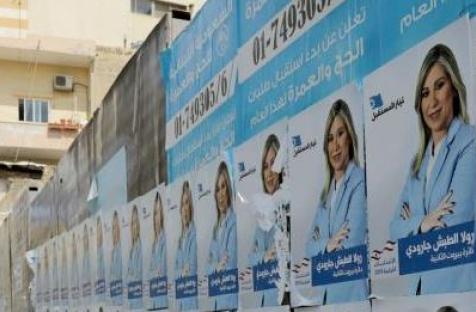
Lawyers, journalists, engineers, architects, NGO workers: the profile of the female candidates for the Lebanese parliamentary elections is as diversified as society itself.
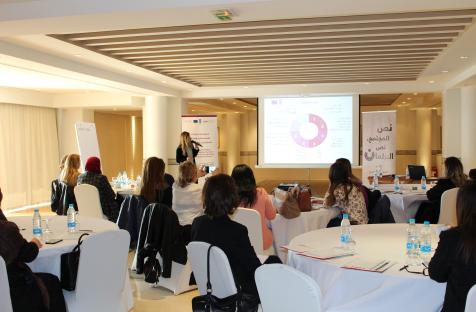
Beirut, February 8, 2018
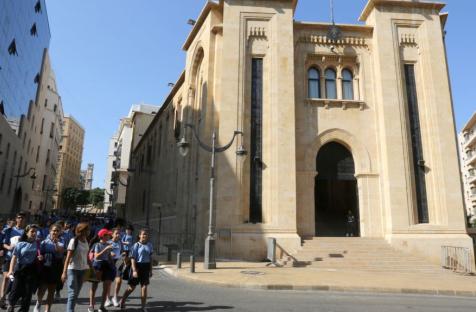
BEIRUT — In a country where women occupy only three percent of the parliament seats, Lebanon's first women's affairs minister — a man — is supporting a campaign to attract more women politicians.
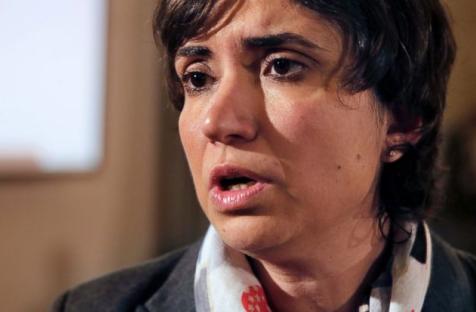
Lebanon is campaigning to get at least five times more women elected to Parliament this spring in its first vote in nearly 10 years, the country’s first women’s affairs minister says.
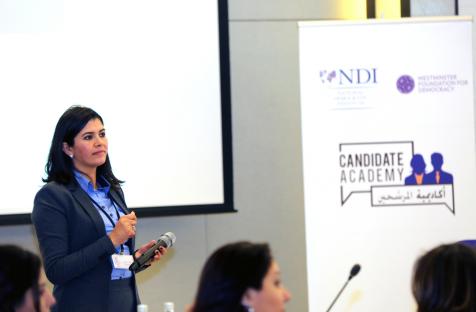
Lebanon is the oldest democracy in
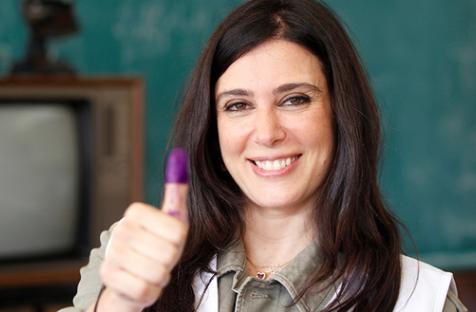
According to the National Commissio
At the end of 2011, women made up about 10 per cent of all parliamentarians in Arab states - far below the 19.5 per cent figure worldwide. However, some women in the region are making small steps into the political arena. Lebanon has a reputation as the most liberal country in the Arab world.
More than 50 women are planning to run for the upcoming parliamentary polls, as activists are still campaigning for quota in both the Parliament and Cabinet.
Lebanese women have made great strides in the private sector and are highly visible in the mainstream media as presenters and journalists.
Senior Shiite cleric Sayyed Mohammad Hussein Fadlallah stressed on Wednesday the right of women to become involved in politics and urged the Lebanese people to rebel against "anyone who obstructs the building of a strong Lebanese state."
As has been the case for the past six decades or so, the usually turbulent politics of Lebanon mirror almost perfectly the many strands of political, ideological, commercial and criminal activities that define public life in the Arab world.
At least 133 violations of Lebanon's electoral law have been committed by various candidates and political parties over the last two weeks, a Lebanese elections watchdog group announced on Friday.
Political candidates running in Lebanon's upcoming elections should clarify how they intend to improve the country's poor human rights record and promise to enforce Lebanon's obligations under human rights legislation, a leading human rights organization said on Wednesday.
Rights activists demanding a change to Lebanon's discriminatory nationality law say they hope the issue will be debated at the few remaining Cabinet sessions before parliamentary elections on June 7.
As Lebanon's election approaches, the country's roadsides and rooftops are awash with colour-coded billboards vying to attract voters with puns, catchphrases and even what some say are sexist ads.The campaign poster that has sparked the most debate features the face of a brunette looking seductiv
Out of the 587 candidates running in the Lebanese parliamentary elections this year, only 12 are women.
In Lebanon’s June 7 parliamentary poll, women represent only two percent of the candidates, many of them with family names that have been appearing on ballots for generations.
To read the full article, please visit IPS News.
One can be born in Lebanon and live here all one's life, and still not be a Lebanese citizen. Lebanon is one of few remaining countries in the Middle East where a mother is unable to pass citizenship to her children.
Caretaker Finance Minister Raya al-Hasan expressed her hope for national legislation on a quota for women’s representation in Parliament, the National News Agency reported Thursday.
Women’s rights groups have this week celebrated the approval of several legal amendments by the parliamentary committee on justice and the parliamentary budget committee that would bring the country closer to legal gender equality if passed by Parliament.
BEIRUT: For all its virtues, Lebanese society continues to be heavily influenced by patriarchal culture, making it a daunting challenge for women to achieve political influence and power. Yet change may be in the offing.
On July 9-10 iKNOW Politics participated in the UNDP roundtable, Women in Arab Parliaments: Progress, Stagnation or Regression? iKNOW Politics plans to launch an Arabic version of the Network’s website in the Fall of 2009.