
Morocco
| Quota Information | Parliament Information | ||
|---|---|---|---|
| Are there legislated quotas? | Yes | Structure of parliament | Unicameral |
| For the Single/Lower House? | Yes | >Current members | 395 |
| Percentage of women | 24.05% | ||
| Source: Gender Quotas Database | Source: New Parline | ||
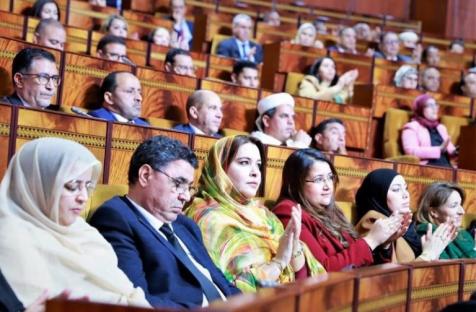
Morocco’s electoral system has introduced new measures aimed at increasing women’s representation in Parliament and expanding their role in the creation of political parties ahead of the Sept. 23 elections, according to Morocco’s Press Agency (MAP).
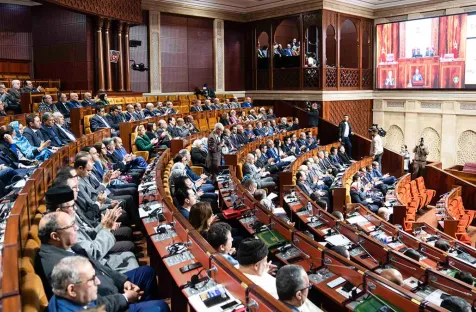
The Kingdom of Morocco is implementing statutory mechanisms across its electoral framework to reinforce female representation in Parliament and expand women's participation in political decision-making.
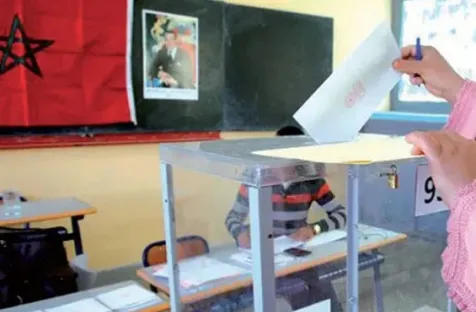
As tensions mount within the Socialist Union of Popular Forces (USFP) over allegations that women's nominations are being monetized, the selection process for regional candidates in the upcoming September 2026 elections reveals a broader issue of systemic political violence, transcending any sing
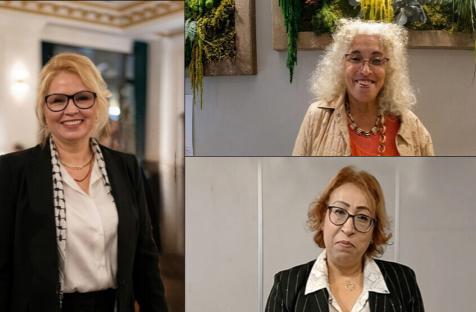
Morocco — Political participation is not tied to will and competence alone; it also requires the ability to bear the cost of electoral campaigns, travel, communication, and continuous engagement in party work.
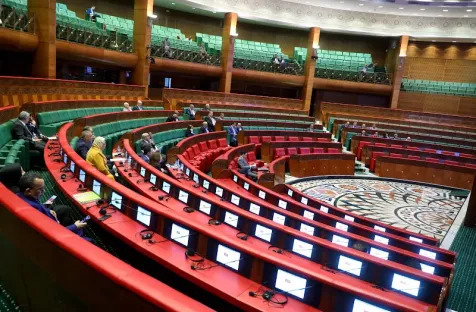
Moroccan women’s rights organizations have criticized political parties over the limited number of women selected to head electoral lists for the September 2026 parliamentary elections, arguing that the nominations fall short of the country’s constitutional commitm
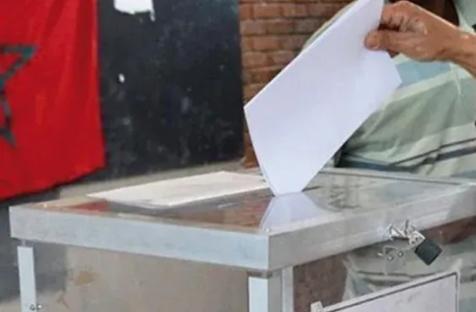
This week, the Minister of Solidarity, Social Integration and Family, Naïma Ben Yahya, announced the launch of a national campaign to raise awareness about women’s political participation.
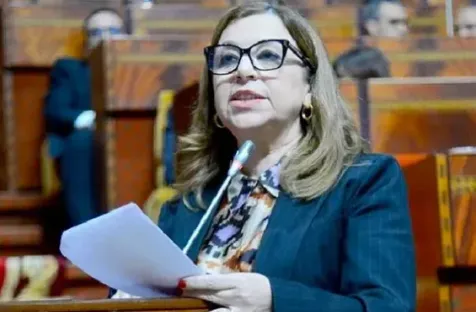
The Minister of Solidarity, Social Inclusion and Family, Naïma Ben Yahia, announced on Monday in Rabat the upcoming launch of a nationwide awareness campaign promoting women’s political participation and tackling discrimination and stereotypes in politics.

Morocco’s significant progress in ensuring women’s full and equal participation and representation in political and decision-making spheres was showcased by the Interministerial Delegation for Human Rights (DIDH) during an event held Thursday in Geneva, on the sidelines
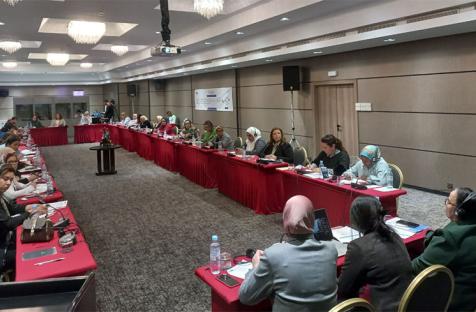
Congress Vice-President and Rapporteur on the South-Med Partnership, Xavier Cadoret (France, SOC/G/PD), welcomed the positive dynamic in Morocco in strengthening women’s political participation as
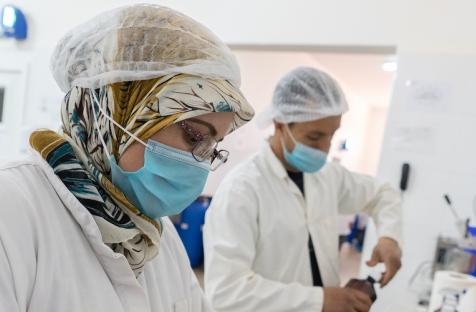
On July 31, 2021, the Moroccan Parliament adopted a reform that did not receive much attention but did represent a big step forward in helping close the country's gender gap.
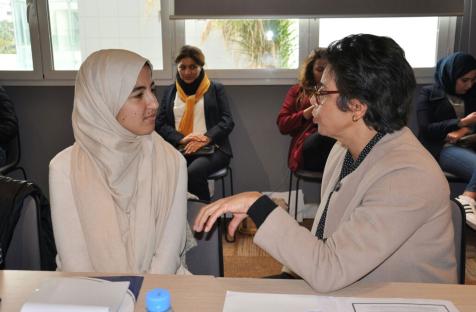
It’s 8:30 AM and Fatiha* is walking into the Moroccan Parliament. In a few minutes, she’s scheduled to sit down with her member of parliament (MP) for their weekly one-on-one meeting.
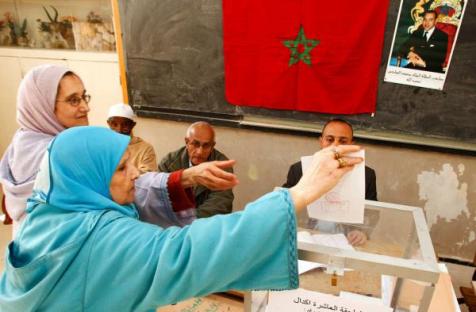
Parliamentary elections in Morocco
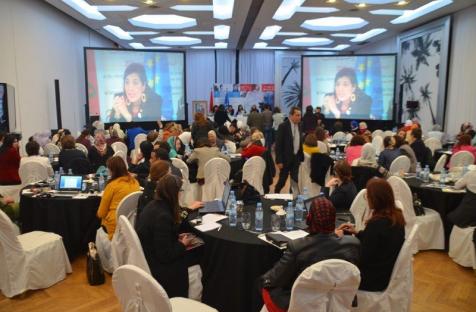
Women parliamentarians from the Arab States region unite to make a difference for sustainable development.
Morocco's Islamist-led government on Friday presented a new European Union-funded plan to promote women's rights and equality, but without earlier measures to legalize abortion and support single mothers.
Moroccan women are certain to win at least 10 percent of parliament seats in polls on Friday, but the kingdom needs to deepen reforms to advance equality in the male-dominated politics, activists say.
The issue of women in Parliament has returned to centre stage in Morocco following the country's recent legislative elections. In 2002, women were elected to 35 of the lower house of the Moroccan legislature's 325 seats; on September 7th, 2007, only 34 were selected.
National elections last October in Morocco brought 34 women to the first chamber of Parliament, but while the female MPs have proven effective legislators, their task has not been easy.
Regional Director for the Middle East and North Africa at the National Democratic Institute (NDI), Leslie Campbell, hailed Morocco's reforms promoting women's participation in politics and electoral transparency.
King Mohammed VI announced on Wednesday the lifting of Morocco's reservations on the Convention on the Elimination of All Forms of Discrimination against Women (CEDAW), describing them as obsolete.
A French women's rights group that led major marches to denounce violence to women in France's immigrant heavy suburbs is opening its first formal chapter in the Muslim world - in Morocco.
The progress made by Morocco in the field of gender equality is an example in the Arab world, visiting MP Lale Akgün from the Social Democratic Party (SPD) in the German federal parliament (Bundestag) said Tuesday.
Figures published by the Ministry of the Interior show that percentage of female candidates on supplemental lists has risen from 4.8% in 2003 to 15.7% this year. Yet, only 3.4% of candidates on the regular lists are women.
Morocco has just been through the last phases of its local elections. The reforms that were put in place for the occasion have indeed led to “technical” progress in the management of local communes, such as the voting of young people and women.