SDG5 Report: Gender equality
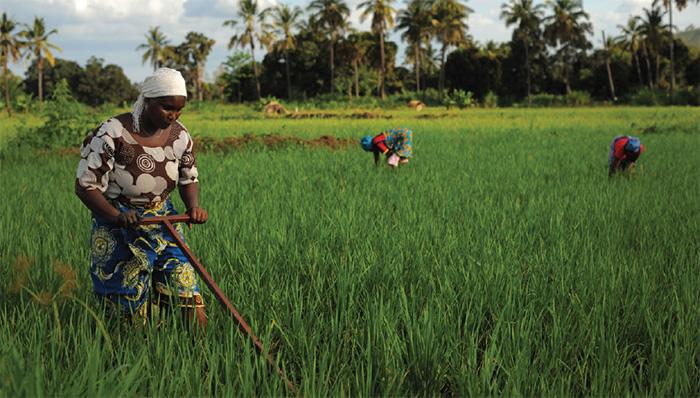
Advocacy and development are effective tools for gender advocates, male champions, civil society, and other stakeholders to hold leaders accountable to their commitments on concrete, measurable actions that guarantee women can fully and equally enjoy their rights. These include the ability to exercise freedom and choices, go to school, live free from violence, earn equal pay for equal work, and meaningfully engage in decision-making and political processes. Advocacy groups can collectively put pressure their leaders for legislative reforms to protect and promote women’s rights and concerns, which may require coalition-building, fundraising, civic education, awareness-raising and consensus-building on key issue platforms. Influencing legislation itself may require convince policy makers and legislators to address specific issues relevant to gender equality and women’s empowerment, which may involve introducing or revising legislation and policy.


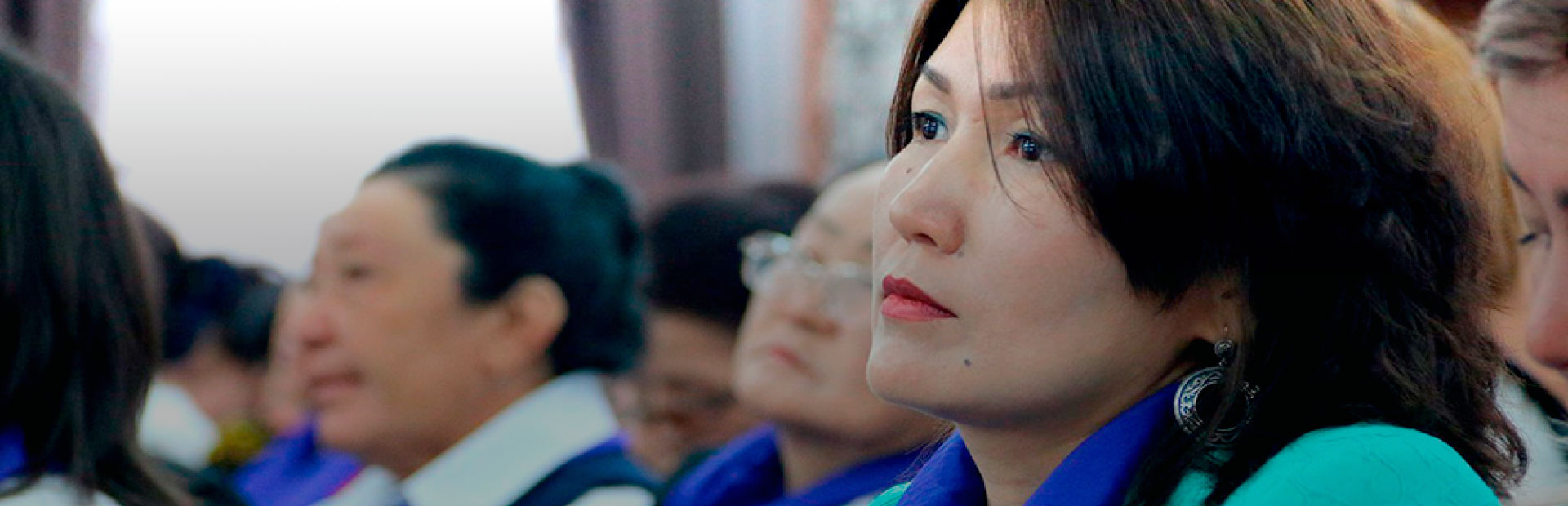
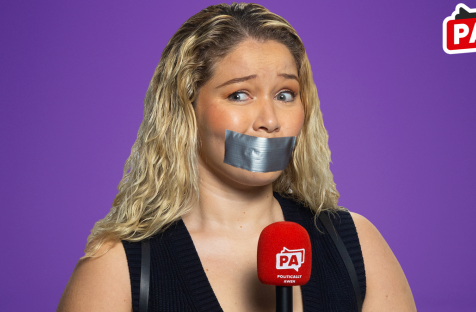
They are mocked, they are dismissed with jokes, they are humiliated online with deepfakes – they even have their very lives threatened. And still, as the poet Maya Angelou said, they rise. In this episode, Politically Aweh honours the fearless women of South African political life.
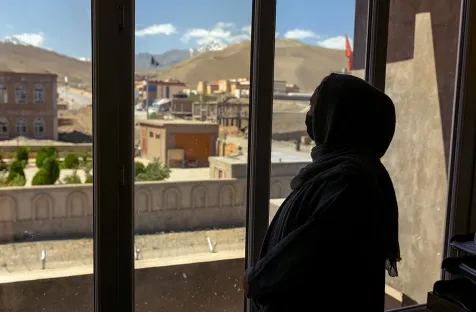
Half a decade after the Taliban takeover in August 2021, Afghanistan has systematically dismantled the rights of half its population, making it a global outlier with no parallel in the modern world.
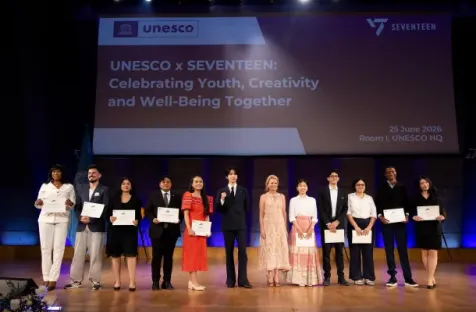
The event featured testimonies from young leaders, interactive discussions, and a showcase of impactful initiatives spanning mental health, arts, social inclusion and cultural heritage.
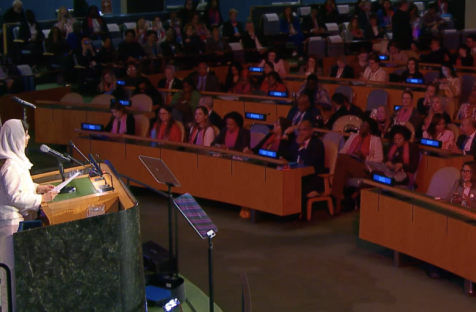
The United Nations Commission on the Status of Women (CSW) began its 10-
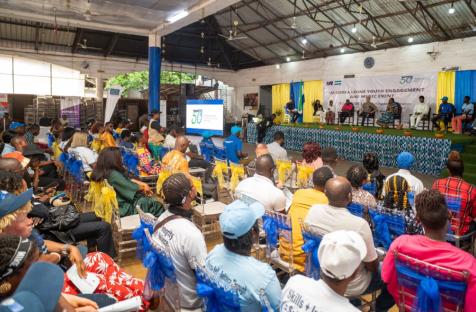
On 17 July 2026, the European Union Delegation to Sierra Leone hosted a Youth Engagement and Music Event at Family Kingdom in Freetown, as part of activities marking 50 years of partnership between the European Union and Sierra Leone.
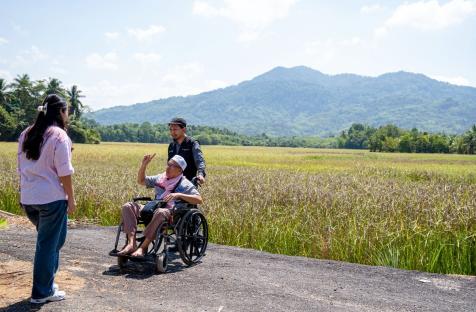
Adopted in 2000, UN Security Council resolution (UNSCR) 1325 recognizes women’s critical role in preventing and resolving conflicts, peacebuilding, peacekeeping, humanitarian response and post-conflict recovery, and calls for their equal participation and leadership in such efforts.
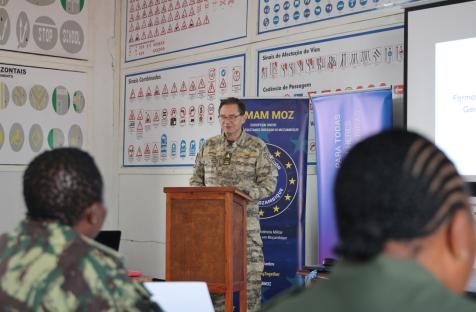
The initiative was jointly developed by the Mozambican Defence Armed Forces (FADM), the European Union Military Assistance Mission in Mozambique (EUMAM MOZ), and UN Women, with the aim of strengthening institutional capacities through the development of future trainers.