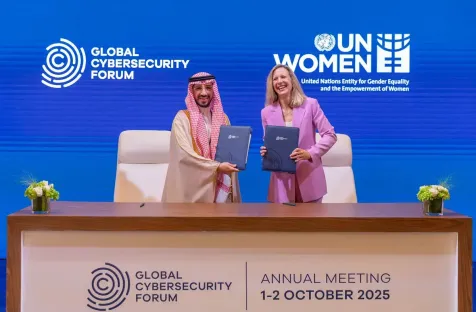
UN Women and the Global Cybersecurity Forum (GCF) have signed a Memorandum of Understanding (MoU) to strengthen women’s participation and leadership in cybersecurity and the digital economy.

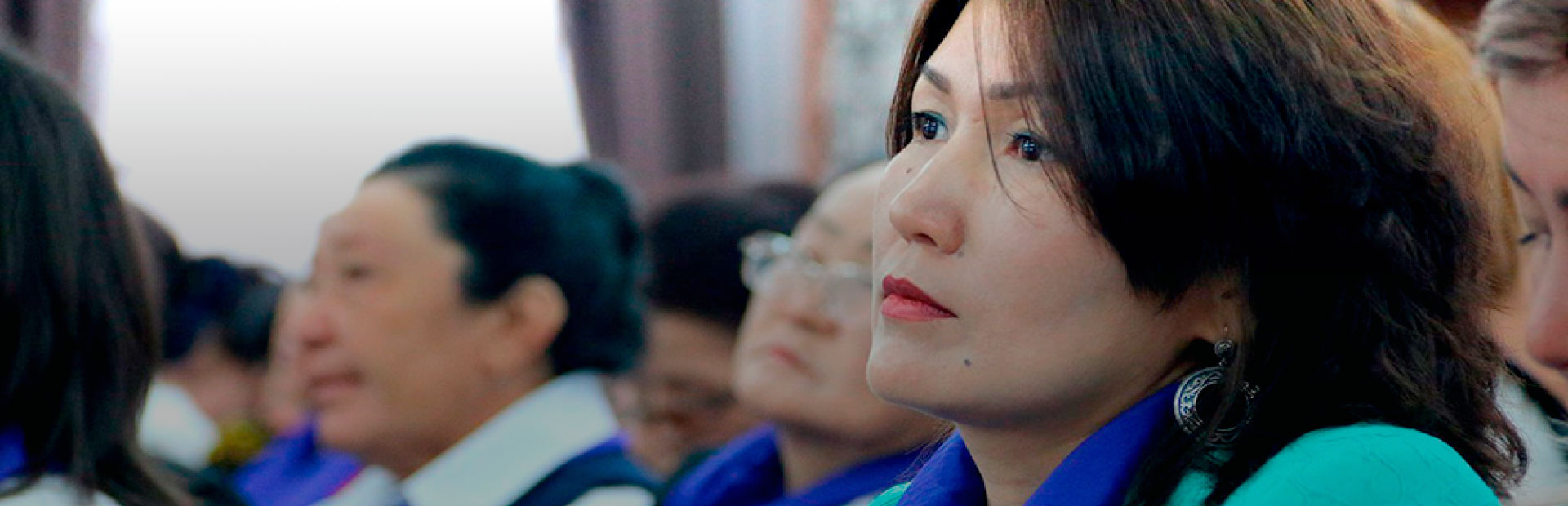
Advocacy and development are effective tools for gender advocates, male champions, civil society, and other stakeholders to hold leaders accountable to their commitments on concrete, measurable actions that guarantee women can fully and equally enjoy their rights. These include the ability to exercise freedom and choices, go to school, live free from violence, earn equal pay for equal work, and meaningfully engage in decision-making and political processes. Advocacy groups can collectively put pressure their leaders for legislative reforms to protect and promote women’s rights and concerns, which may require coalition-building, fundraising, civic education, awareness-raising and consensus-building on key issue platforms. Influencing legislation itself may require convince policy makers and legislators to address specific issues relevant to gender equality and women’s empowerment, which may involve introducing or revising legislation and policy.
UN Women and the Global Cybersecurity Forum (GCF) have signed a Memorandum of Understanding (MoU) to strengthen women’s participation and leadership in cybersecurity and the digital economy.
Over the past two decades, the structures of social communication and public discourse have undergone profound transformations.
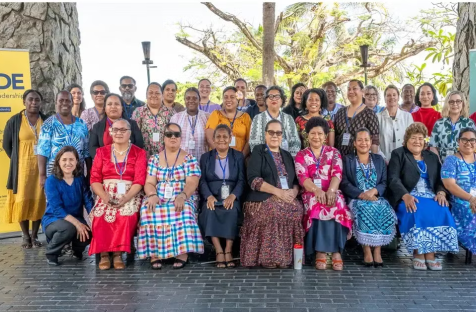
Nadi, Fiji – Over 30 women leaders, youth advocates, parliamentarians and gender equality champions from across the Pacific have gathered in Nadi, Fiji, for the WYDE | Women’s Leadership Regional Intergenerational Dialogue: Waves of Change – Pacific Women in Politics Ac
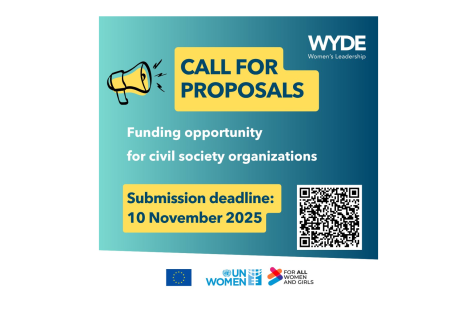
The WYDE | Women’s Leadership Initiative is a collaborative global effort aimed at advancing women’s full and effective political participation and decision-making at all levels, especially those most often left furthest behind.
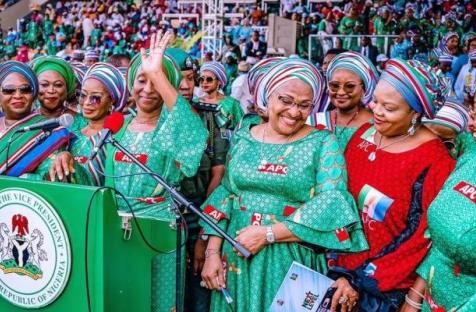
The advocacy for empowering women to participate more actively in politics and governance in Nigeria is gathering momentum once again, particularly as the country’s political discourse shifts increasingly towards the 2027 general elections.
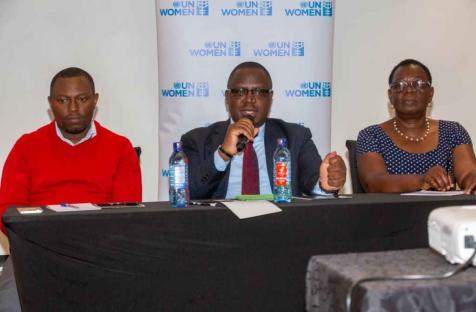
Some stakeholders in the North-east have identified mentorship and quota systems as critical factors that will increase women’s participation in politics.
The book on Malian women in politics, entitled Comment briser le plafond de verre?: Une recherche engagée sur la participation politique des femmes maliennes, has just been published by resear
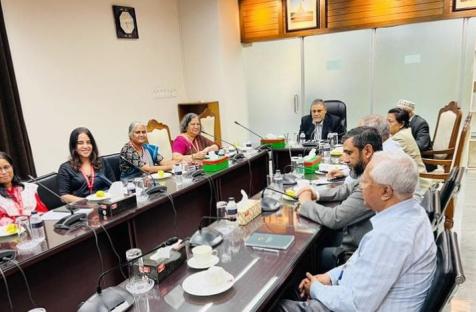
DHAKA, Sept 23, 2025 (BSS)- Narir Rajnoitik Odhikar Forum (NROF) today demanded that political parties must nominate 33 percent women candidates mandatorily outside the reserved seats in the 13th Jatiya Sangsad elections.