September 4, 2025
How Violating Women’s Rights in Afghanistan Worsens Life for All
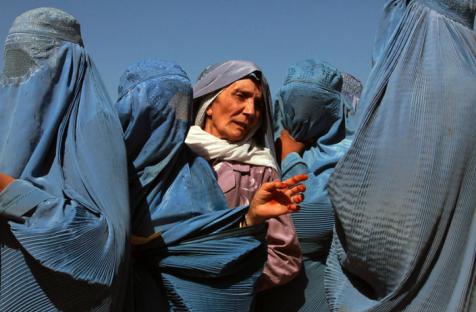
On August 15, 2021, the lives of the Afghan people underwent a stochastic lifestyle shift.
Advocacy and development are effective tools for gender advocates, male champions, civil society, and other stakeholders to hold leaders accountable to their commitments on concrete, measurable actions that guarantee women can fully and equally enjoy their rights. These include the ability to exercise freedom and choices, go to school, live free from violence, earn equal pay for equal work, and meaningfully engage in decision-making and political processes. Advocacy groups can collectively put pressure their leaders for legislative reforms to protect and promote women’s rights and concerns, which may require coalition-building, fundraising, civic education, awareness-raising and consensus-building on key issue platforms. Influencing legislation itself may require convince policy makers and legislators to address specific issues relevant to gender equality and women’s empowerment, which may involve introducing or revising legislation and policy.


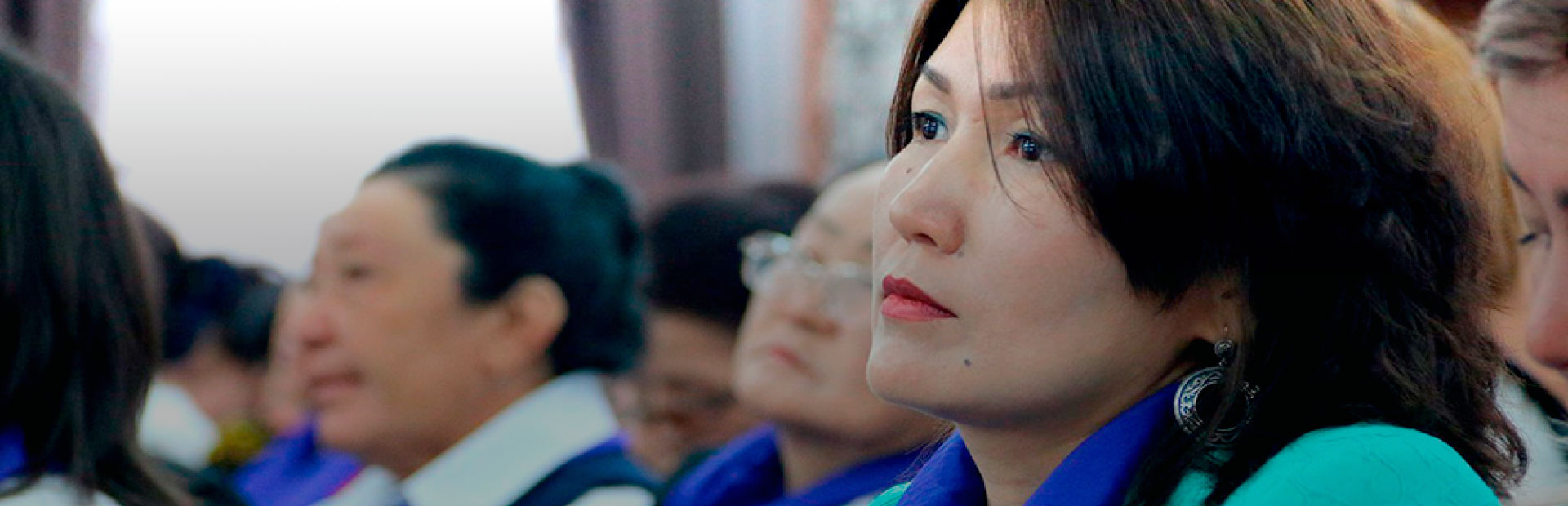
On August 15, 2021, the lives of the Afghan people underwent a stochastic lifestyle shift.
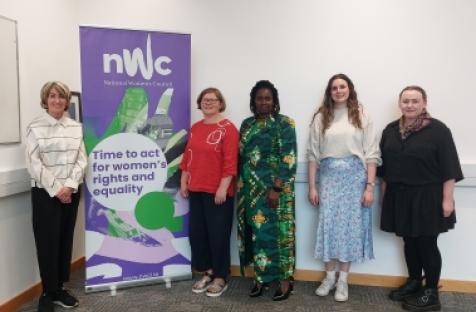
Women’s voices and experiences are crucial for the functioning of our democracy. Yet, despite many women’s roles as community leaders right across the island, they remain significantly underrepresented in our political system North and South.
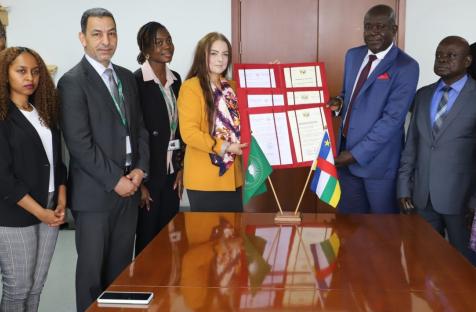
Reacting to the ratification of the Protocol to the African Charter on Human and Peoples’ Rights on the Rights of Women in Africa, (
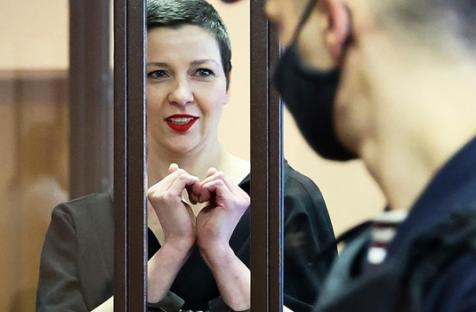
This year’s International Youth Day shines a spotlight on the extraordinary potential and pressing challenges facing young people—especially young women and girls—as they strive to
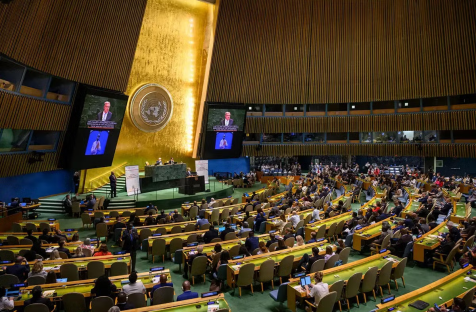
The empowerment of all women and girls was firmly upheld at the 2025 High-Level Political Forum (HLPF) – the United Nation’s central platform for reviewing progress on the Sustainable Development Goals – as world leade
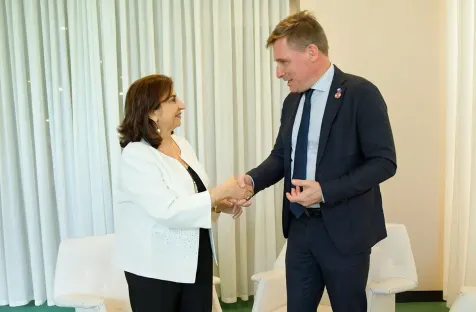
The Executive Director of the United Nations Entity for Gender Equality and the Empowerment of Women (UN Women) and the President of the European Economic and Social Committee (EESC) signed a pivotal Joint Declaration today on the sidelines of the High-Level Political F
This article by Mia Abeyawardene originally appeared on Groundviews, an award-winning citizen journalism website in Sri Lanka.
By Raby S. Diallo and Stéphanie Manguele