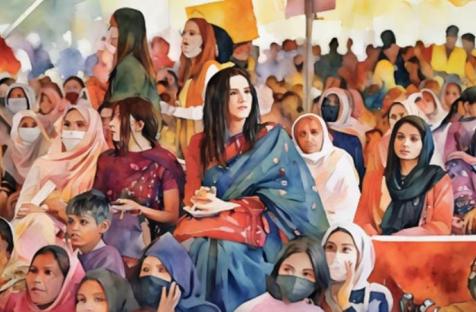
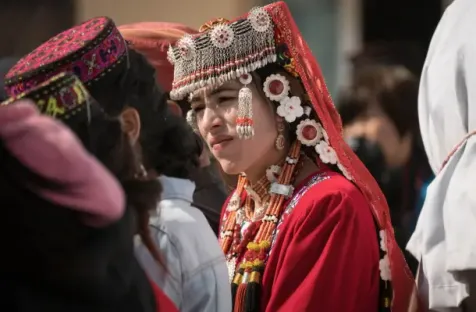
Throughout its history, Pakistan has grappled with enduring patriarchal norms and cultural customs that confine women to the domestic sphere, obstructing their engagement in broader societal roles.
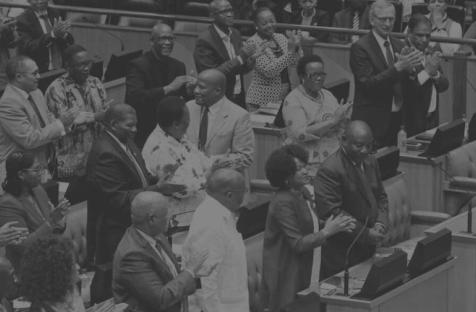
Advocacy and development are effective tools for gender advocates, male champions, civil society, and other stakeholders to hold leaders accountable to their commitments on concrete, measurable actions that guarantee women can fully and equally enjoy their rights. These include the ability to exercise freedom and choices, go to school, live free from violence, earn equal pay for equal work, and meaningfully engage in decision-making and political processes. Advocacy groups can collectively put pressure their leaders for legislative reforms to protect and promote women’s rights and concerns, which may require coalition-building, fundraising, civic education, awareness-raising and consensus-building on key issue platforms. Influencing legislation itself may require convince policy makers and legislators to address specific issues relevant to gender equality and women’s empowerment, which may involve introducing or revising legislation and policy.
Throughout its history, Pakistan has grappled with enduring patriarchal norms and cultural customs that confine women to the domestic sphere, obstructing their engagement in broader societal roles.
UNITED NATIONS 25 September 2024 (IDN) — The first eight months of 2024—described as a “super election year”—have seen limited progress in women’s representation in parliaments worldwide.
Afghan women earned the right to vote more than a century ago. Today, under Taliban rule, they are practically erased from public life and even banned from singing.
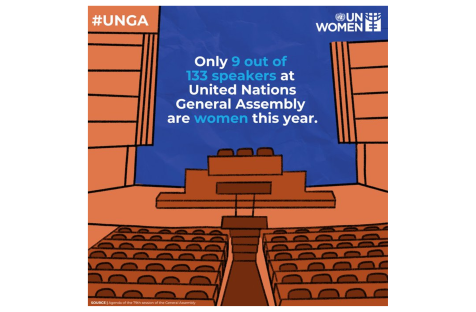
Remarks delivered by UN Women Executive Director Sima Bahous at the annual meeting of the UN General Assembly Platform of Women Leaders, during the high-level segment of the 79th session of the UN General Assembly, 24 September 2024.
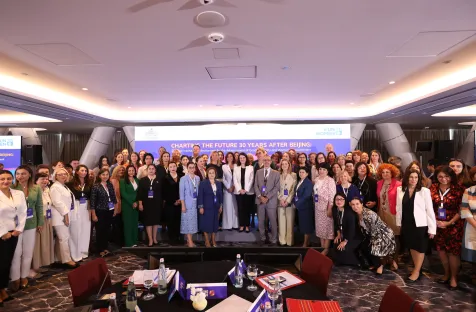
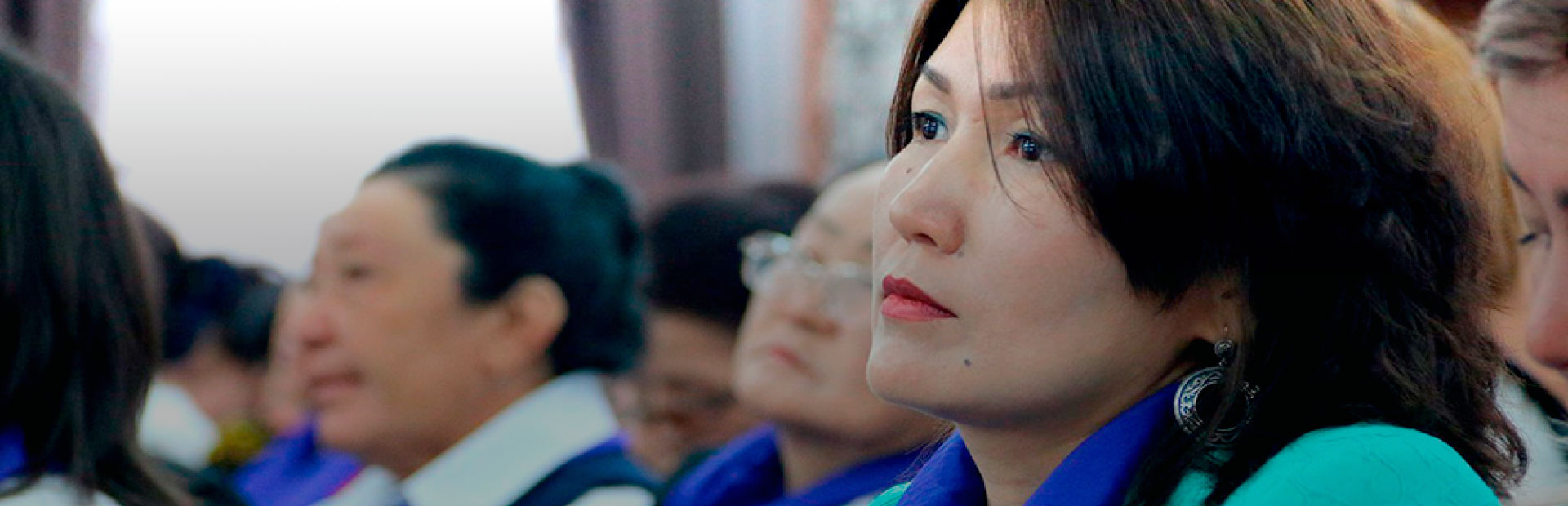
In a groundbreaking event, delegates from Europe and Central Asia committed to accelerating progress on gender equality and making the lives of women and girls across this region better.
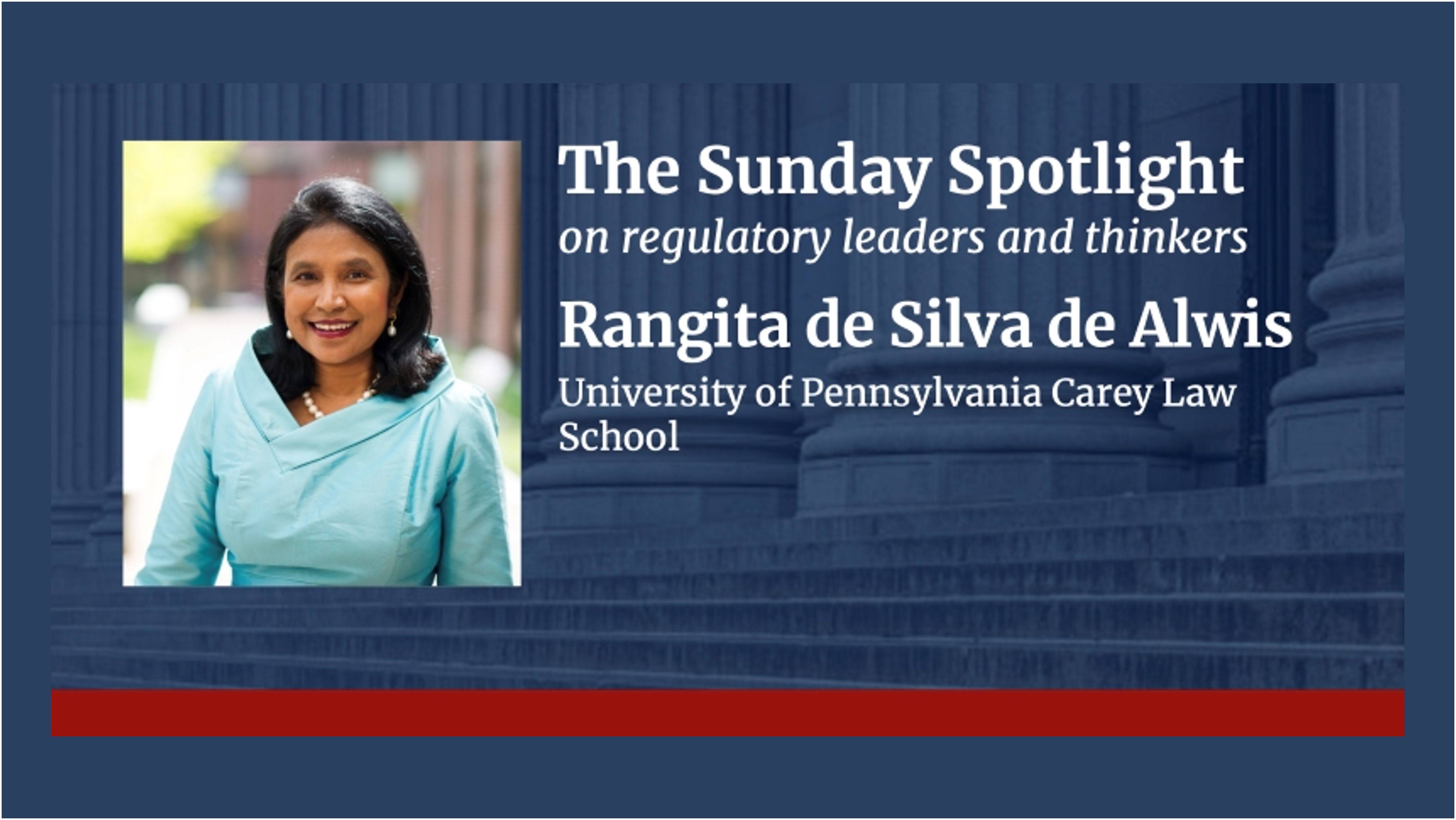
In a discussion with The Regulatory Review, globally recognized women’s human rights expert Rangita de Silva de Alwis offers her thoughts on the
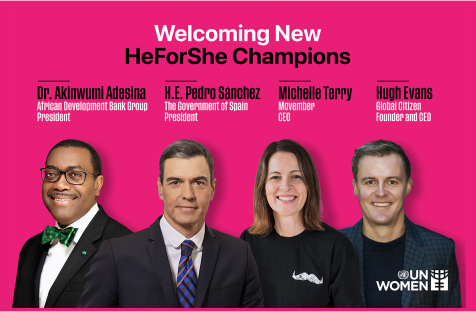
New York, 24 September 2024 - Since 2014, HeForShe has bolstered a global movement, engaging more than 2 million men and individuals of all genders in championing gender equality.
The Pact for the Future, set to be endorsed at the United Nations Summit of the Future on 22-23 September in New York, is a pivotal framework designed to address global challenges with a long-term vision extending beyond 2030.
What you need to know:
•The two-thirds gender rule, enshrined in Articles 27(8) and 81(b), remains unfulfilled.
What you need to know:
•The two-thirds gender rule, enshrined in Articles 27(8) and 81(b), remains unfulfilled.