Nigerian women and politics: beyond reverse discrimination
By Bolutife Oluwadele
Advocacy and development are effective tools for gender advocates, male champions, civil society, and other stakeholders to hold leaders accountable to their commitments on concrete, measurable actions that guarantee women can fully and equally enjoy their rights. These include the ability to exercise freedom and choices, go to school, live free from violence, earn equal pay for equal work, and meaningfully engage in decision-making and political processes. Advocacy groups can collectively put pressure their leaders for legislative reforms to protect and promote women’s rights and concerns, which may require coalition-building, fundraising, civic education, awareness-raising and consensus-building on key issue platforms. Influencing legislation itself may require convince policy makers and legislators to address specific issues relevant to gender equality and women’s empowerment, which may involve introducing or revising legislation and policy.
By Bolutife Oluwadele
Civil society activists have demanded political parties to award tickets to women aspirants for the local government elections to bring them into the national mainstream.
By Stella Creasy
Any parent of a newborn knows it’s hard to stay awake, let alone focus on anything else. Maternity leave matters – it’s good for our health, our children and our economy.
By Stella Creasy
Any parent of a newborn knows it’s hard to stay awake, let alone focus on anything else. Maternity leave matters – it’s good for our health, our children and our economy.
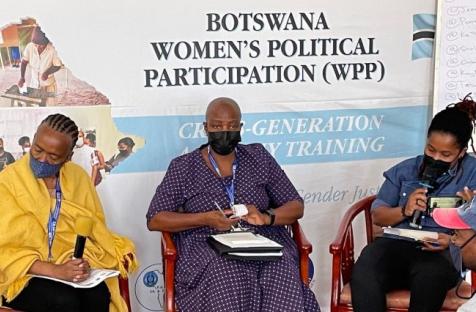
Women from across the political spectrum are calling on President Mokgweetsi Eric Masisi to appoint an equal number of women and men to the Constitutional Review Commission.
It is important for citizens to be given enabling structures to enable civil organisation and participation. This will, in turn, aid the creation of progressive institutional structures.
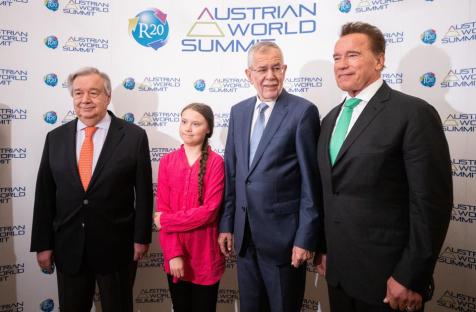
When the global face to climate action is Greta Thunberg, it can appear that women and girls are well represented at the top table. As the U.K.
A two-day forum in Somalia that brought together women, the youth, academics, women’s rights activists and political experts concluded deliberations on Wednesday with a call for 30 percent women quota in political representation to be guaranteed.