Her Majesty Queen Rania on Monday urged greater support for education in conflict zones, and called for forging partnerships among girls and women around the world t
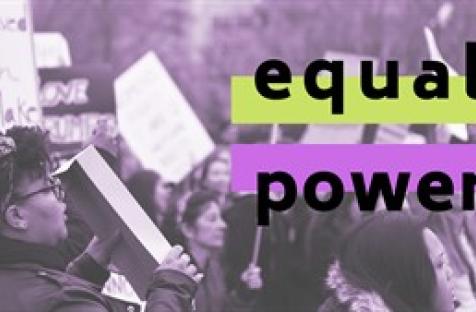
Advocacy and lobbying are effective tools for gender advocates, male champions, civil society, and other stakeholders to hold leaders accountable to their commitments on concrete, measurable actions that guarantee women can fully and equally enjoy their rights. These include the ability to exercise freedom and choices, go to school, live free from violence, earn equal pay for equal work, and meaningfully engage in decision-making and political processes. Advocacy groups can collectively put pressure their leaders for legislative reforms to protect and promote women’s rights and concerns, which may require coalition-building, fundraising, civic education, awareness-raising and consensus-building on key issue platforms. Influencing legislation itself may require lobbying to convince policy makers and legislators to address specific issues relevant to gender equality and women’s empowerment, which may involve introducing or revising legislation and policy.
Her Majesty Queen Rania on Monday urged greater support for education in conflict zones, and called for forging partnerships among girls and women around the world t
Dance like nobody is watching, sing like nobody is listening and email like it will be read out in court.
Abu Chiad boasted about beheading infidels, raping women and children and slaughtering in the name of Islam.
The constitution-building process p
The report’s chapters were built in
After Amira’s husband was killed in the Syrian war, she found herself adrift in Lebanon.
The UN Working Group on the issue of discrimination against women in law and practice (WGDAW) was created by the Human Rights Council in 2010, and consists of five independent expert members from different regions of the world.&nbs