
April 17, 2026
Why we need more women’s representation in politics
As it stands, women only account for 13% of Malaysia’s parliamentarians, despite making up 50% of Malaysia’s overall population.
Advocacy and development are effective tools for gender advocates, male champions, civil society, and other stakeholders to hold leaders accountable to their commitments on concrete, measurable actions that guarantee women can fully and equally enjoy their rights. These include the ability to exercise freedom and choices, go to school, live free from violence, earn equal pay for equal work, and meaningfully engage in decision-making and political processes. Advocacy groups can collectively put pressure their leaders for legislative reforms to protect and promote women’s rights and concerns, which may require coalition-building, fundraising, civic education, awareness-raising and consensus-building on key issue platforms. Influencing legislation itself may require convince policy makers and legislators to address specific issues relevant to gender equality and women’s empowerment, which may involve introducing or revising legislation and policy.


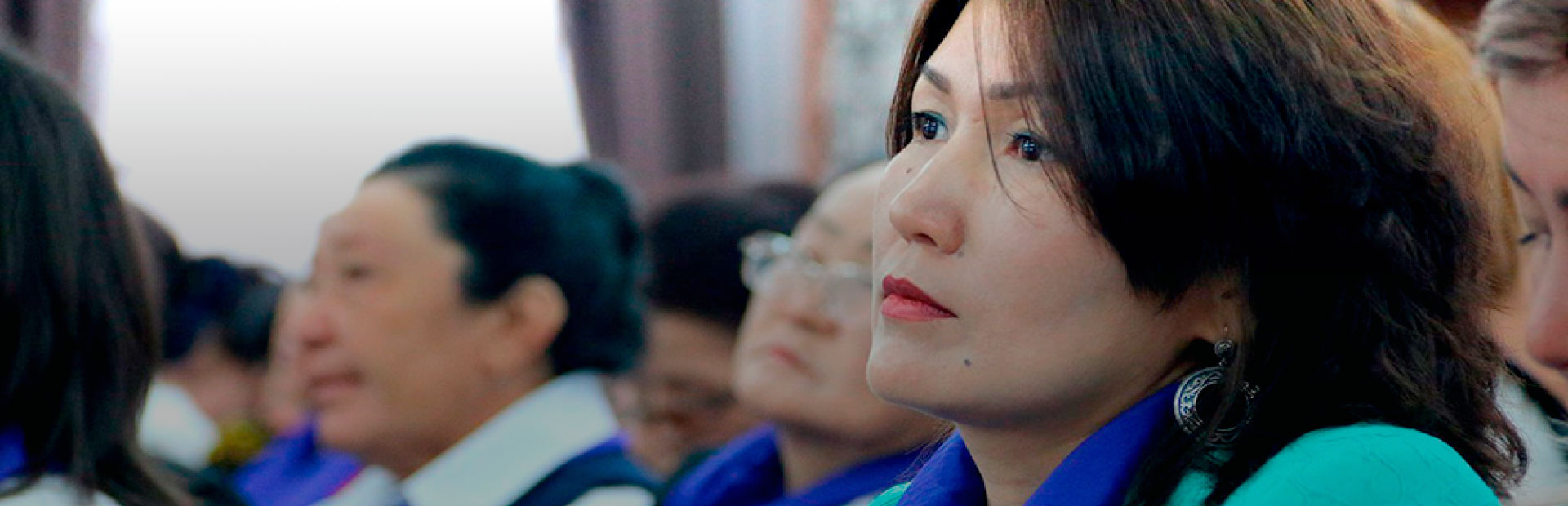
As it stands, women only account for 13% of Malaysia’s parliamentarians, despite making up 50% of Malaysia’s overall population.

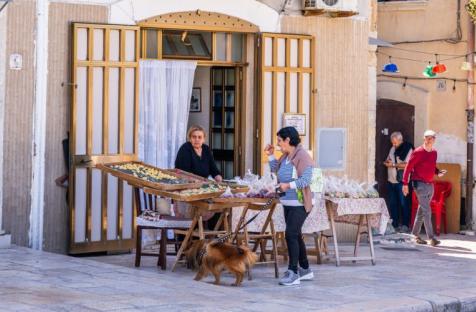
Across the globe, deliberate illiberal strategies that exploit entrenched gender inequality are increasingly being used to weaken democratic institutions from within. The dismantling of the U.S.
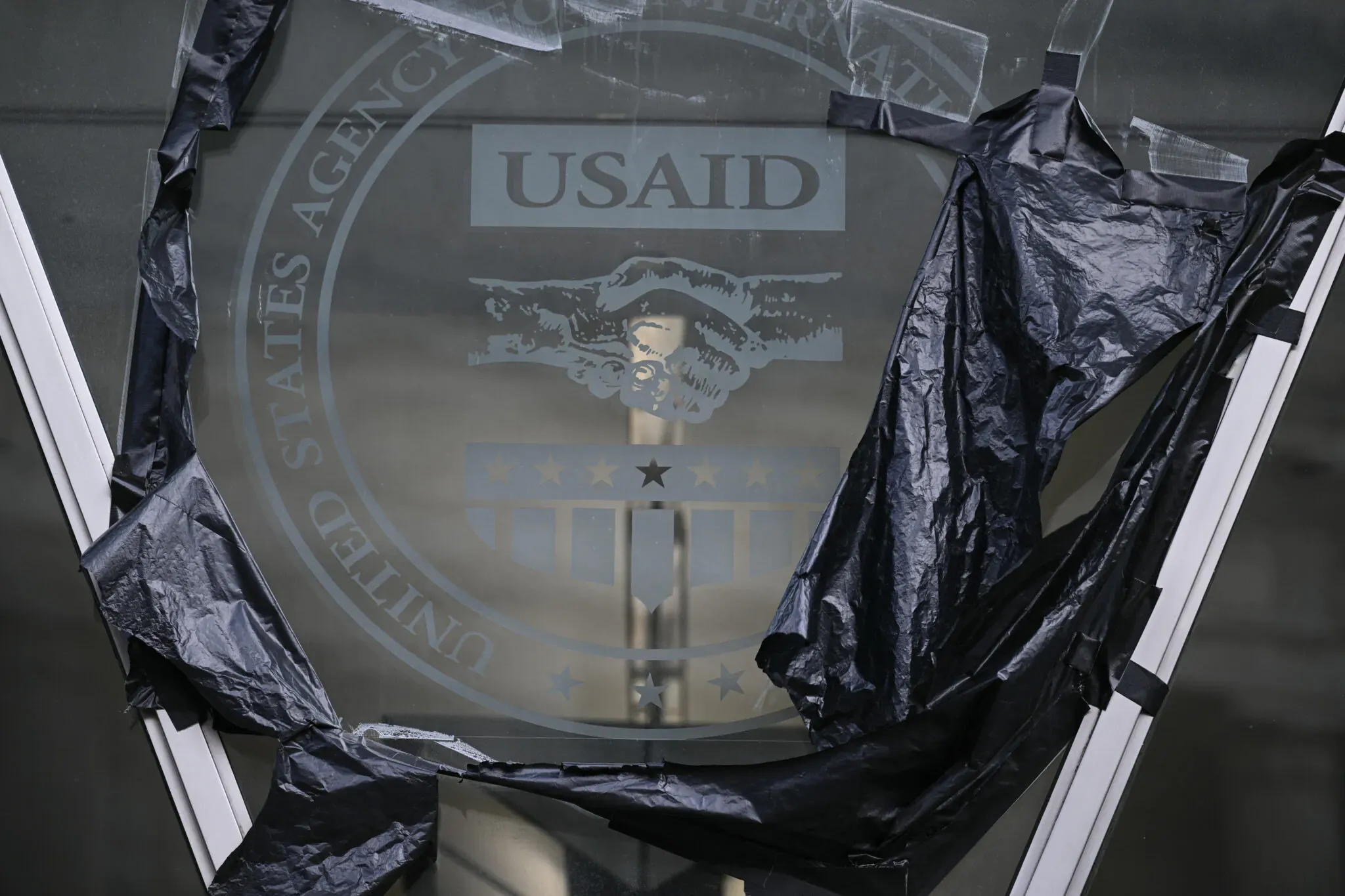
Across the globe, deliberate illiberal strategies that exploit entrenched gender inequality are increasingly being used to weaken democratic institutions from within. The dismantling of the U.S.
Today, the European Commission is presenting its new Gender Equality Strategy for 2026 to 2030.
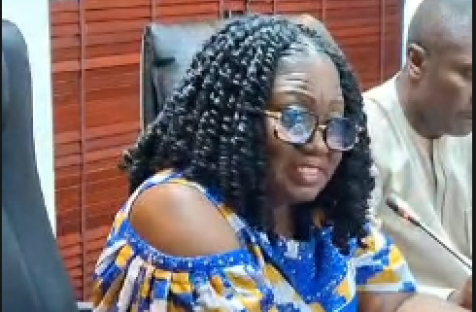
The Deputy Minority Leader, Patricia Appiagyei, has called on young women, particularly students, to actively participate in politics and take up leadership positions.
Since Tunisia’s 2011 revolution, digital platforms have become central to political participation in the country, enabling female politicians, elections candidates, activists and public figures to mobilise communities and shape public debate.However, this visibility has
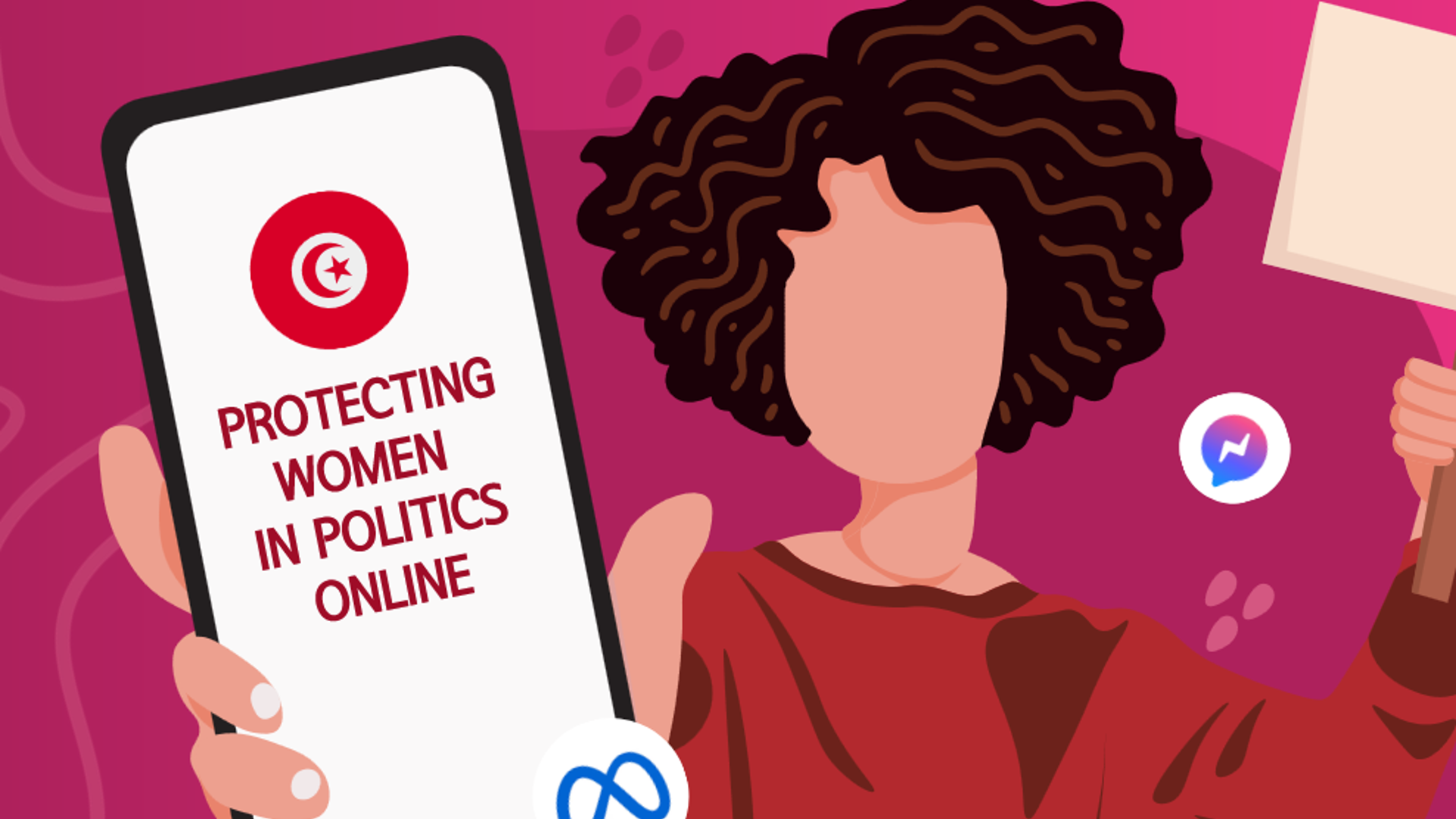
Since Tunisia’s 2011 revolution, digital platforms have become central to political participation in the country, enabling female politicians, elections candidates, activists and public figures to mobilise communities and shape public debate.However, this visibility has
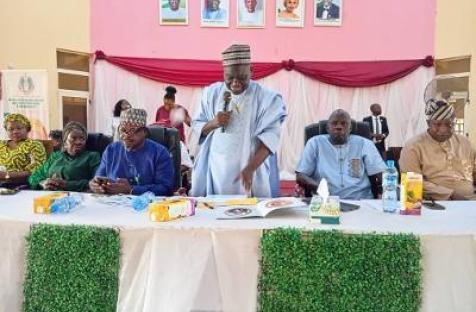
The Director-General of the Michael Imoudu National Institute for Labour Studies, Issa Aremu, has called for deliberate constitutional and policy reforms that would increase women’s representation in governance, including the creation of special seats for women in Nigeria’s National Assem
Discrimination in the workplace. Difficult choices between career and family responsibilities. Online harassment. Across Europe, many women experience inequality in their everyday lives.