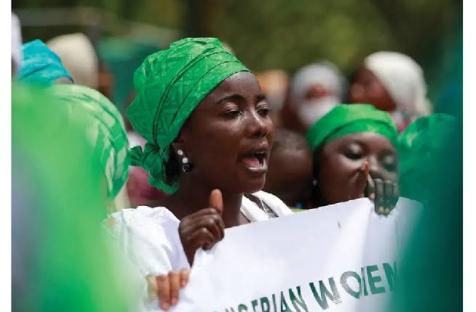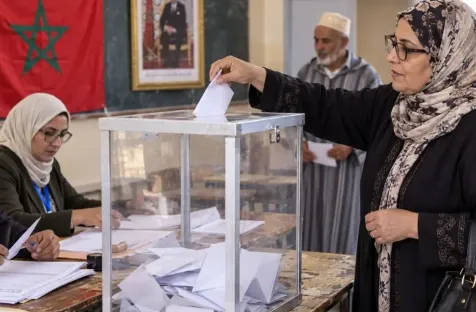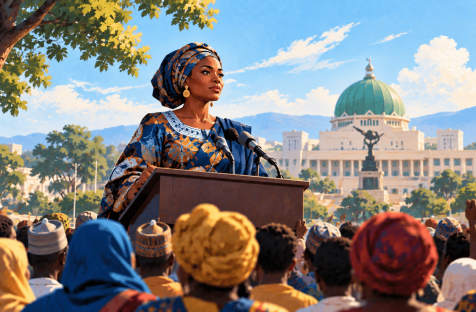
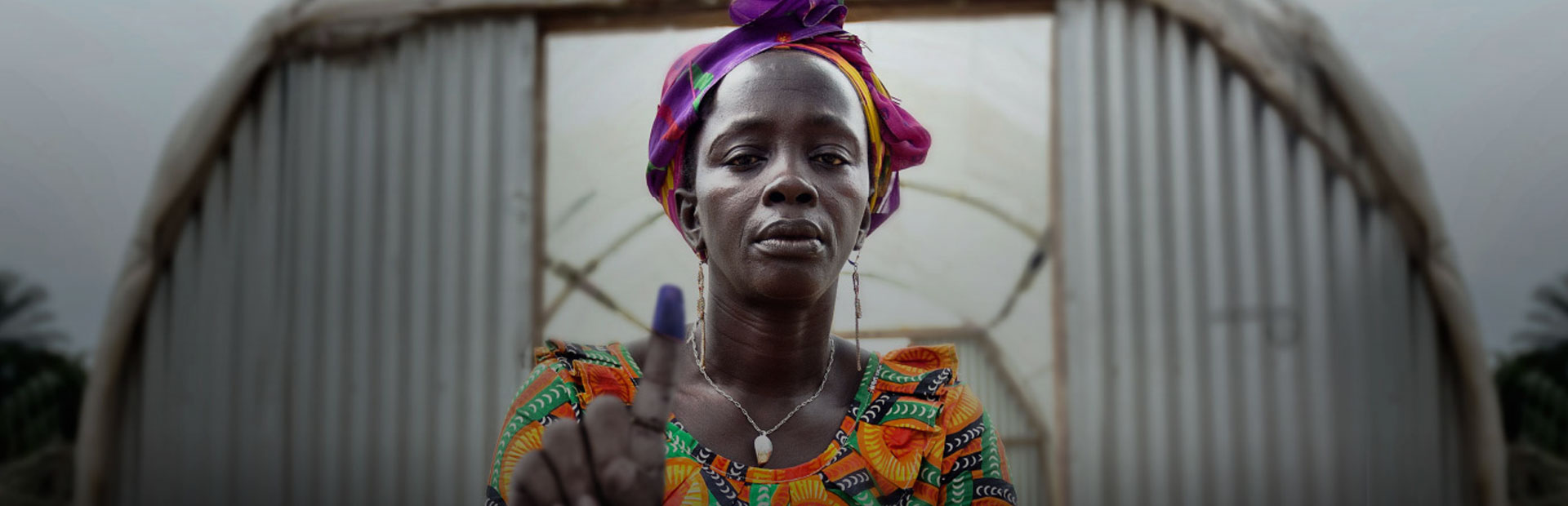
During Nigeria’s election cycles, a particular kind of misinformation circulates alongside the usual false claims about candidates and voting procedures.
Elections
Women’s political participation in electoral processes requires targeted support to overcome gender discrimination. Key strategies for enhancing gender balance in electoral processes include: working with political parties to promote gender sensitive policies and practices to foster women’s leadership; targeted outreach and support for women to register to vote and safely access polling stations; guarantee of protection from election related violence and harassment; the use of quotas and temporary special measures to increase women’s representation; effective technical and financial support to women candidates and political leaders; and engagement of male champions for women’s empowerment and gender equality.
KATHMANDU, Jan 22: Amid the buzz of election fever in the chilly January air, candidates for the House of Representatives (HoR) election on March 5 have been enthusiastically filing their nominations.
13th parliamentary polls: Fewer women candidates, parties contravene commitments
Political parties were failing to reach a consensus on increasing women’s representation in parliament during discussions with the National Consensus Commission. At one stage, a proposal to nominate at least 5 per cent women candidates was tabled, to which most parties agreed.
How patriarchy continues to limit women’s political role
Women were at the forefront of the July 2024 uprising, but in the subsequently formed political structures, insecurity and social backlash gradually pushed them aside.
Despite decades of pledges to ensure women’s political empowerment, the upcoming national election paints a starkly different picture, with female representation on the ballot remaining alarmingly low.
A 2025 Democracy International poll shows strong public demand in Bangladesh for greater political inclusion, with 96% supporting participation of persons with disabilities, 85% calling for better ethnic minority representation, and 81% backing stronger involvement of r
Human Rights Watch (HRW) has raised alarms over an increase in violence targeting women, children, and religious minorities in Bangladesh as the country prepares for the 13th National Parliamentary Elections scheduled for February 12.
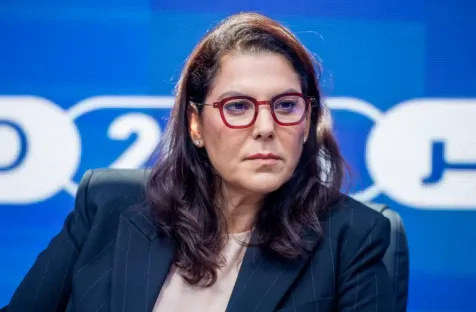
This week, the Minister of Solidarity, Social Integration and Family, Naïma Ben Yahya, announced the launch of a national campaign to raise awareness about women’s political participation.
Pagination
- Page 1
- Next page