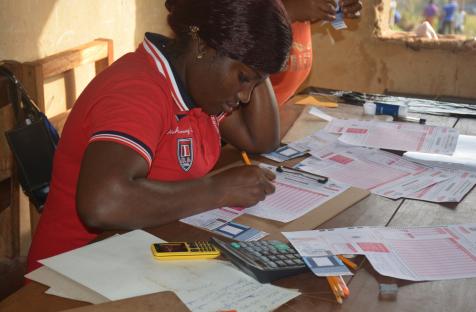
June 13, 2017
More than two million Liberians register to vote, almost half are women
Approximately 2.1 million Liberians
Women’s political participation in electoral processes requires targeted support to overcome gender discrimination. Key strategies for enhancing gender balance in electoral processes include: working with political parties to promote gender sensitive policies and practices to foster women’s leadership; targeted outreach and support for women to register to vote and safely access polling stations; guarantee of protection from election related violence and harassment; the use of quotas and temporary special measures to increase women’s representation; effective technical and financial support to women candidates and political leaders; and engagement of male champions for women’s empowerment and gender equality.
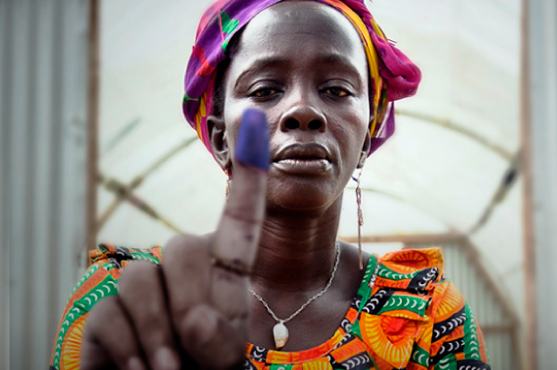


Approximately 2.1 million Liberians
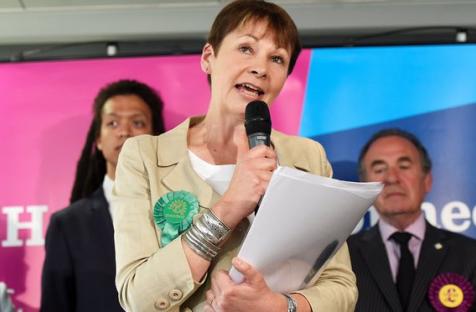
More than 200 women have be
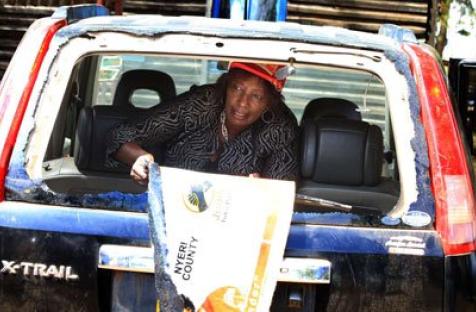
The political arena in the country
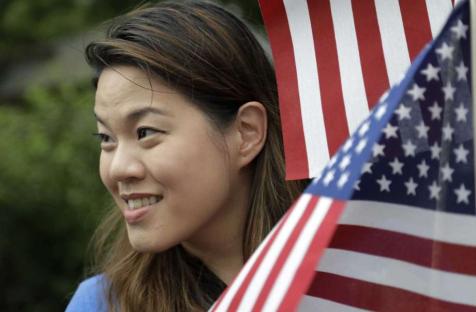
Christine Lui Chen, a 36-year-old h
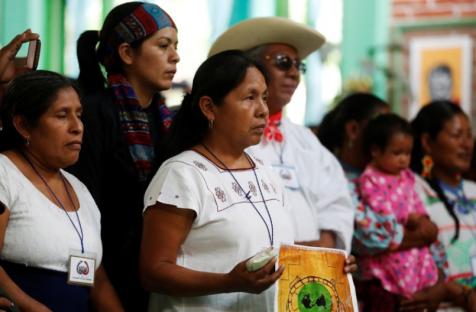
MEXICO CITY — Mexico will hold

Historically, snap election
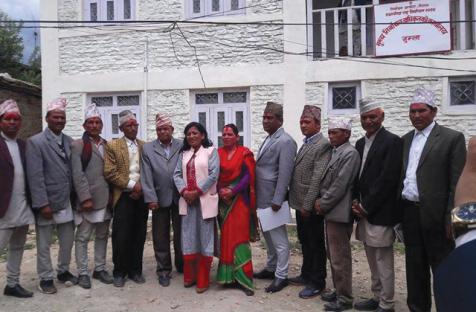
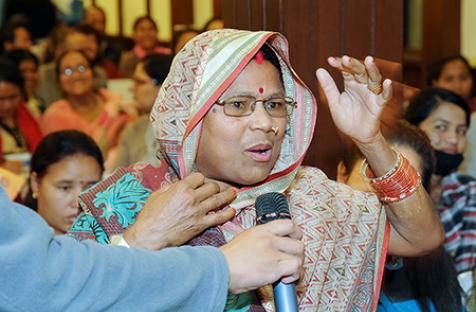
Nepal
The methodology for incorporating a

The methodology for incorporating a