August 14, 2026
Youth leaders urge peers to reject political violence ahead of 2027 polls
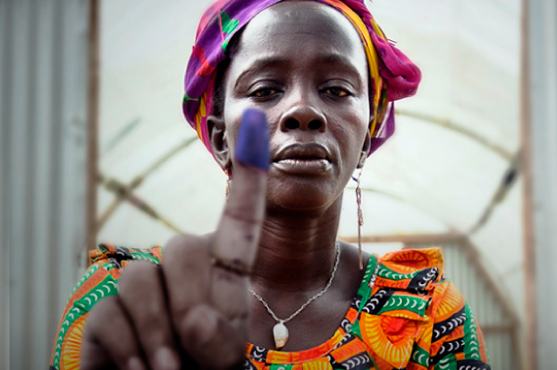
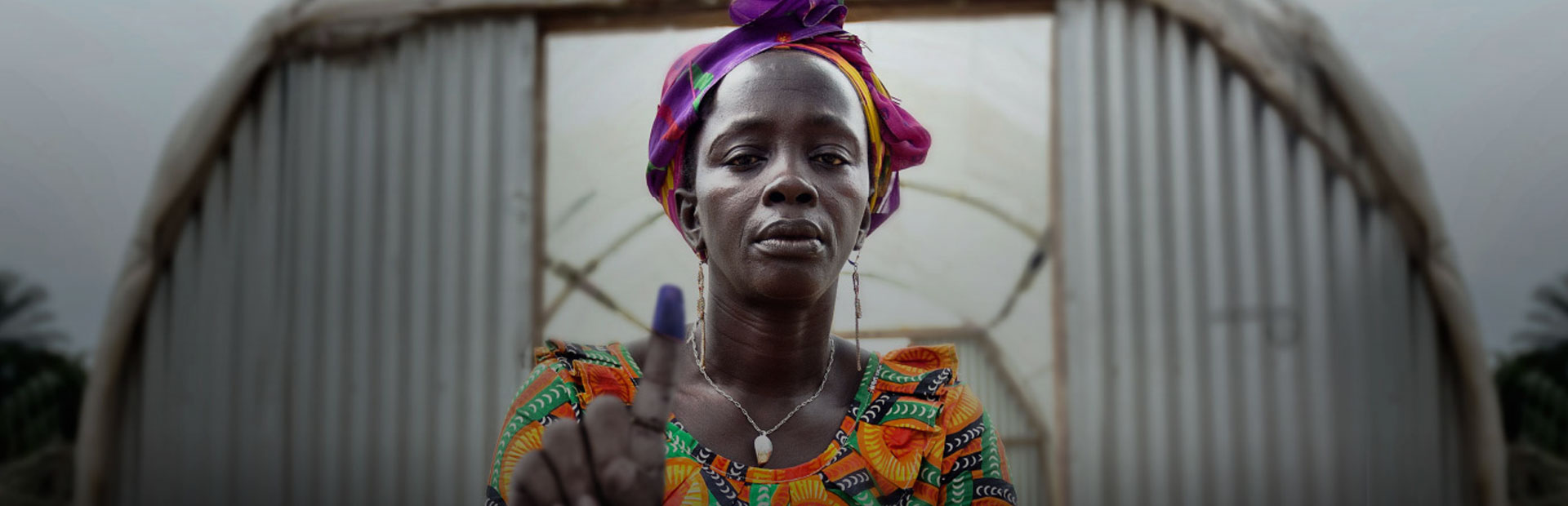
Women’s political participation in electoral processes requires targeted support to overcome gender discrimination. Key strategies for enhancing gender balance in electoral processes include: working with political parties to promote gender sensitive policies and practices to foster women’s leadership; targeted outreach and support for women to register to vote and safely access polling stations; guarantee of protection from election related violence and harassment; the use of quotas and temporary special measures to increase women’s representation; effective technical and financial support to women candidates and political leaders; and engagement of male champions for women’s empowerment and gender equality.

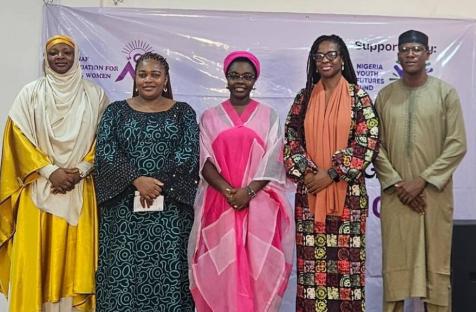
Stakeholders have called for greater political participation and representation of young women, saying Nigeria’s democracy cannot thrive if half of its population remains largely excluded from decision-making positions.
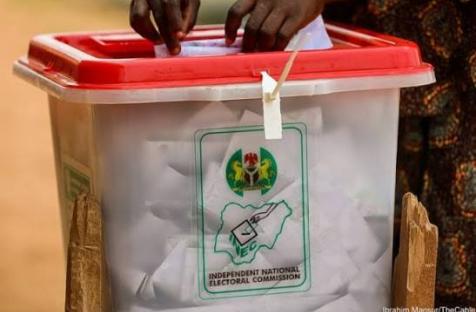
A coalition of women-focused civil society organisations (CSOs) says more needs to be done to reverse the decline in female political participation in Nigeria.
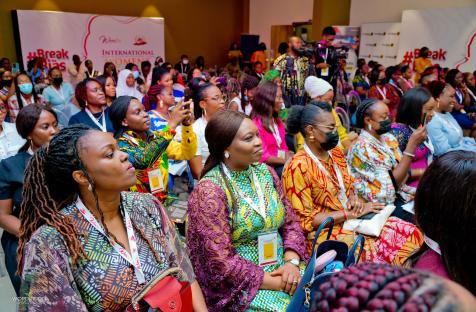
A post-primary audit of political parties ahead of the 2027 general elections has found that loopholes in the Electoral Act, costly nomination forms, consensus arrangements and money politics are limiting women’s participation and chances of emerging as candidates.
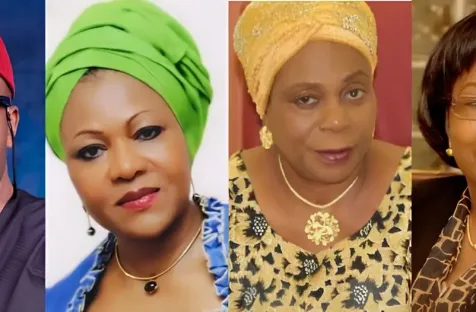
It’s a familiar pattern in the campaign for gender inclusion in Nigerian politics: a major reform proposal gathers momentum, draws public support, and then quietly stalls.
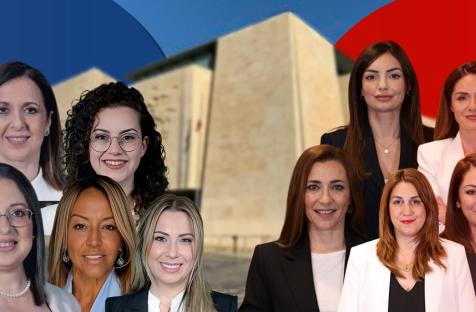
10 women MPs, five on behalf of the Labour Party and five on behalf of the Nationalist Party, have been elected in the 2026 general election.
Alicia Bugeja Said, Rosianne Cutajar, Miriam Dalli, Julia Farrugia and Alison Zerafa Civelli have been elected for the Labour Party.
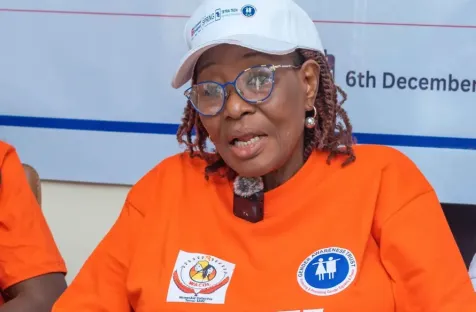
As Nigeria prepares for another electoral cycle ahead of the 2027 general elections, concerns over political violence, voter intimidation, and electoral insecurity continue to dominate national conversations.

Croatia’s track-record on gender equality in science has been both questioned and lauded in recent months, following both bad and good news on the topic. On the one hand, a senior awards committee was announced without a single woman researcher included.
As Nigeria’s political season gathers momentum, women are steadily losing ground in governance, raising urgent questions about democracy, representation, and whether Africa’s largest country is deliberately silencing half its population, writes Adedayo Adejobi