Elections

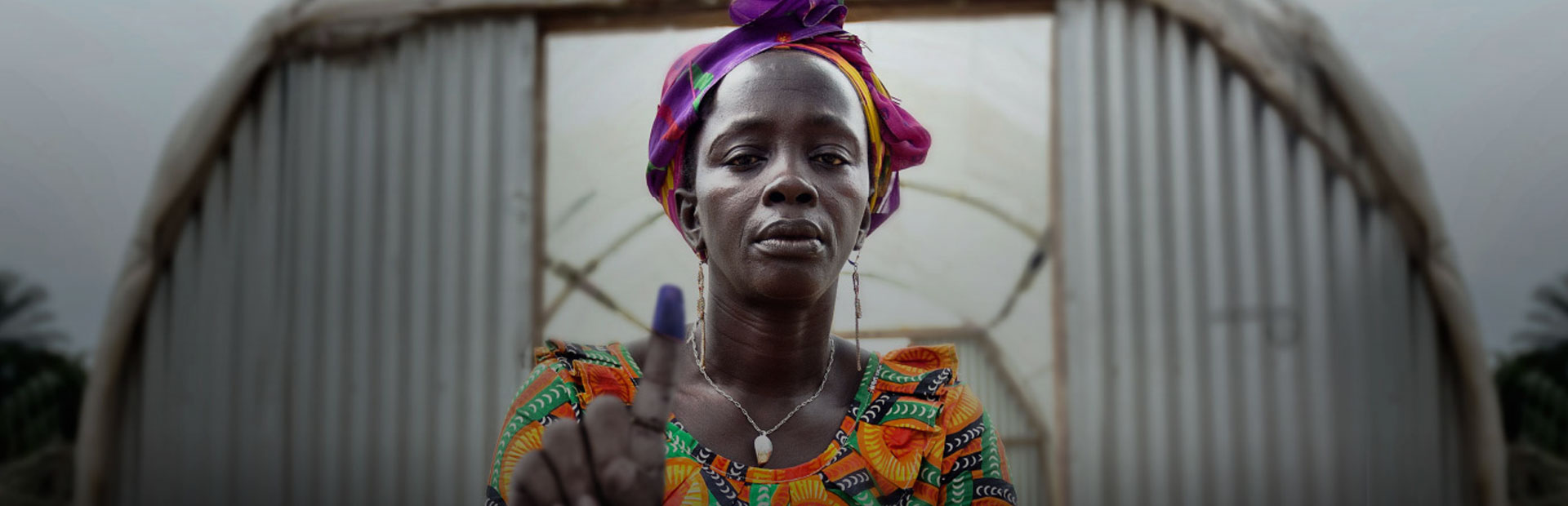
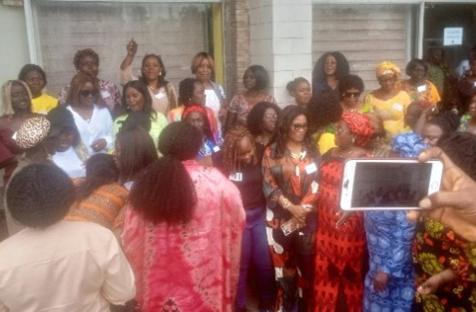
Women’s political participation in electoral processes requires targeted support to overcome gender discrimination. Key strategies for enhancing gender balance in electoral processes include: working with political parties to promote gender sensitive policies and practices to foster women’s leadership; targeted outreach and support for women to register to vote and safely access polling stations; guarantee of protection from election related violence and harassment; the use of quotas and temporary special measures to increase women’s representation; effective technical and financial support to women candidates and political leaders; and engagement of male champions for women’s empowerment and gender equality.

Show on Home Page
Yes
Image
Icon
Banner Image

Only 5% of Nigeria’s lawmakers are women. It’s about to get worse

Back
October 24, 2022

Only 5% of Nigeria’s lawmakers are women. It’s about to get worse

Nigeria’s two dominant parties, ACP and PDP, have less than 6 per cent of their parliamentary candidates as women.

Nigeria’s two dominant parties, ACP and PDP, have less than 6 per cent of their parliamentary candidates as women.

Slovenia may have its first female president following this month's elections to fill the post. [EPA/ANTONIO BAT]
October 20, 2022
Slovenia’s presidential elections could return first female head of state

Polls predict that an independent candidate supported by the Pirates and Greens is likely to win the run-off against right-wing and ruling party-backed hopefuls to become Slovenia’s first female president.

October 18, 2022
Vanuatu goes to polls by air, sea and road in snap election after lightning campaign

First-time candidates vie with incumbents for 52 seats after government dissolved ‘Red Roof’ parliament to ward off no-confidence vote.

A view of the ballot box for the presidential election which is placed on a table at the parliament in Lebanon, Beirut, on September 28, 2022. [Houssam Shbaro - Anadolu Agency]
October 18, 2022
Female candidates for the Lebanese presidential elections: indications and their chances of winning

Lebanese women are still excluded from the main decision-making positions in Lebanon, such as the presidency of the Republic, premiership and parliament speaker, despite their prominent presence in the human rights and diplomatic fields, and

October 18, 2022
Two female candidates nominated in Kazakhstan’s presidential elections for first time

ASTANA – Human rights activist Saltanat Tursynbekova was nominated to run for the presidency by Qazaq analary – dasturge zhol (Kazakh mothers are a path to traditions) public association on Oct. 11, reported the association’s press services.

Women powered Democrats in the 2018 midterms. Will they again in 2022?

Back
October 17, 2022

Women powered Democrats in the 2018 midterms. Will they again in 2022?

ARVADA, Colo. — Not long after the Supreme Court ended the constitutional right to abortion, Robin Kupernik and Elizabeta Stacishin met for lunch and then went for a walk through the Denver Botanic Gardens. “We were both angry,” Kupernik later recalled.

ARVADA, Colo. — Not long after the Supreme Court ended the constitutional right to abortion, Robin Kupernik and Elizabeta Stacishin met for lunch and then went for a walk through the Denver Botanic Gardens. “We were both angry,” Kupernik later recalled.

October 13, 2022
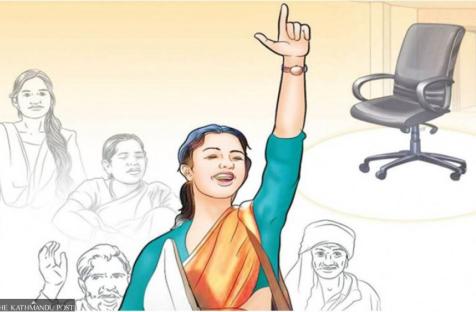
Nepal: Major political parties fall short to ensure gender parity in politics

Almost all political parties have an extremely lower ratio of women to men candidates fielded under the first-past-the-post category in the upcoming elections.

October 7, 2022
US: Where women of color stand post-primaries

Of the 259 women nominated in House primaries this year, 43 percent are women of color — the highest percentage for the demographic in recent cycles.

Brazil’s ghost candidates: How politicians abuse a law meant to encourage women in politics

Back
October 6, 2022

Brazil’s ghost candidates: How politicians abuse a law meant to encourage women in politics

Despite being 53% of eligible voters, participation of women in Brazilian politics is still much lower compared to men.

Despite being 53% of eligible voters, participation of women in Brazilian politics is still much lower compared to men.