Elections
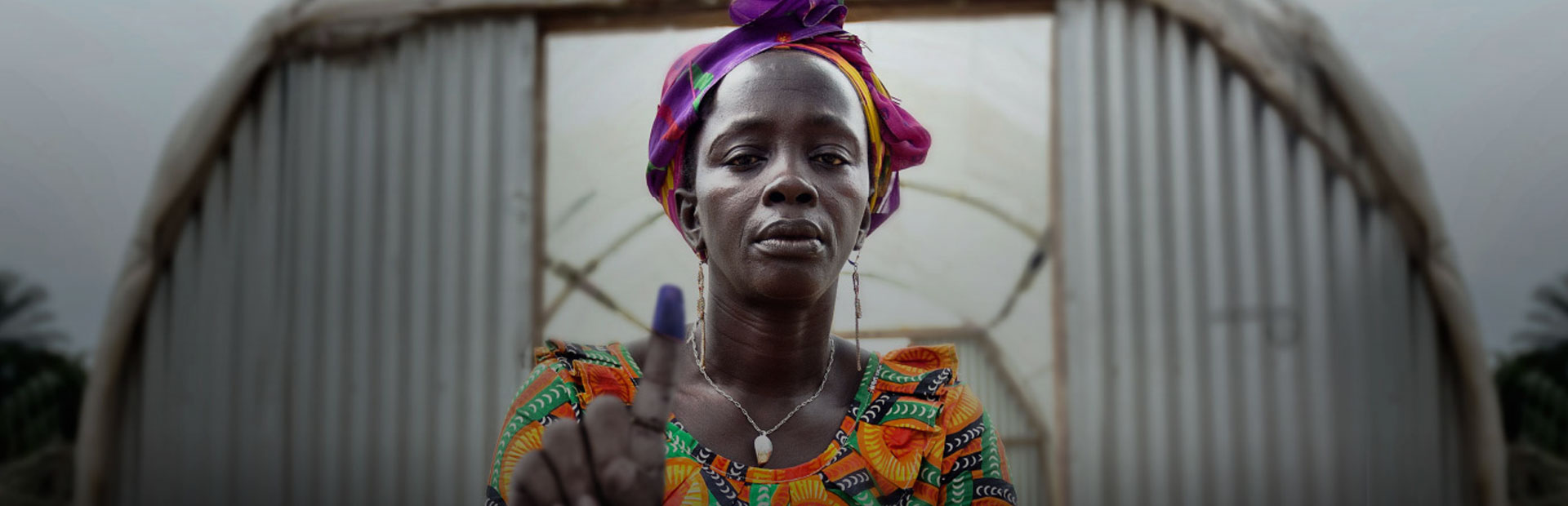
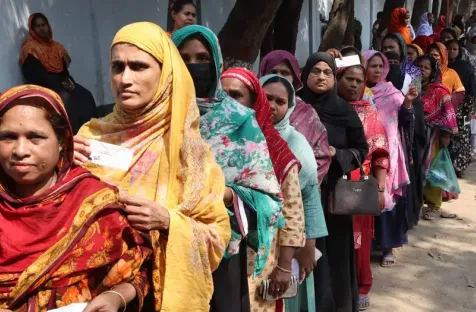
Women’s political participation in electoral processes requires targeted support to overcome gender discrimination. Key strategies for enhancing gender balance in electoral processes include: working with political parties to promote gender sensitive policies and practices to foster women’s leadership; targeted outreach and support for women to register to vote and safely access polling stations; guarantee of protection from election related violence and harassment; the use of quotas and temporary special measures to increase women’s representation; effective technical and financial support to women candidates and political leaders; and engagement of male champions for women’s empowerment and gender equality.
BOSTON (WWLP) – The League of Women Voters convenes on Beacon Hill each year to advocate for their priority legislation.
Seventy-three women are among 252 candidates registered to run for parliament in Kirkuk province, the Independent High Electoral Commission (IHEC) declared on Wednesday.
Several motions proposed by women and presented to the Tonga Legislative Assembly were met with resistance and disparaging questioning from the House, during its final sitting for the year.
ElectHER, a pan-African non-partisan organisation advancing gender-inclusive democracy, has concluded a two-day engagement in Anambra State combining a multi-stakeholder
In the 9th Assembly, a constitutional amendment bill to create special or reserve seats for women in parliament failed to see the light of day as both the Senate and the House of Representatives failed to vote positively for the bill.
Polls and pundits have offered up plenty of predictions, but in a democracy, voting rules.
For much of her political life, Simone Gbagbo has been known as the combative partner of Côte d’Ivoire’s former president, Laurent Gbagbo. Her sharp rhetoric earned her the nickname “The Iron Lady.” Now, the onetime first lady is charting her own course.
Pagination
- Previous page
- Page 6
- Next page