Hope for women in Fiji's 2022/2023 general election
Some of the countries in the Melanesian region has a low percentage of women in the Parliament when compared to the global average.
Women’s political participation in electoral processes requires targeted support to overcome gender discrimination. Key strategies for enhancing gender balance in electoral processes include: working with political parties to promote gender sensitive policies and practices to foster women’s leadership; targeted outreach and support for women to register to vote and safely access polling stations; guarantee of protection from election related violence and harassment; the use of quotas and temporary special measures to increase women’s representation; effective technical and financial support to women candidates and political leaders; and engagement of male champions for women’s empowerment and gender equality.
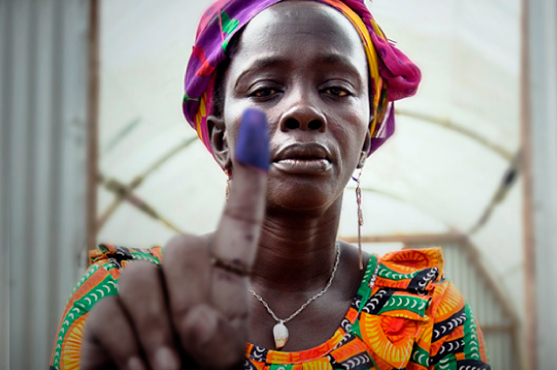

Some of the countries in the Melanesian region has a low percentage of women in the Parliament when compared to the global average.

New Gallup polling data shows 7.1 percent of the U.S. population identifies as LGBTQ – up from 5.6 percent in 2020.
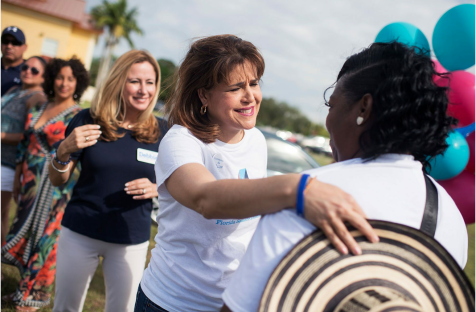
At least a thousand men have been governor of a U.S. state; just 45 women have, and only two of them Latinas. This year, their presence on primary ballots is making a difference.
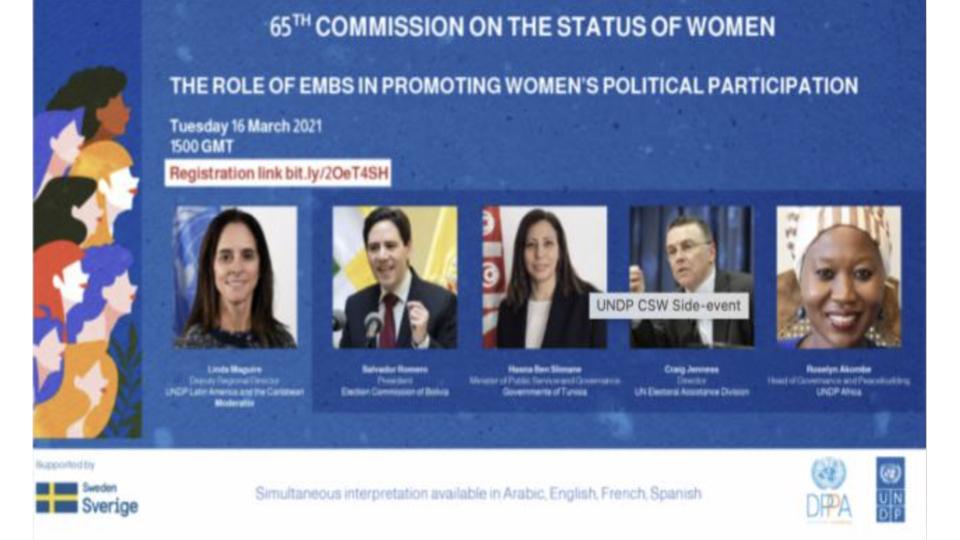
This webinar, co-organized by UNDP and the Electoral Assistance Division of the United Nations Department of Political and Peacebuilding Affairs, aimed at raising awareness on the status of women’s political participation and showcasing the efforts of EMBs in tackling

President Uhuru Kenyatta’s inaction on former Chief Justice David Maraga’s September 2020 recommendation to dissolve Parliament for failure to enact gender parity laws is the latest bump in the long road to equality for Kenyan women in political leadership.
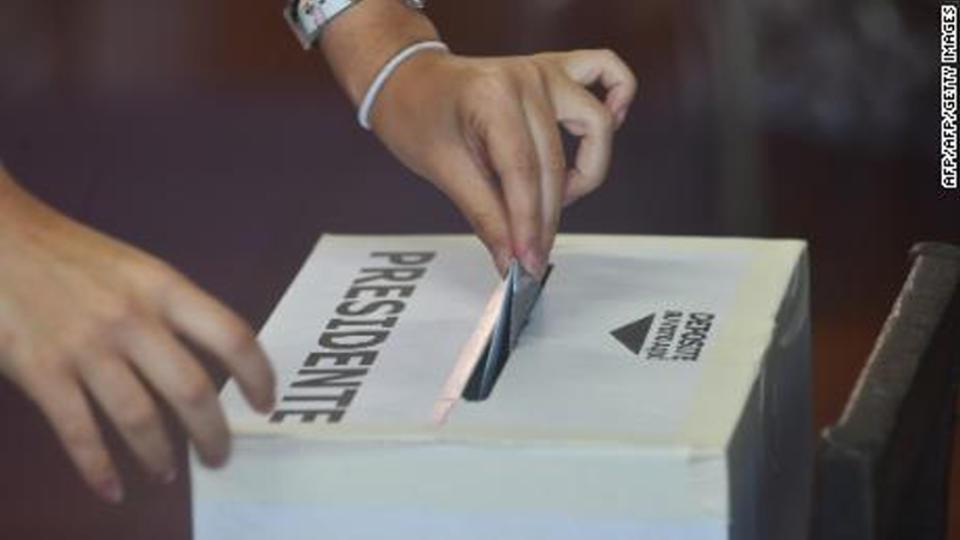
According to CIEP data, by the end of January, most of the undecided lived in the central valley and were women.
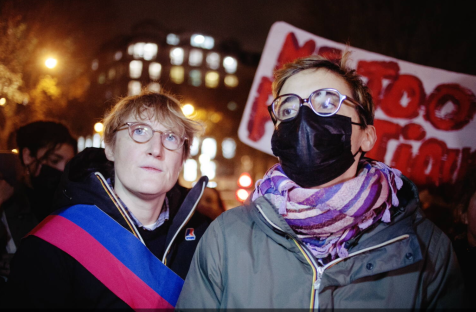
The presidential campaign in sight. To fight against physical and psychological violence against women, the feminists behind the #MeTooPolitique movement announced on Monday February 21 the launch of an observatory on gender-based and sexual violence.

Female aspirants seeking elective seats in the 2022 General Election have adopted varying strategies to woo voters.

As the 2022 midterm election season gets underway, speculation is already mounting that it’s going to be another banner year for female