Gender Stereotypes, Political Leadership, and Voting Behavior in Tunisia
Abstract
Abstract
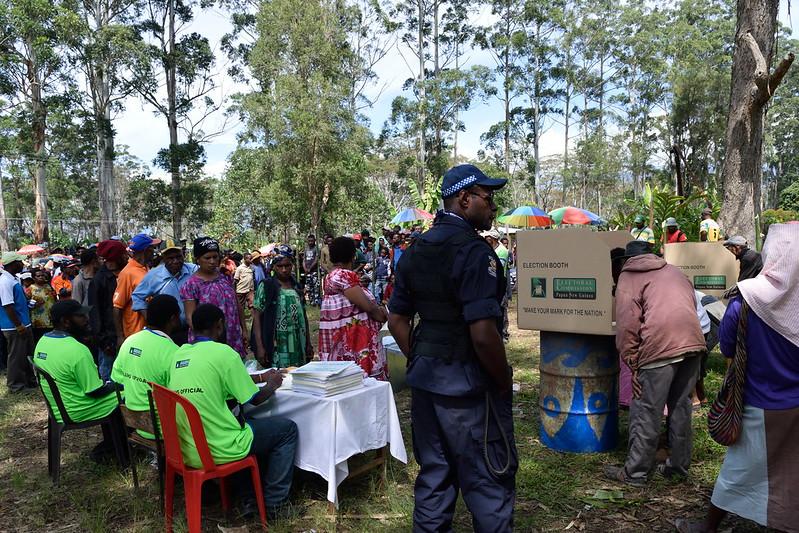
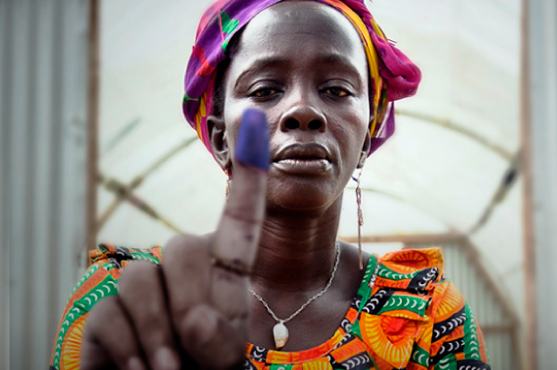
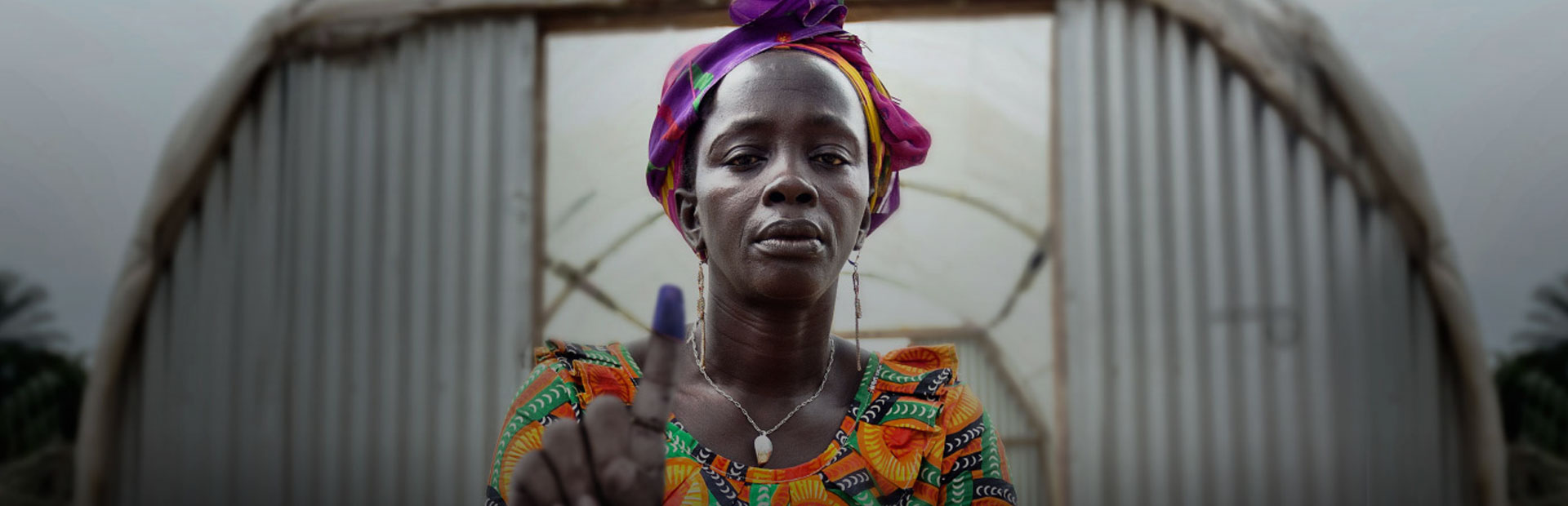
Women’s political participation in electoral processes requires targeted support to overcome gender discrimination. Key strategies for enhancing gender balance in electoral processes include: working with political parties to promote gender sensitive policies and practices to foster women’s leadership; targeted outreach and support for women to register to vote and safely access polling stations; guarantee of protection from election related violence and harassment; the use of quotas and temporary special measures to increase women’s representation; effective technical and financial support to women candidates and political leaders; and engagement of male champions for women’s empowerment and gender equality.
Abstract
Abstract
Abstract
Abstract
In-depth: More than 95 female candidates were elected in Iraq's election according to preliminary results, exceeding the 83-seat quota. But some say political parties are manipulating the system for electoral gain, rather than to empower women.
In Sunday's general election, 45 women were elected to the 465-seat House of Representatives, down two from the previous contest in 2017, despite a law promoting female participation in the political field, data showed Monday.
Harassment is common for women who run for office and female MPs comprise just 9.9% of lower house.
Less than a fifth of candidates in Japan’s upcoming election are female, unchanged from the last vote four years ago, indicating the percentage of women in one of the world’s most male-dominated parliaments is unlikely to increase.
TOKYO – Just 186 of the 1,051 candidates standing in Japan's House of Representatives election this month, or 17.7%, are women -- on par with the low level seen in the previous lower house race in 2017.
BERLIN, Sept 27 (Reuters) - Two German politicians from the Greens have made history by becoming the first transgender women to win parliamentary seats in Sunday's national election.
Just over one-third of the members in Germany's newly elected parliament are women. That's troubling — and not at all representative of our society, DW's Melina Grundmann writes.