June 28, 2019
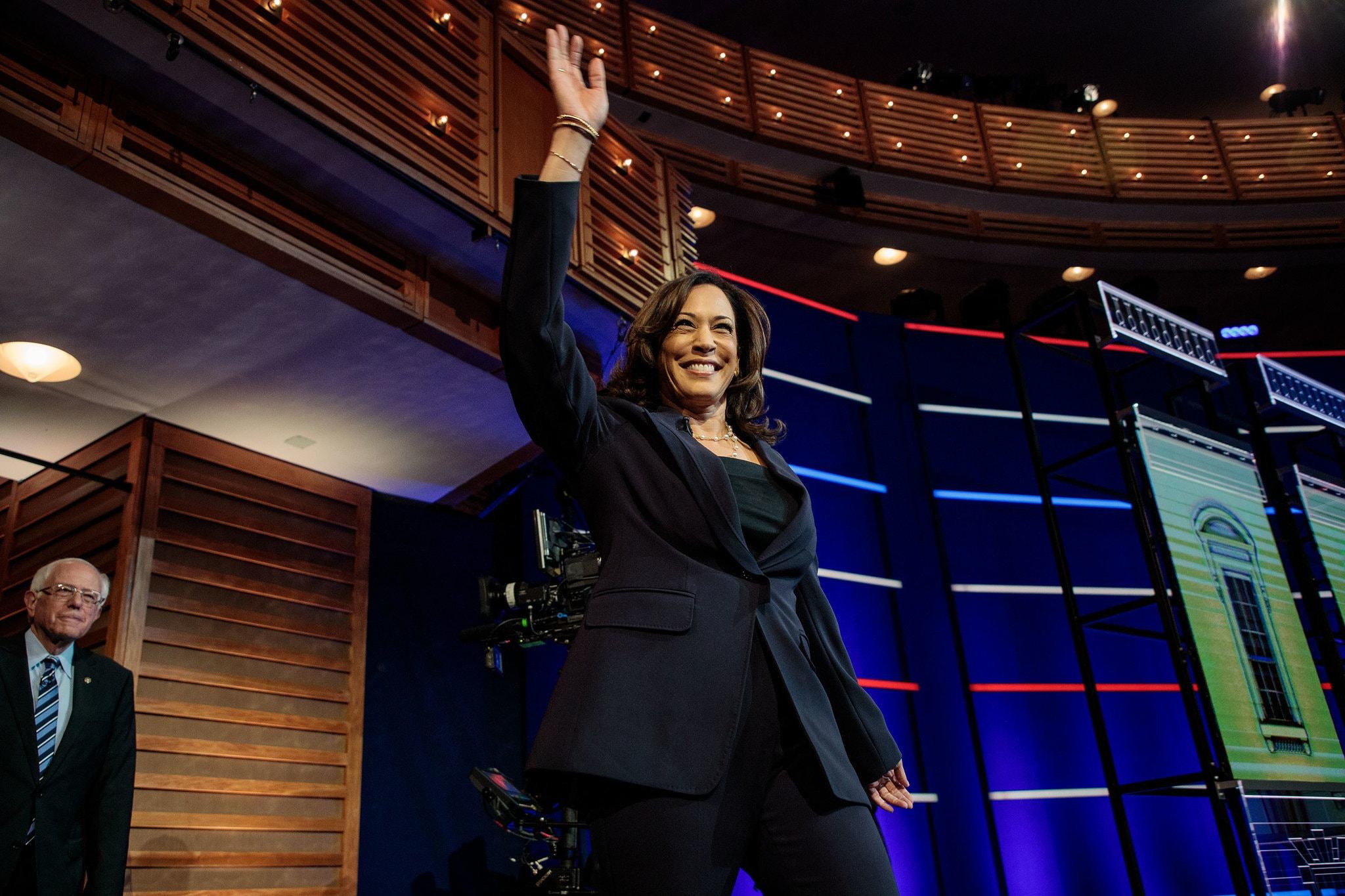
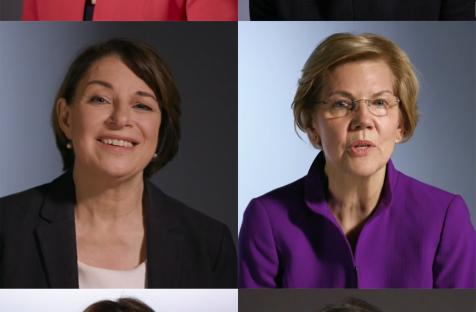
The 6 women running for president in the US have answers
“The opportunities for the next president are enormous. We can show worldwide leadership.”
Women’s political participation in electoral processes requires targeted support to overcome gender discrimination. Key strategies for enhancing gender balance in electoral processes include: working with political parties to promote gender sensitive policies and practices to foster women’s leadership; targeted outreach and support for women to register to vote and safely access polling stations; guarantee of protection from election related violence and harassment; the use of quotas and temporary special measures to increase women’s representation; effective technical and financial support to women candidates and political leaders; and engagement of male champions for women’s empowerment and gender equality.

“The opportunities for the next president are enormous. We can show worldwide leadership.”
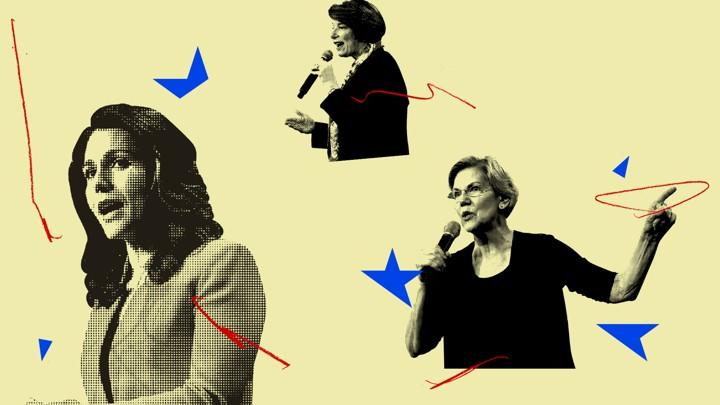
By Adrienne Green,
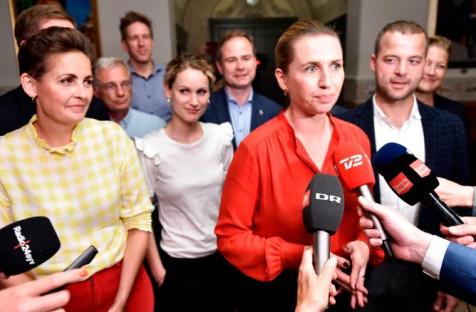
Mette Frederiksen, the leader of Denmark's center-left Socialist Democratic party, has announced that she will form a left-leaning, one-p
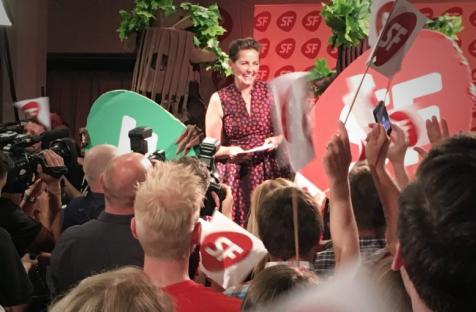
The 2019 General Election tied a Danish record for the highest percentage of women being elected into Parliament with 39.1 percent (70 out of 179).
A women’s rights group will today, 9 June, launch a €35,000 crowdfunding plan to help female candidates in future elections after accusing the Government of failing to do enough to address the issue.

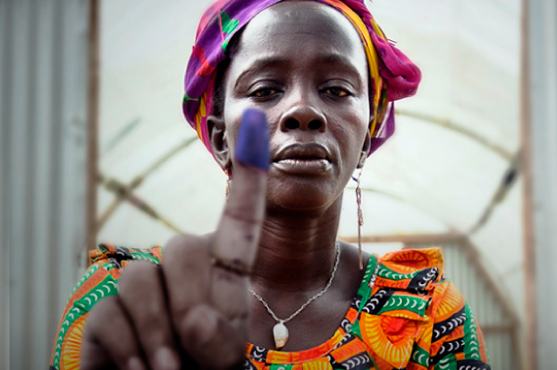
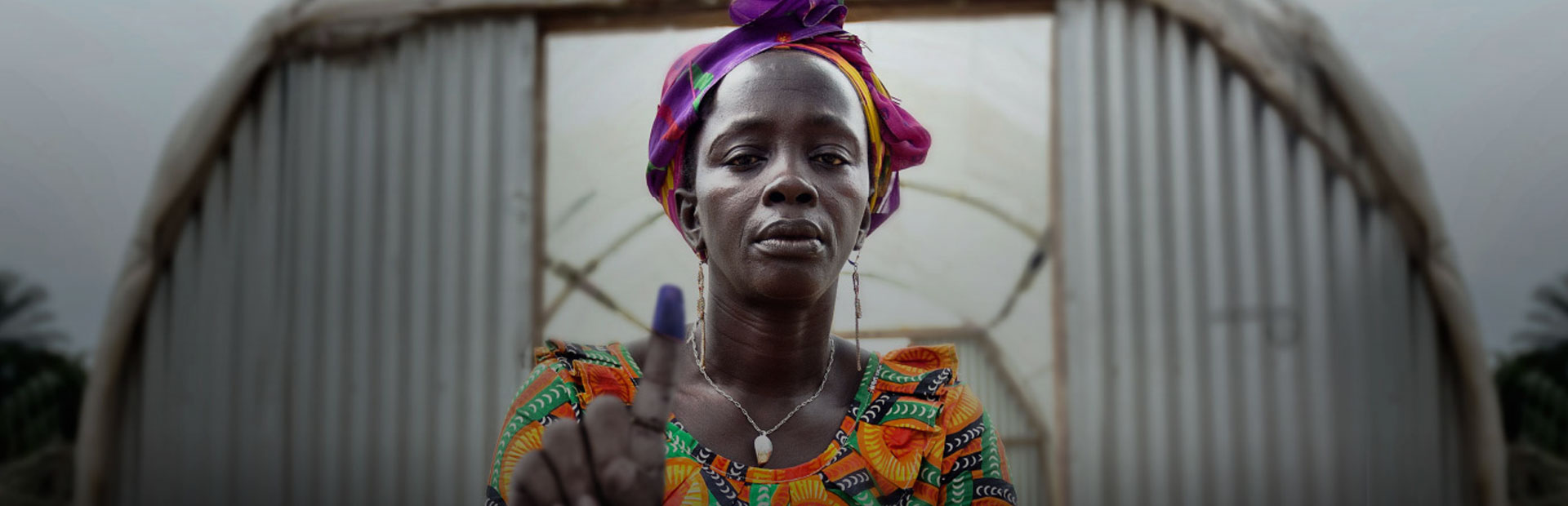
Women around the world are playing increasingly visible roles in the political processes of their countries as voters, candidates, representatives, protesters, journalists and as civic educators in the home, the community and beyond.
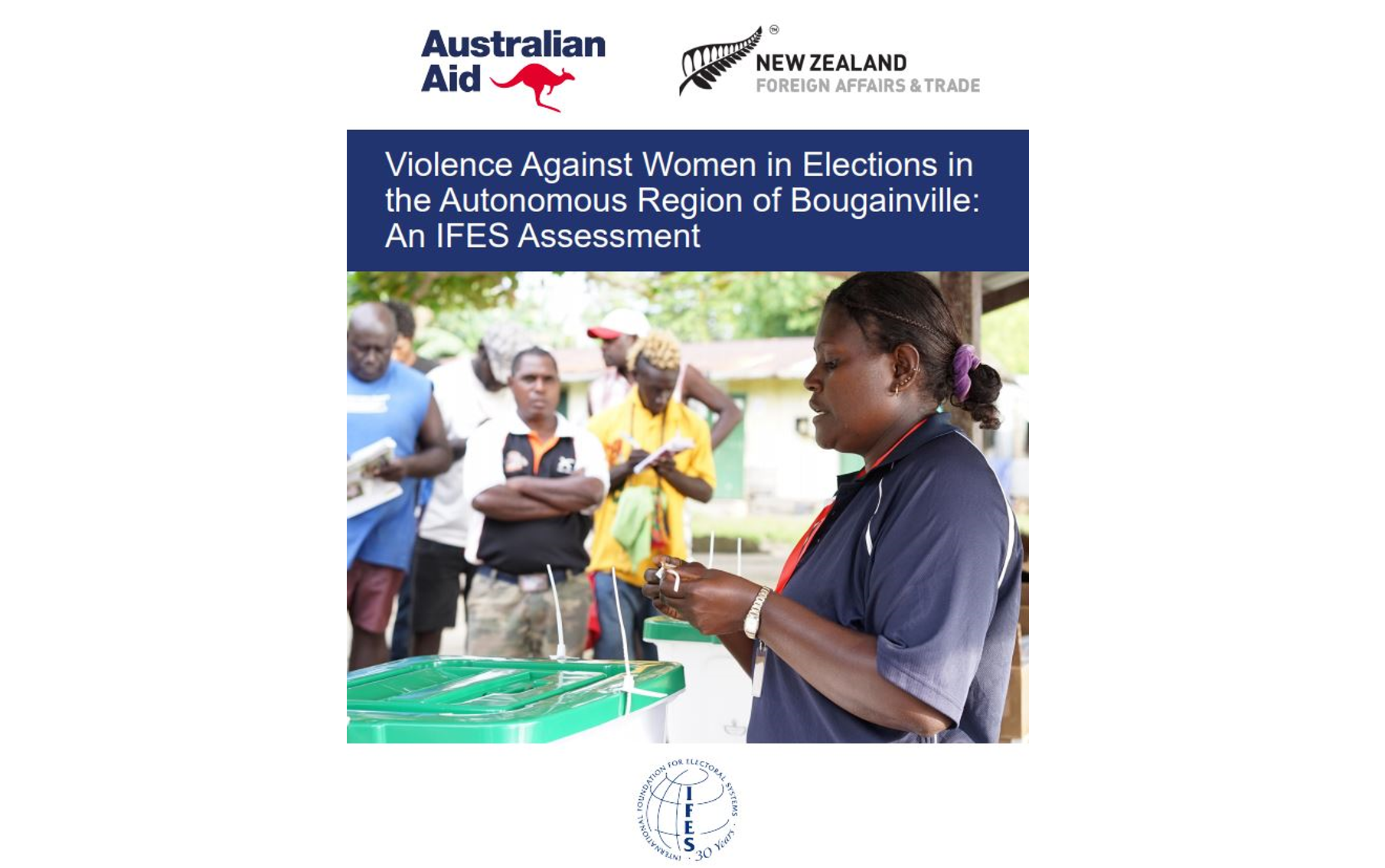
Violence against women in politics is a substantial threat to the integrity of the electoral process, affecting women’s participation as voters, candidates, election officials, activists and political party leaders and undermining free, fair and incl
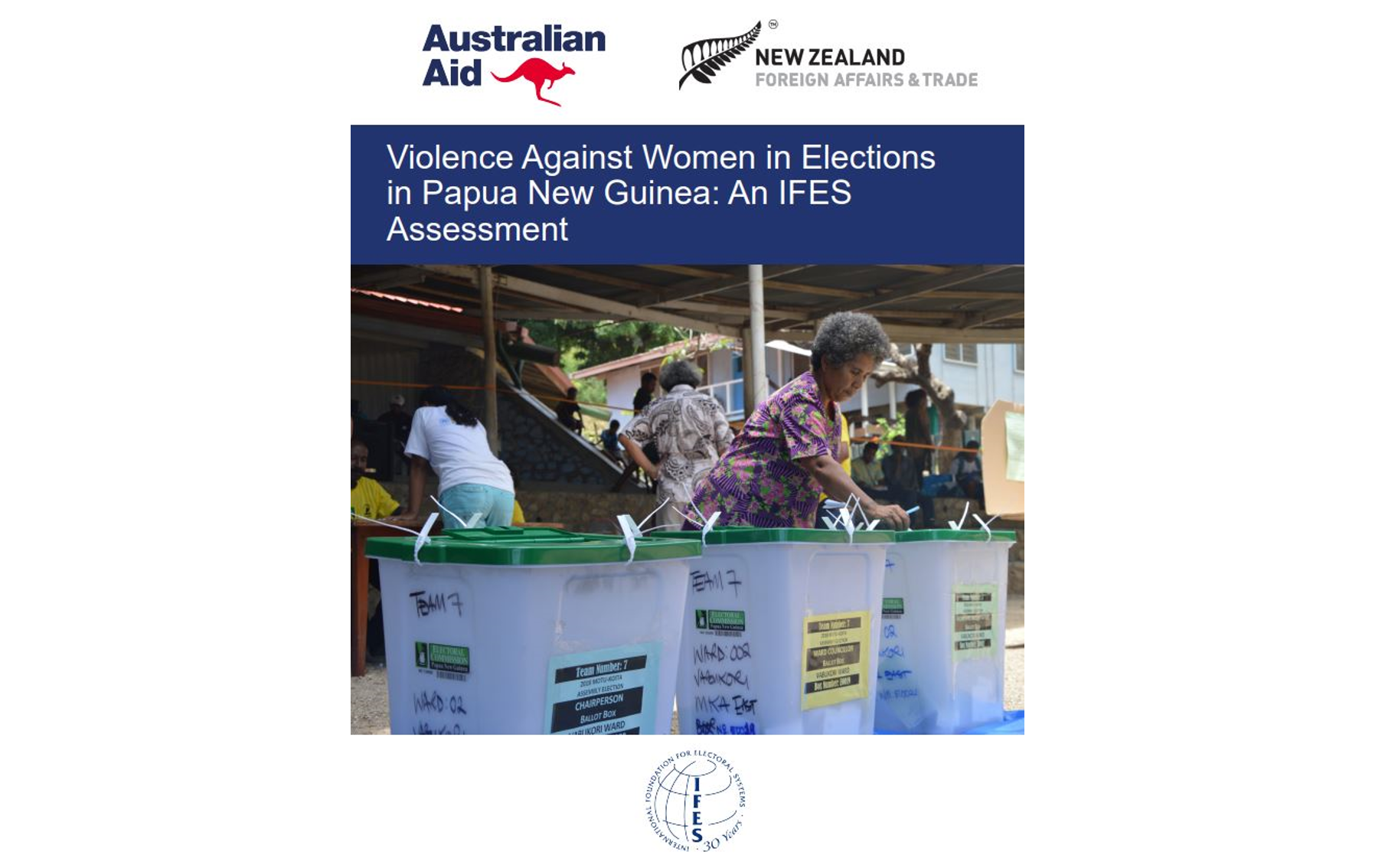
Violence against women in politics is a substantial threat to the integrity of the electoral process, affecting women’s participation as voters, candidates, election officials, activists and political party leaders and undermining free, fair and incl