Parliaments & Representatives
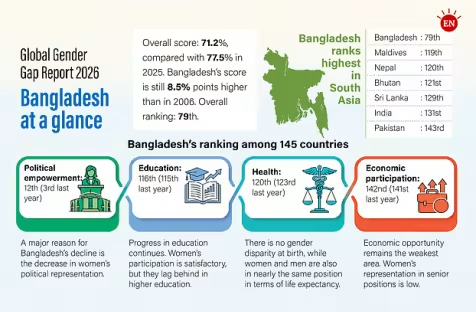
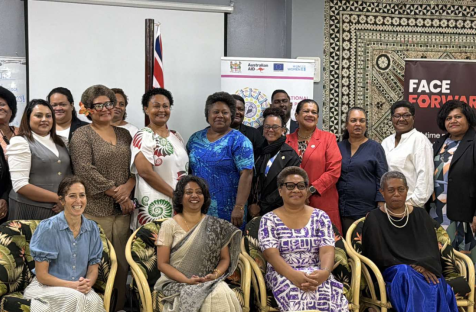
Women make up only 23.5% of Members of Parliament according to the latest available data of the Inter-Parliamentary Union. While significant strides in women’s political participation have been made since the adoption of the Beijing Platform for Action in 1995, which set Member States’ target of achieving gender balance in political decision-making, women are still underrepresented in political decision-making at all levels and gender balance remains an aspirational goal. Gains in women’s participation have been notable in countries that have taken proactive steps to support women’s political participation, including reforming or amending discriminatory laws, taking concrete action to address violence against women in politics and gender discrimination within parliaments, addressing gender-specific barriers, and supporting women in all forms of decision-making including at local level and in executive government.
Navigating Backlash: Iran’s ‘Woman, Life, Freedom’ Protests and its Aftermath
Feminist scholars and advocates have long asserted that women’s rights and gender equality are fundamental prerequisites for democratic governance.
Advancement of Women's Empowerment in India
In recent years, India has witnessed a significant rise in women’s empowerment, reflected in greater participation in education, politics, entrepreneurship, and social activism.
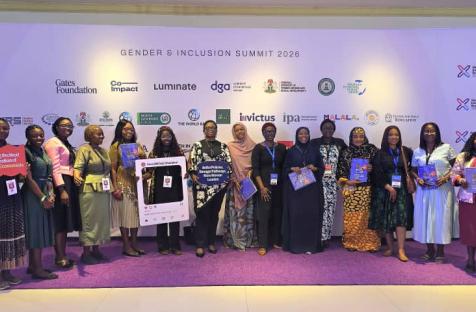
The First Lady of the Federal Republic of Nigeria, Sen. Oluremi Tinubu, has emphasized the importance of inclusive political participation, calling for increased women’s representation in nation-building efforts.
The clamour for increased representation of women in Nigeria’s political space has once again come to the fore, as stakeholders await the outcome of the Reserved Seats Bill currently before the National Assembly.
Nigeria ranks among the lowest in Africa for women’s political representation, while countries like Rwanda, Namibia, and South Africa lead with robust gender-inclusive policies and high female participation in governance.
Gender Parity Roadmap: Seven steps towards the equal and meaningful representation of women and men in politics
Researchers at the King Center on Global Development are addressing challenges such as gender-based violence and low labor participation, with the aim to inform supportive policy interventions.
Women in Nigeria have called for more opportunities to encourage their active participation in policymaking and to support female candidates during elections.
Pagination
- Page 1
- Next page