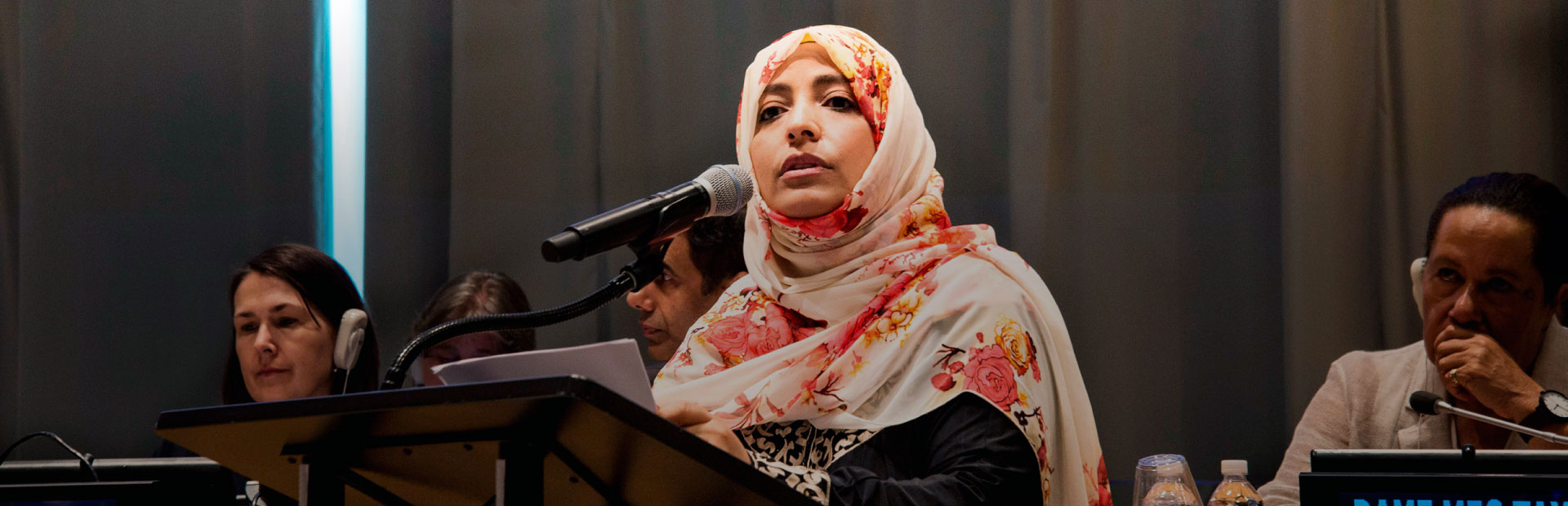
The pushback against gender equality is one of the findings in a major report from UN Women, the UN agency for gender equality, on the progress made so far in advancing women’s rights worldwide.
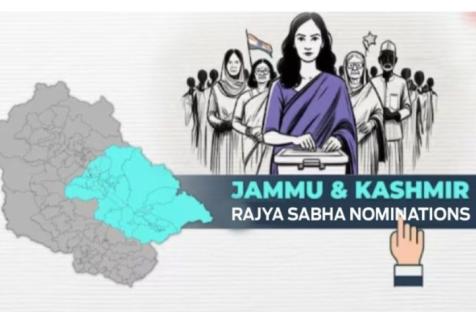
Women make up only 23.5% of Members of Parliament according to the latest available data of the Inter-Parliamentary Union. While significant strides in women’s political participation have been made since the adoption of the Beijing Platform for Action in 1995, which set Member States’ target of achieving gender balance in political decision-making, women are still underrepresented in political decision-making at all levels and gender balance remains an aspirational goal. Gains in women’s participation have been notable in countries that have taken proactive steps to support women’s political participation, including reforming or amending discriminatory laws, taking concrete action to address violence against women in politics and gender discrimination within parliaments, addressing gender-specific barriers, and supporting women in all forms of decision-making including at local level and in executive government.
The pushback against gender equality is one of the findings in a major report from UN Women, the UN agency for gender equality, on the progress made so far in advancing women’s rights worldwide.
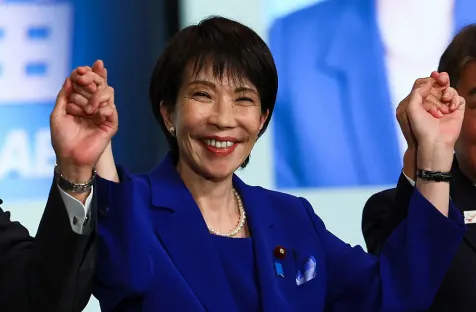
Gender equality in politics is still elusive in Japan, which marks the 80th anniversary of women's suffrage this year.
PHOENIX -- South Dakota’s constitution refers to the governor as a “he.”
This article by Fjola Zlatku was first published in Albanian by Portalb.mk and translated into English
The old saying “all politics is local” has become increasingly outdated in a world of growing political polarization.