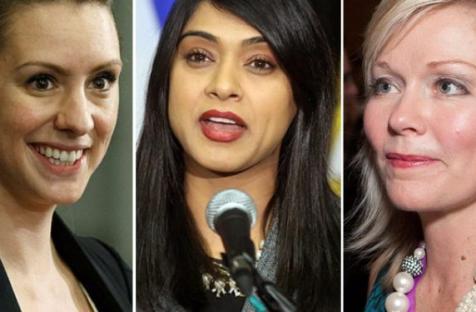
NDP leader Jagmeet Singh named NDP MP Ruth Ellen Brosseau the party’s new House leader in last week's shuffle of his party's critics.
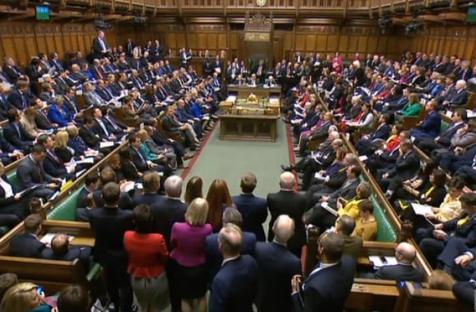
Women make up only 23.5% of Members of Parliament according to the latest available data of the Inter-Parliamentary Union. While significant strides in women’s political participation have been made since the adoption of the Beijing Platform for Action in 1995, which set Member States’ target of achieving gender balance in political decision-making, women are still underrepresented in political decision-making at all levels and gender balance remains an aspirational goal. Gains in women’s participation have been notable in countries that have taken proactive steps to support women’s political participation, including reforming or amending discriminatory laws, taking concrete action to address violence against women in politics and gender discrimination within parliaments, addressing gender-specific barriers, and supporting women in all forms of decision-making including at local level and in executive government.
NDP leader Jagmeet Singh named NDP MP Ruth Ellen Brosseau the party’s new House leader in last week's shuffle of his party's critics.
In the wake of Donald Trump’s election, an unprecedented number of women — primarily Democrats — are running for office in 2018.
The under-representation of women at any level of governance and decision-making results in a democratic deficit. It has been proven time and again that diverse groups make better decisions. This is particularly true when it comes to a task as challenging as representing the interests of citizens at the local level. Often influencing policies in housing, security, transport, and the economy, local government makes important decisions that affect the lives of women and men.
Caribbean countries face complex development challenges shaped by socio-political, economic and environmental factors.
Parliamentary gender caucuses bring together legislators committed to advancing women’s rights and gender equality to coordinate their efforts and accelerate progress.
The current French parliament has the most women it has ever had: 224 women were elected in June, out of 577 seats. This is mostly due to president Emmanuel Macron, who pushed for more women to run for office.
Journeys from Exclusion to Inclusion: Marginalized Women’s Successes in Overcoming Political Exclusion identifies critical factors preventing marginalized women’s inclusion in customary and democratic decision-making structures and describes how women have worked in overcoming barri
Campaigners warn it could be months before proposals are finalised, which could leave party whips with too much power.
BLANTYRE, MALAWI — In Malawi, the push for more women members of parliament was dealt a blow when the government said it would not consider a proposal to create 28 automatic seats for women.