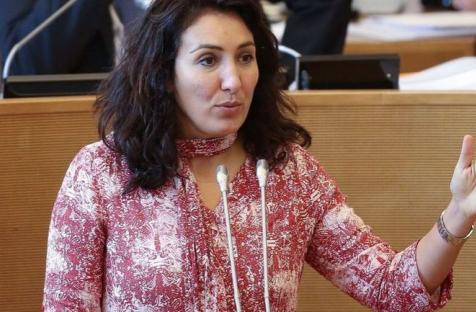
After a detailed analysis of dialogue from the Walloon Parliament in 2020, it has been found that a staggering 82.4% of speech comes from male speakers, according to a study carried out by dada analyst Robin Devooght of the Roi Baudouin Foundation.
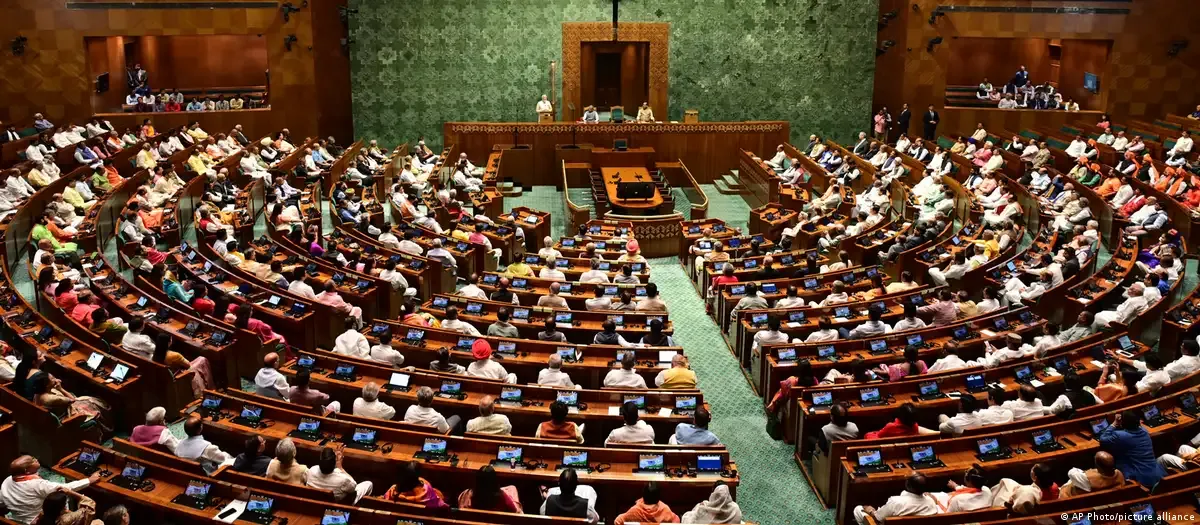
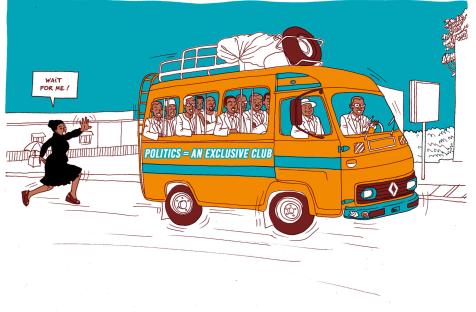
Women make up only 23.5% of Members of Parliament according to the latest available data of the Inter-Parliamentary Union. While significant strides in women’s political participation have been made since the adoption of the Beijing Platform for Action in 1995, which set Member States’ target of achieving gender balance in political decision-making, women are still underrepresented in political decision-making at all levels and gender balance remains an aspirational goal. Gains in women’s participation have been notable in countries that have taken proactive steps to support women’s political participation, including reforming or amending discriminatory laws, taking concrete action to address violence against women in politics and gender discrimination within parliaments, addressing gender-specific barriers, and supporting women in all forms of decision-making including at local level and in executive government.
After a detailed analysis of dialogue from the Walloon Parliament in 2020, it has been found that a staggering 82.4% of speech comes from male speakers, according to a study carried out by dada analyst Robin Devooght of the Roi Baudouin Foundation.
A new study by the IPU and the African Parliamentary
“If you are a woman, you are not listened to. It’s almost like you don’t know what you’re talking about. You’re a woman, but that’s not what it says.
By Gabriela Cuevas, President of the Inter-Parliamentary Union (IPU), and Liliane Maury Pasquier, President of the Parliamentary Assembly of the Council of Europe (PACE).