
Parliaments & Representatives
Women make up only 23.5% of Members of Parliament according to the latest available data of the Inter-Parliamentary Union. While significant strides in women’s political participation have been made since the adoption of the Beijing Platform for Action in 1995, which set Member States’ target of achieving gender balance in political decision-making, women are still underrepresented in political decision-making at all levels and gender balance remains an aspirational goal. Gains in women’s participation have been notable in countries that have taken proactive steps to support women’s political participation, including reforming or amending discriminatory laws, taking concrete action to address violence against women in politics and gender discrimination within parliaments, addressing gender-specific barriers, and supporting women in all forms of decision-making including at local level and in executive government.
Show on Home Page
Yes
Image
Icon

Banner Image
July 15, 2025
Engagement on Women’s Political Representation Underscores Need for Reform
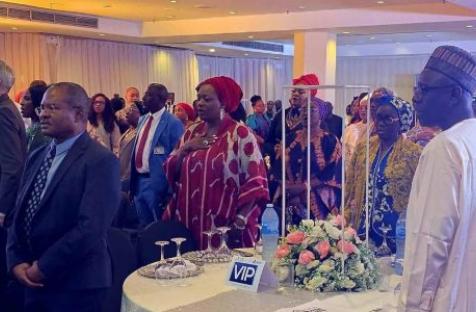
On Thursday, 10th July 2025, the House of Representatives Committee on the Review of the 1999 Constitution, in collaboration with the Policy and Legal Advocacy Centre (PLAC) and with support from the European Union in Nigeria, hosted a Legislative Dinner on advancing wo
July 15, 2025
How African countries ranked on the World Economic Forum's gender gap report
The World Economic Forum (WEF) has released its
July 15, 2025
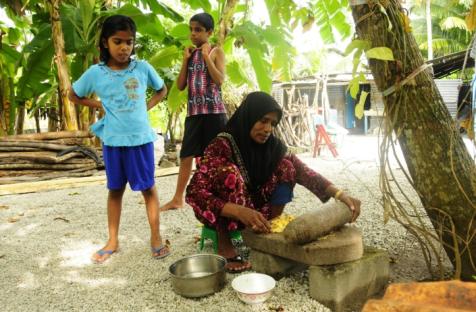
Bridging the Gender Wage Gap in the Maldives
The Maldives, a nation known for its natural beauty and growing economy, has taken meaningful steps toward gender equality.
July 10, 2025
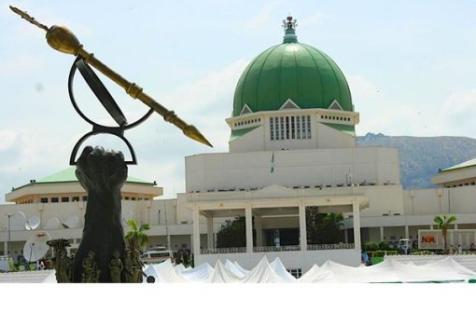
More than a seat, Nigerian women deserve power
Sir: Since 1999, barely 43 women senators and 119 House members have held elective seats in Nigeria’s National Assembly.

July 10, 2025
Morocco’s Advances in Women’s Full and Equal Participation Highlighted in Geneva
Morocco’s significant progress in ensuring women’s full and equal participation and representation in political and decision-making spheres was showcased by the Interministerial Delegation for Human Rights (DIDH) during an event held Thursday in Geneva, on the sidelines
July 10, 2025
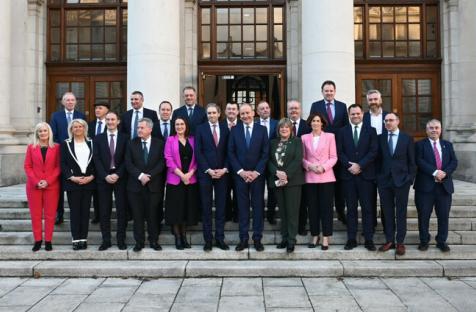
A UN committee wants Irish political parties to have at least half their candidates be women
A UNITED NATIONS committee has highlighted the low representation of woman in the Dáil and at Cabinet as “priority issues” that must be addressed by the state.
July 10, 2025
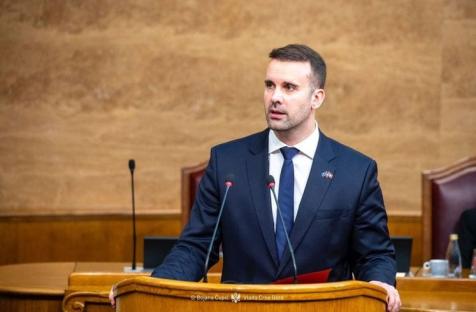
Prime Minister Spajić voices strong support for greater participation of women in politics
In a video address to the Committee on Gender Equality, which is currently reviewing an initiative to increase the quota for the underrepresented gender in the electoral law from 30% to 40%—with the additional requirement that at least one out of every three candidates
July 10, 2025
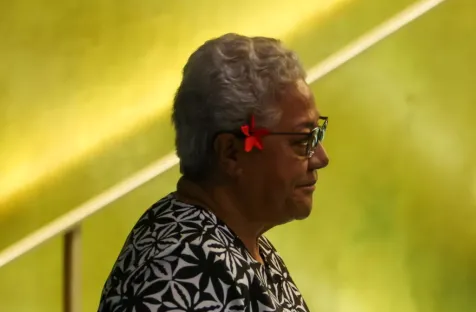
Remarks reveal enduring sexist norms in Samoan politics
During a motion of no confidence in March 2025, opposition member of parliament Fuiono Tenina Crichton heckled Samoan Prime Minister Fiame Naomi Mata’