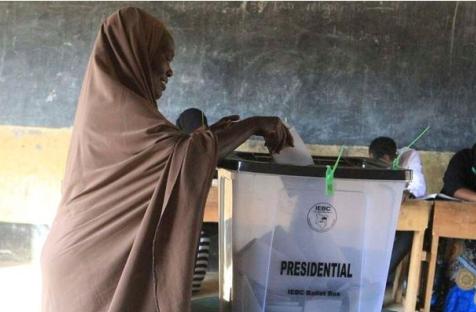
Iraq’s Council of Representatives published a list of 81 candidates for the country’s presidency on Monday after nominations closed, including four women, as Kurdish parties put forward nominees for the largely ceremonial post.
Women make up only 23.5% of Members of Parliament according to the latest available data of the Inter-Parliamentary Union. While significant strides in women’s political participation have been made since the adoption of the Beijing Platform for Action in 1995, which set Member States’ target of achieving gender balance in political decision-making, women are still underrepresented in political decision-making at all levels and gender balance remains an aspirational goal. Gains in women’s participation have been notable in countries that have taken proactive steps to support women’s political participation, including reforming or amending discriminatory laws, taking concrete action to address violence against women in politics and gender discrimination within parliaments, addressing gender-specific barriers, and supporting women in all forms of decision-making including at local level and in executive government.
Iraq’s Council of Representatives published a list of 81 candidates for the country’s presidency on Monday after nominations closed, including four women, as Kurdish parties put forward nominees for the largely ceremonial post.
New research from the University of St Andrews has found that increases in women’s parliamentary representation within a country are related to enhanced public trust in the national parliament.
The Women’s Parliamentary Rights Act became law on 29 October 1919, allowing women to stand for election to the House of Representatives. This was just in time for the general election on 16 - 17 December 1919.
In January, three women new to local politics will take leadership positions on Whatcom County Council and at the Port of Bellingham. Each has their own ideas for what they bring to the table.
Women in Ghana remain significantly underrepresented in political leadership and public decision-making, despite the passage of the Affirmative Action Gender Equity Act in 2024, the 2025 Status of Women Report has said.
Indian politics often behaves less like a modern constitutional system and more like a network of fiercely loyal clans.
Fear, harassment, and institutional silence continue to shape the political experience of women in The Gambia, a new study has revealed, exposing how violence, intimidation, and systemic neglect are undermining women’s participation and leadership in public life.
Nearly 60 female lawmakers in Japan, including the prime minister, Sanae Takaichi, have submitted a petition calling for more toilet