Violence against women in politics in Georgia

The publication represents the findings of a national survey on the violence against women in politics in Georgia, gathering women’s experiences in politics in Georgia.
Women make up only 23.5% of Members of Parliament according to the latest available data of the Inter-Parliamentary Union. While significant strides in women’s political participation have been made since the adoption of the Beijing Platform for Action in 1995, which set Member States’ target of achieving gender balance in political decision-making, women are still underrepresented in political decision-making at all levels and gender balance remains an aspirational goal. Gains in women’s participation have been notable in countries that have taken proactive steps to support women’s political participation, including reforming or amending discriminatory laws, taking concrete action to address violence against women in politics and gender discrimination within parliaments, addressing gender-specific barriers, and supporting women in all forms of decision-making including at local level and in executive government.
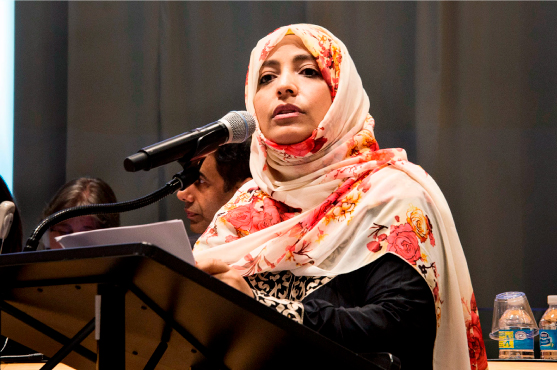

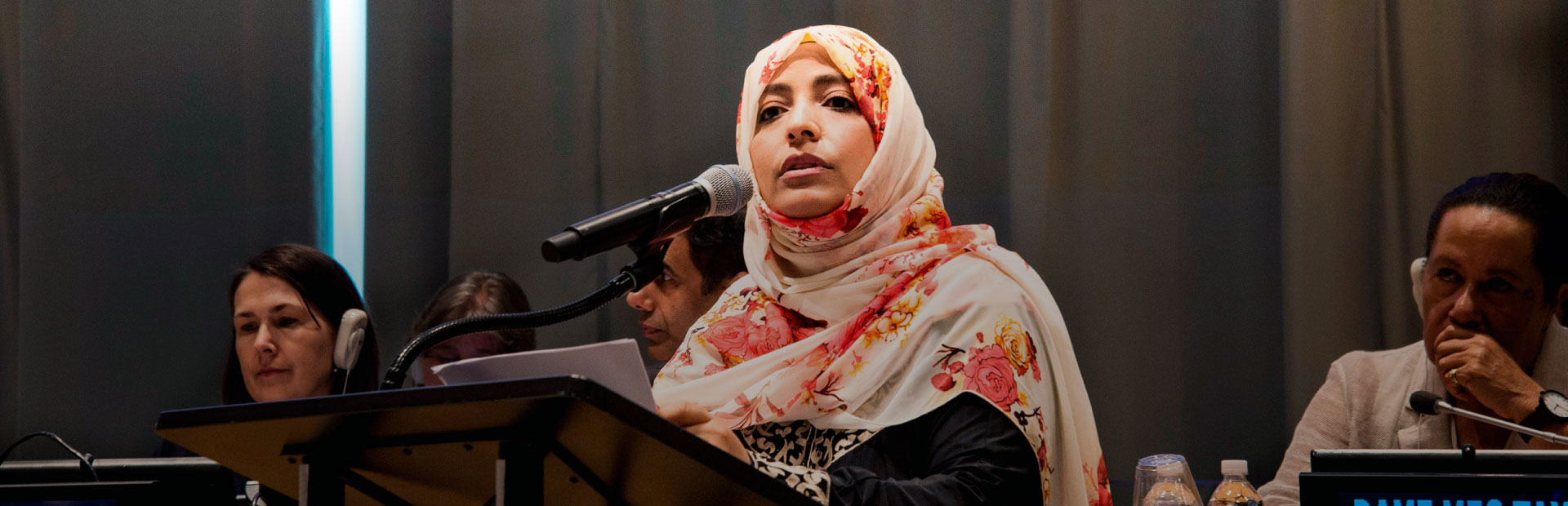
The publication represents the findings of a national survey on the violence against women in politics in Georgia, gathering women’s experiences in politics in Georgia.

There are slightly more males than females born into the world, according to UN data on sex ratios at birth, which shows 1.058 males born for every female in 2021.

In the spirit of celebration of Nigeria’s 63rd Independence anniversary, northern women in Adamawa State have called for more inclusion in the political space.

Power is a concept synonymous with DC—in its symbolism, its offices, its people. Many Washingtonians hold power by virtue of their positions, titles, and affiliations.

Should Sir Keir Starmer win power in 2024, as most of the polls are predicting, the question of who will come after Rishi is once again on Conservative minds.

“Down Girl: The Logic of Misogyny,” is a book written by philosopher and feminist scholar Kate Manne.

Normal
0
-->
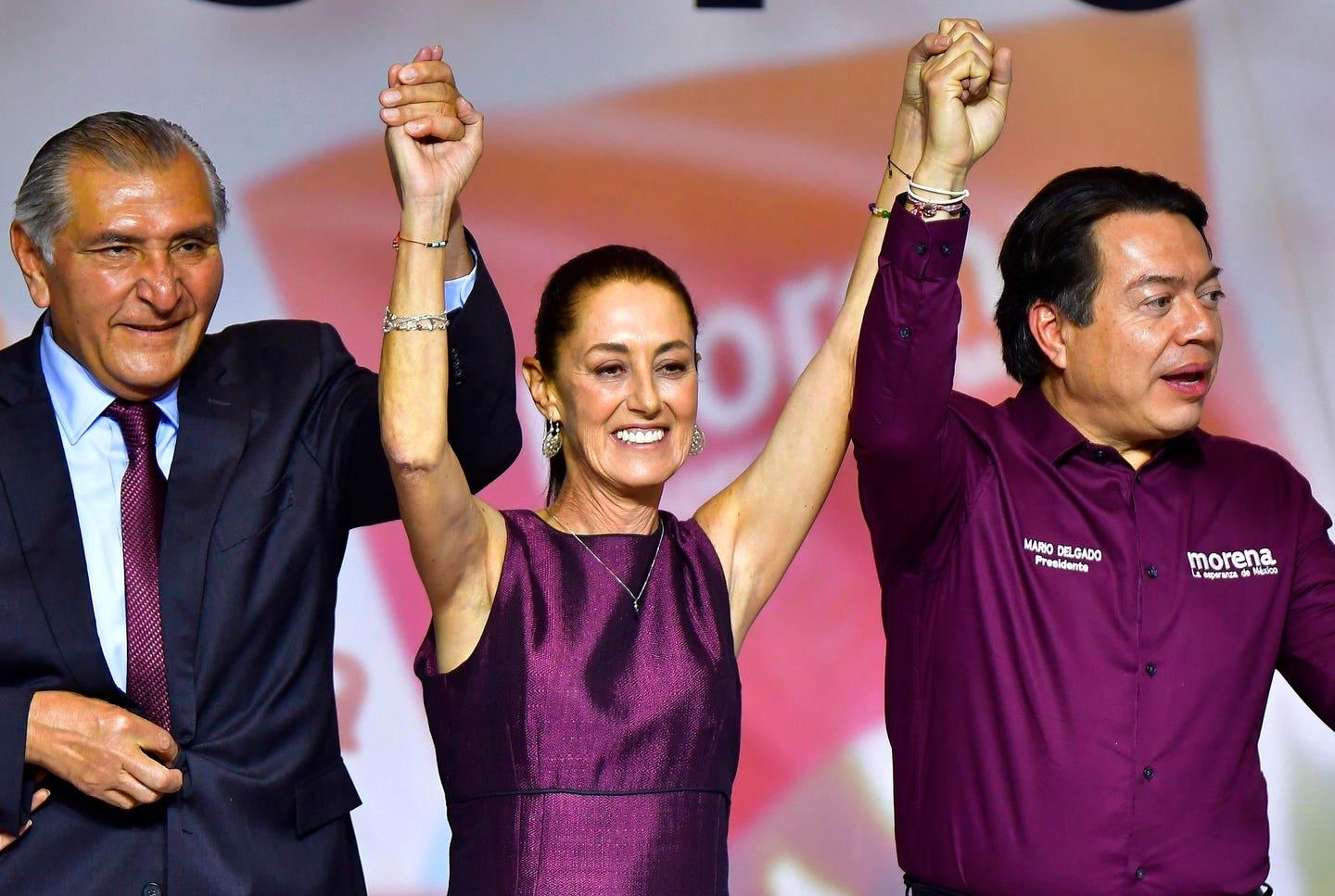
Mexico's top two political parties selected female presidential nominees, virtually ensuring that the nation's next leader will be a woman.
