In the fight for better policies for mothers and families, Rep. Brittany Pettersen (D-Colo.) has also had to fight to have her own voice heard on Capitol Hill.
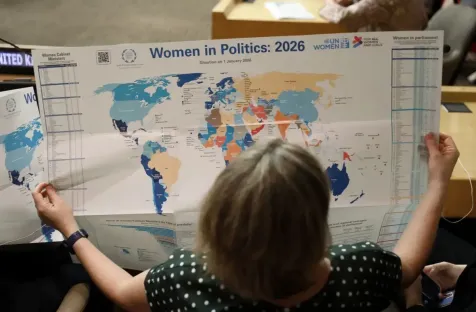
Women make up only 23.5% of Members of Parliament according to the latest available data of the Inter-Parliamentary Union. While significant strides in women’s political participation have been made since the adoption of the Beijing Platform for Action in 1995, which set Member States’ target of achieving gender balance in political decision-making, women are still underrepresented in political decision-making at all levels and gender balance remains an aspirational goal. Gains in women’s participation have been notable in countries that have taken proactive steps to support women’s political participation, including reforming or amending discriminatory laws, taking concrete action to address violence against women in politics and gender discrimination within parliaments, addressing gender-specific barriers, and supporting women in all forms of decision-making including at local level and in executive government.
In the fight for better policies for mothers and families, Rep. Brittany Pettersen (D-Colo.) has also had to fight to have her own voice heard on Capitol Hill.
One of the challenges facing local governments—and institutional politics in general—is reversing the historically negligible presence of women in political parties and administrations.
A heated debate on affirmative action versus merit-based appointments to increase women’s participation, including in the media, took centre stage at a BBC World Questions episode recorded live in Petaling Jaya last night.
Over 50% of female local assembly members in Japan have been troubled with harassment, more than double the proportion of such male members, according to a Cabinet Office report.
Theresa May, Britain’s ex-prime minister, says that rather than reaching for social media the second major news breaks, former world leaders would be better off taking a step back and bringing
Americans are deeply divided about the use of quotas in hiring and education, but quotas are used in many countries to assure a balance of power between men and women in legislative bodies.