A small Japanese town sets new precedent for women in politics

A handful of small cities in Japan have managed to do what the rest of the country hasn’t: Elect women.
Women make up only 23.5% of Members of Parliament according to the latest available data of the Inter-Parliamentary Union. While significant strides in women’s political participation have been made since the adoption of the Beijing Platform for Action in 1995, which set Member States’ target of achieving gender balance in political decision-making, women are still underrepresented in political decision-making at all levels and gender balance remains an aspirational goal. Gains in women’s participation have been notable in countries that have taken proactive steps to support women’s political participation, including reforming or amending discriminatory laws, taking concrete action to address violence against women in politics and gender discrimination within parliaments, addressing gender-specific barriers, and supporting women in all forms of decision-making including at local level and in executive government.

A handful of small cities in Japan have managed to do what the rest of the country hasn’t: Elect women.
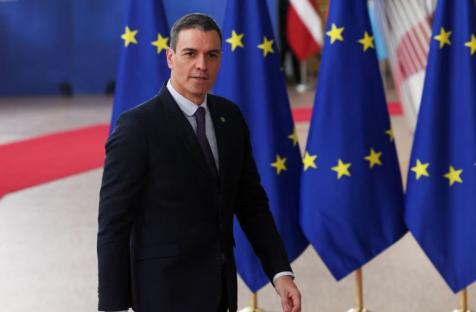
Spanish Prime Minister Pedro Sanchez on Saturday announced a gender equality law that will require more equal representation of women and men in politics, business and other spheres of public life.
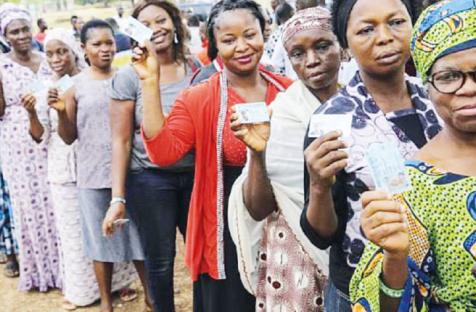
The National Bureau of Statistics (NBS) says women have continued to record low representation in all tiers and levels of governance.
Normal
0
-->

Only 18 of 382 councils have minimum gender representation parity, say equality charities

Despite progress towards gender equality, women’s representation in Canadian politics continues to fall short.

Satoko Kishimoto finds running one of Tokyo's main districts to be a lonely job.