Local politicians across Japan feel that more needs to be done to help women enter and remain in politics, from combatting sexual harassment to beefing up maternity leave policies, according to a new survey.
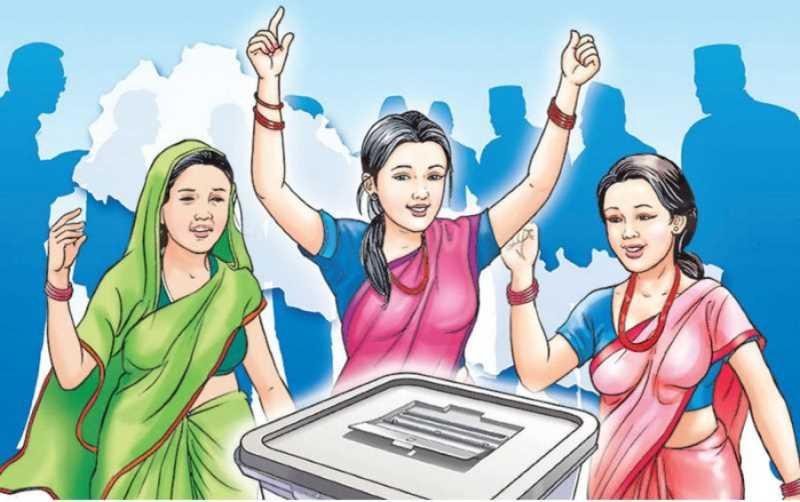
Women make up only 23.5% of Members of Parliament according to the latest available data of the Inter-Parliamentary Union. While significant strides in women’s political participation have been made since the adoption of the Beijing Platform for Action in 1995, which set Member States’ target of achieving gender balance in political decision-making, women are still underrepresented in political decision-making at all levels and gender balance remains an aspirational goal. Gains in women’s participation have been notable in countries that have taken proactive steps to support women’s political participation, including reforming or amending discriminatory laws, taking concrete action to address violence against women in politics and gender discrimination within parliaments, addressing gender-specific barriers, and supporting women in all forms of decision-making including at local level and in executive government.
Local politicians across Japan feel that more needs to be done to help women enter and remain in politics, from combatting sexual harassment to beefing up maternity leave policies, according to a new survey.
On the eve of the International Day of Parliamentarism and the IPU’s 133rd anniversary on 30 June, a snapshot of the state of parliaments and parliamentarians offers mixed results.
In the 2020 elections in Georgia, women increased their share of seats in parliament from 14 to almost 20 percent.
Recent evidence of violence against women in politics shows that online hate speech and harassment represent both serious and increasing obstacles to the ability of female political leaders to fulfil their mandates.
Over the last 25 years, since the adoption of the Beijing Declaration and Platform for Action by the United Nations in 1995, the number of women parliamentarians has nearly doubled worldwide.
The Inter-Parliamentary Union (IPU) has placed Cuba as the second of the five countries in the world that boast gender parity in parliament and the country with the second-highest proportion of
France's lower house of parliament on Tuesday agreed to pick an MP from President Emmanuel Macron's centrist coalition as the first woman speaker, despite the ruling alliance losing its majority in legislative elections.
This e-Discussion raised awareness and collected experiences, knowledge, and good practices on women’s political participation in the co
The first recipients of the grants from Labour MP Stella Creasy’s MotheRED scheme to encourage women into the Commons tell why it could help stop the rot in politics.