Trends in the gender composition of the Australian parliament
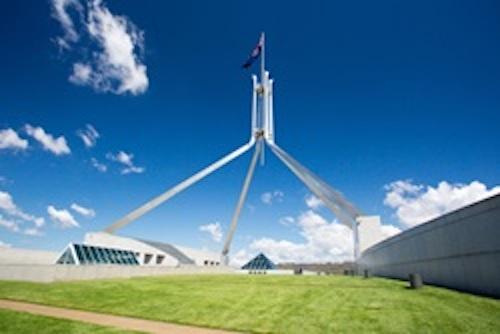
How does the gender composition of the Australian parliament compare with parliaments around the world, and how has it changed over the past two decades
International comparisons
Women make up only 23.5% of Members of Parliament according to the latest available data of the Inter-Parliamentary Union. While significant strides in women’s political participation have been made since the adoption of the Beijing Platform for Action in 1995, which set Member States’ target of achieving gender balance in political decision-making, women are still underrepresented in political decision-making at all levels and gender balance remains an aspirational goal. Gains in women’s participation have been notable in countries that have taken proactive steps to support women’s political participation, including reforming or amending discriminatory laws, taking concrete action to address violence against women in politics and gender discrimination within parliaments, addressing gender-specific barriers, and supporting women in all forms of decision-making including at local level and in executive government.

How does the gender composition of the Australian parliament compare with parliaments around the world, and how has it changed over the past two decades
International comparisons
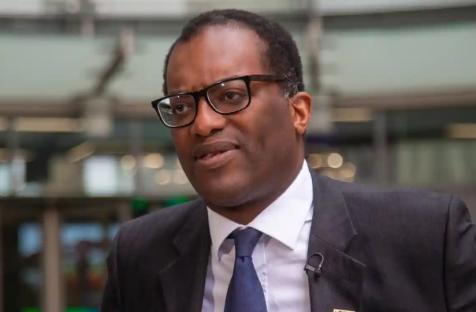
UK government faces growing pressure to tackle sexual misconduct in Westminster as Kwasi Kwarteng rejects idea of inherent sexism.
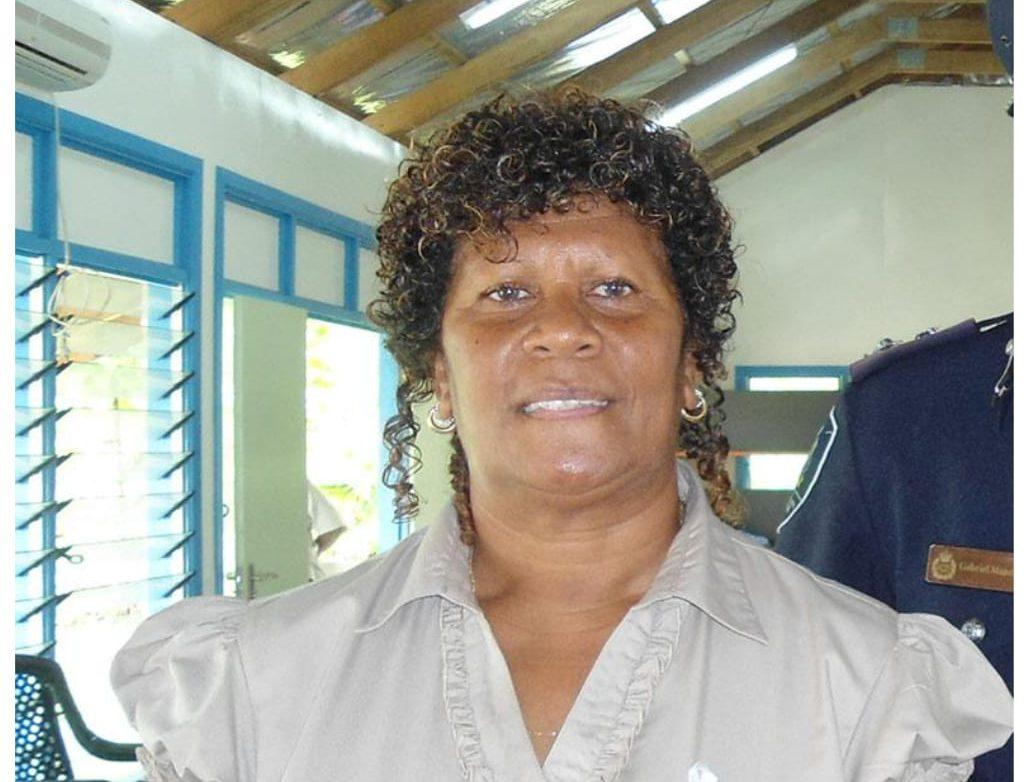
In late March 2022, 16 years after she was first elected to the Isabel Provincial Assembly in Solomon Islands, Rhoda Sikilabu became the country’s first female premier.
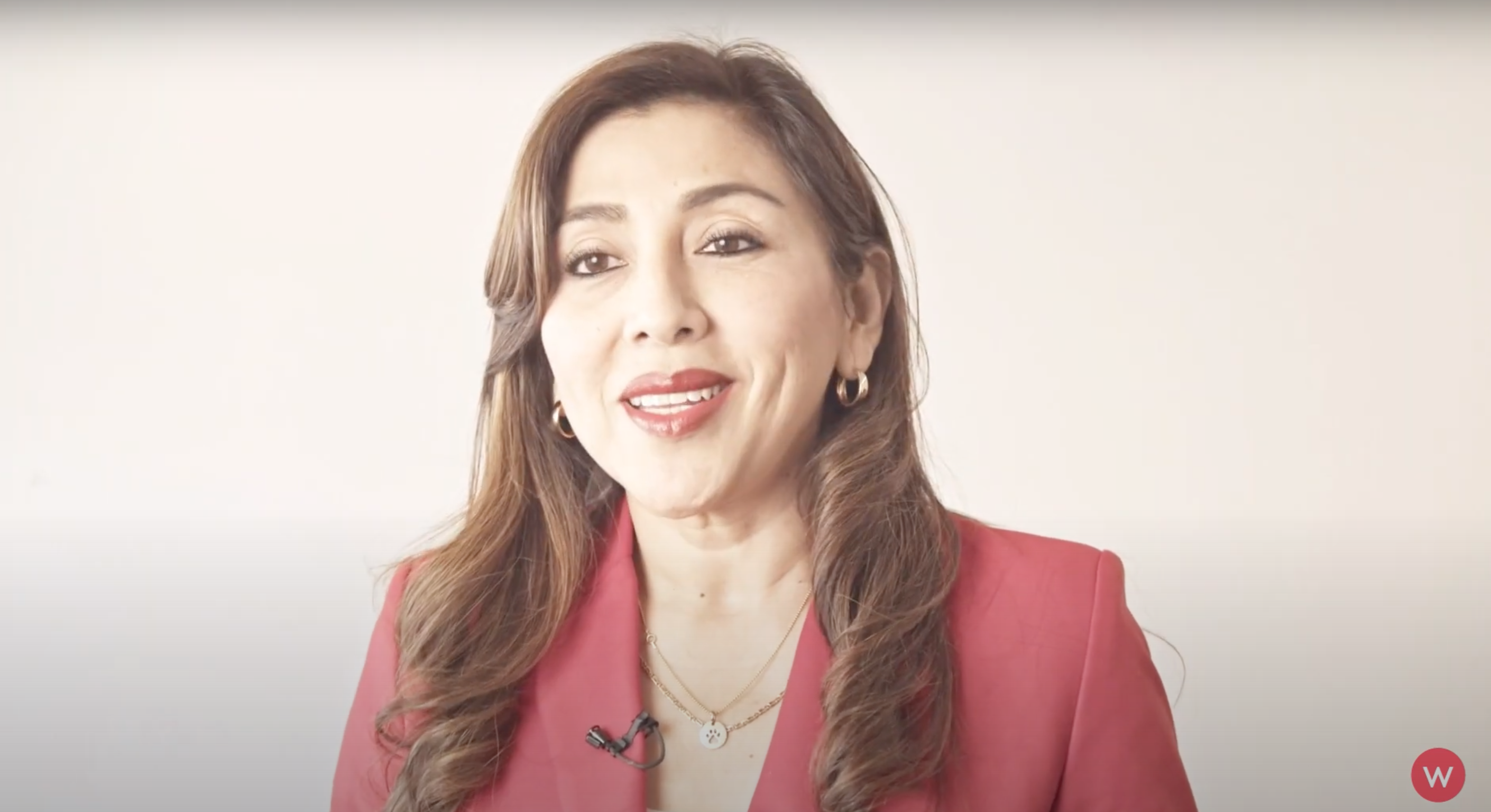

Women in politics, including Sen. Dianne Feinstein, face unique challenges when it comes to aging and family life.
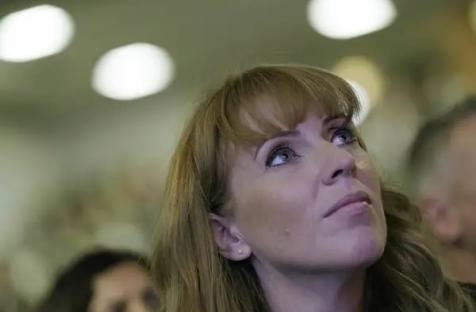
LONDON (AP) — Women from across British politics called Monday for action to tackle misogyny after a newspaper ran a story accusing the deputy opposition leader of trying to “distract” the prime minister during debates by crossing and uncrossing her legs.
This course, written by Dr Sonia Palmieri, explores why and how to build gender sensitive parliaments.
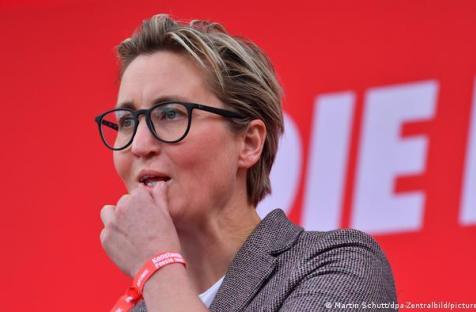
A little over a year after taking over the leadership of the Left party, Susanne Hennig-Wellsow is stepping down, citing private reasons and a need for party renewal. She also criticized the party's handling of sexism.
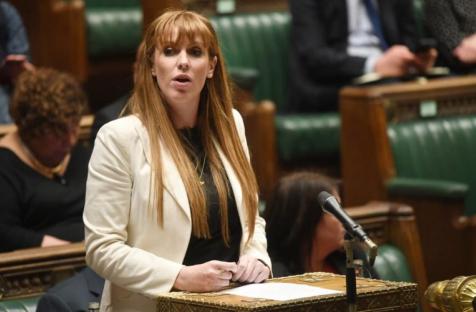
Basic Instinct’ attack on Angela Rayner condemned by Boris Johnson as ‘misogynistic tripe’