Introduction
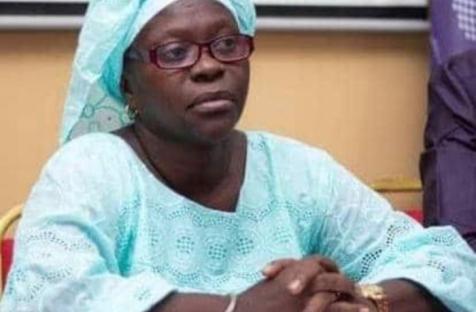
Theonila Roka Matbob, one of the most prominent female candidates in the Bougainville election, has lost her seat.
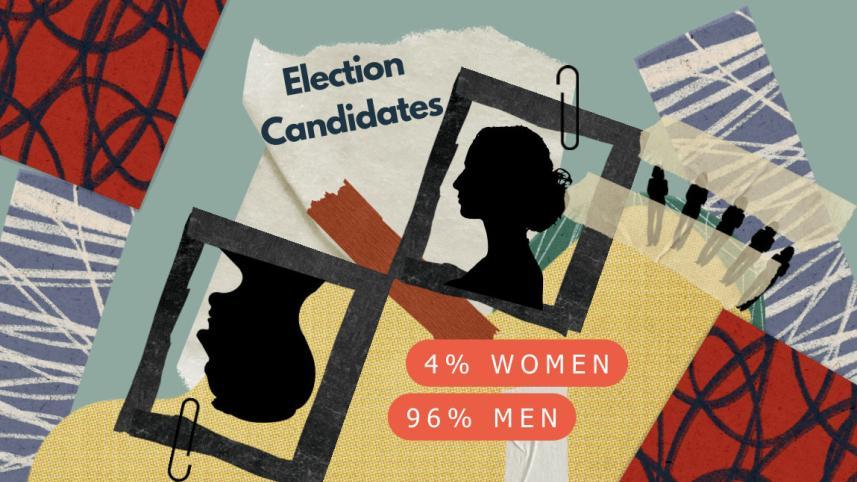
Women make up only 23.5% of Members of Parliament according to the latest available data of the Inter-Parliamentary Union. While significant strides in women’s political participation have been made since the adoption of the Beijing Platform for Action in 1995, which set Member States’ target of achieving gender balance in political decision-making, women are still underrepresented in political decision-making at all levels and gender balance remains an aspirational goal. Gains in women’s participation have been notable in countries that have taken proactive steps to support women’s political participation, including reforming or amending discriminatory laws, taking concrete action to address violence against women in politics and gender discrimination within parliaments, addressing gender-specific barriers, and supporting women in all forms of decision-making including at local level and in executive government.
Theonila Roka Matbob, one of the most prominent female candidates in the Bougainville election, has lost her seat.
Women face an uphill battle to political election, and they continue to confront barriers to success afterward. But the type of legislature in their states can make a difference.
An apparent bottleneck exists in women’s participation in politics: the number of female party members exceeds the number of female candidates, which in turn is almost double the number of women elected, who, on average, account for less than one-fifth of all winners at
OTTAWA, Ontario, Sept. 22, 2025 (GLOBE NEWSWIRE) -- Informed Perspectives reveals that Canada’s status as a global champion of gender equality is under serious threat.
Japan could soon see its first female prime minister, with Sanae Takaichi emerging among the front runners in the ruling Liberal Democratic Party’s leadership race, a significant achievement in a country where women leaders remain a rarity.
On Monday, the Supreme Court declined to entertain a plea seeking to expand the scope of the Protection of Women from Sexual Harassment at Workplace (POSH) Act, 2013, to include political parties.
Abstract
Monrovia – Liberia, in partnership with India, Brazil, South Africa, and UN Women, has launched a $1 million initiative aimed at strengthening women’s leadership and promoting gender-responsive governance.