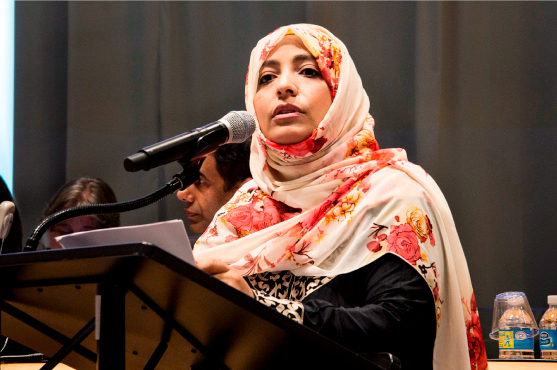
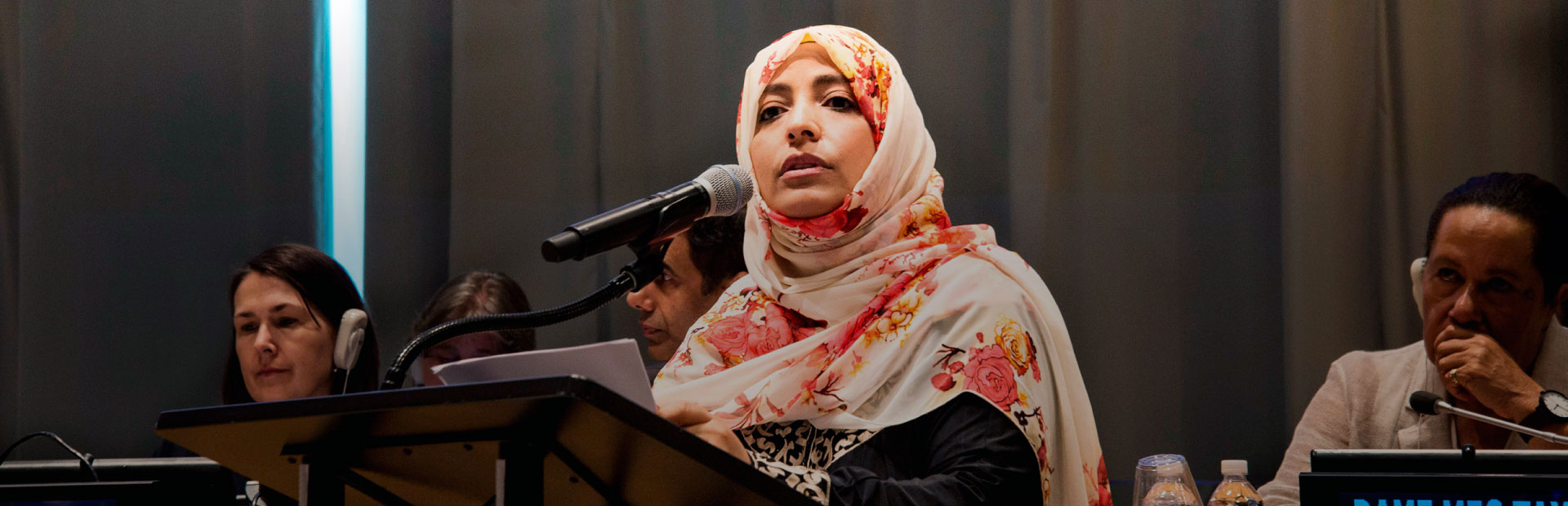
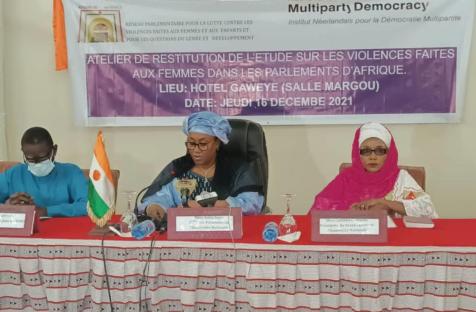
The United Nations has rallied the nation to stamp out widespread violence against women in politics (VAWP) across the country’s political divide during election period.
Women make up only 23.5% of Members of Parliament according to the latest available data of the Inter-Parliamentary Union. While significant strides in women’s political participation have been made since the adoption of the Beijing Platform for Action in 1995, which set Member States’ target of achieving gender balance in political decision-making, women are still underrepresented in political decision-making at all levels and gender balance remains an aspirational goal. Gains in women’s participation have been notable in countries that have taken proactive steps to support women’s political participation, including reforming or amending discriminatory laws, taking concrete action to address violence against women in politics and gender discrimination within parliaments, addressing gender-specific barriers, and supporting women in all forms of decision-making including at local level and in executive government.
The United Nations has rallied the nation to stamp out widespread violence against women in politics (VAWP) across the country’s political divide during election period.
This practical guide is intended to support the full range of parliamentary actors — from parliamentary leadership teams, members of parliament, and political and parliamentary staff, to parliamentary practitioners and civil society organizations dealing with gender e
The British High Commission, in partnership with the Commonwealth Parliamentary Association, Westminster Foundation for Democracy (WFD), UN Women and the Uganda Women Parliamentary Association (UWOPA) on December 07 launched the second cohort of their mentorship
Women in Congress feel besieged and singled-out amid surging threats against lawmakers at all levels, with some frustrated more hasn't been done to halt the trend.
The threats arrive by mail, email, voicemail and social media. Hateful comments are shouted out of a car window or in line at the grocery store. More than ever before, the threats come home, in the form of protests or strangers circling the block.
The addition of identity types to ACLED data on political violence targeting women sheds new light on the threats to women’s participation in political processes, such as running for or holding office, supporting or voting for political candidates, leading human right
Contrary to popular belief, the performance of Women legislators in both Houses remained remarkable and in Parliament’s history they presented a significant number of 133 bills for legislative business in just four years (2018 to 2021).
As women's influence in politics grows, so have the threats and coercion they have faced, according to a Rutgers scholar's grim analysis.
Kwara State Governor, Abdulrahman Abdulrazaq, has signed into law a bill that makes it mandatory to have at least 35 per cent women appointees in the State Executive Council and other classes of political appointments.