Parliaments & Representatives

Women make up only 23.5% of Members of Parliament according to the latest available data of the Inter-Parliamentary Union. While significant strides in women’s political participation have been made since the adoption of the Beijing Platform for Action in 1995, which set Member States’ target of achieving gender balance in political decision-making, women are still underrepresented in political decision-making at all levels and gender balance remains an aspirational goal.  Gains in women’s participation have been notable in countries that have taken proactive steps to support women’s political participation, including reforming or amending discriminatory laws, taking concrete action to address violence against women in politics and gender discrimination within parliaments, addressing gender-specific barriers, and supporting women in all forms of decision-making including at local level and in executive government.

Show on Home Page
Yes
Image
Icon
Banner Image

Sexism, harassment and violence against women in parliaments in Africa

Back
November 24, 2021

Sexism, harassment and violence against women in parliaments in Africa

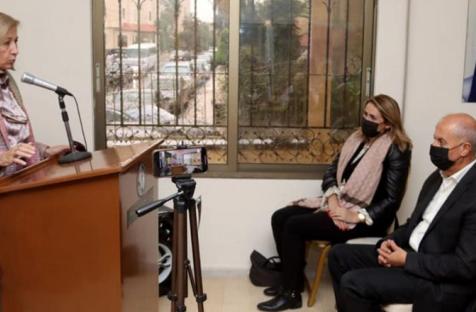
The present regional study, the second in the series, focuses on parliaments in Africa and was carried out in partnership with the African Parliamentary Union (APU).

The present regional study, the second in the series, focuses on parliaments in Africa and was carried out in partnership with the African Parliamentary Union (APU).

Build back equal: New handbook on gender-responsive legislation (copyright: Allison Joyce/Getty Images via AFP - IPU)
November 22, 2021
Build back equal: New handbook on gender-responsive legislation

Lawmakers around the world have a new resource to help them address gender inequality with the publication of the new IPU and UN Women Handbook on gender-responsive law making.

New handbook on gender-responsive legislation

Back
November 22, 2021

New handbook on gender-responsive legislation

This Handbook aims to serve as a resource for lawmakers from around the world for designing gender-responsive laws.

This Handbook aims to serve as a resource for lawmakers from around the world for designing gender-responsive laws.

Increasing the cost of female representation? The gendered effects of harassment, abuse and intimidation towards Parliamentary candidates in the UK

Back
November 12, 2021

Increasing the cost of female representation? The gendered effects of harassment, abuse and intimidation towards Parliamentary candidates in the UK

Recently, the issue of harassment and intimidation of women in politics in long-established democracies has become a source of concern.

Recently, the issue of harassment and intimidation of women in politics in long-established democracies has become a source of concern.

November 8, 2021
Raffaella Petrini: Italian nun first woman appointed by Pope to lead Vatican governorate

Pope Francis has appointed the first-ever woman to head the governorate of the Vatican City. Sister Raffaella Petrini will serve as secretary-general of the Governorate and become the highest-ranking woman in the world's smallest state.

The #SHEcurity Index - Edition 2021

Back
November 5, 2021

The #SHEcurity Index - Edition 2021

Political decisions get better the more diverse the people are who make them. That is especially true in deeply divided societies, in countries that want to move from war to peace.

Political decisions get better the more diverse the people are who make them. That is especially true in deeply divided societies, in countries that want to move from war to peace.

November 1, 2021
Trudeau shuffles Canadian cabinet, maintains gender balance

Maintaining that he intends to lead his party into the next election, Canadian Prime Minister Justin Trudeau Tuesday overhauled his gender balanced cabinet, naming women to the foreign affairs and defense posts.

Gender quotas fail to boost women in Latin American politics

Back
September 23, 2021

Gender quotas fail to boost women in Latin American politics

Latin America’s first gender quota was supposed to increase women’s presence in politics. Thirty years later, that vision has stagnated.

Latin America’s first gender quota was supposed to increase women’s presence in politics. Thirty years later, that vision has stagnated.