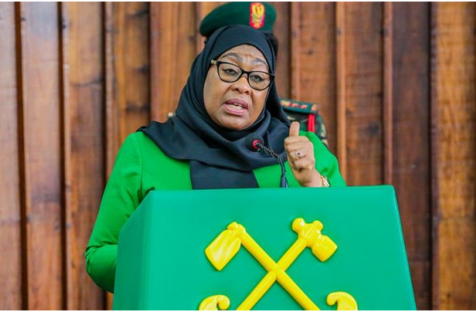
Tanzania, in keeping with global political trends, reserves 30 percent of seats in parliament for women.
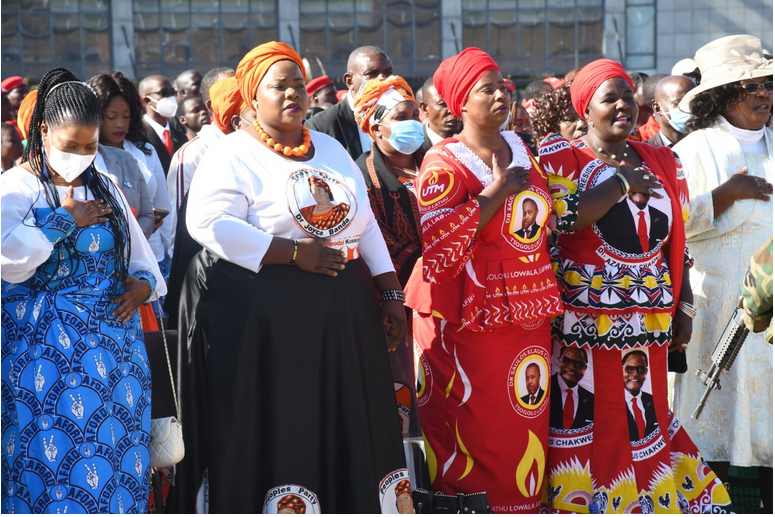
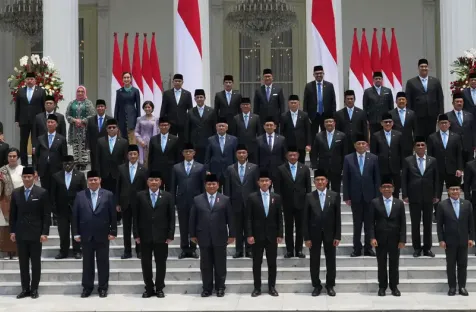
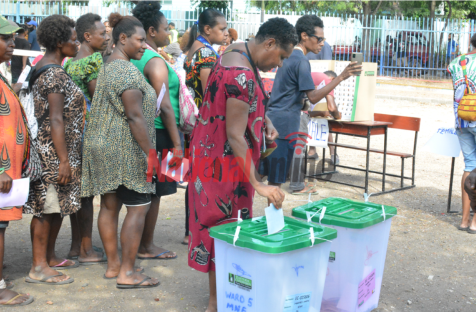
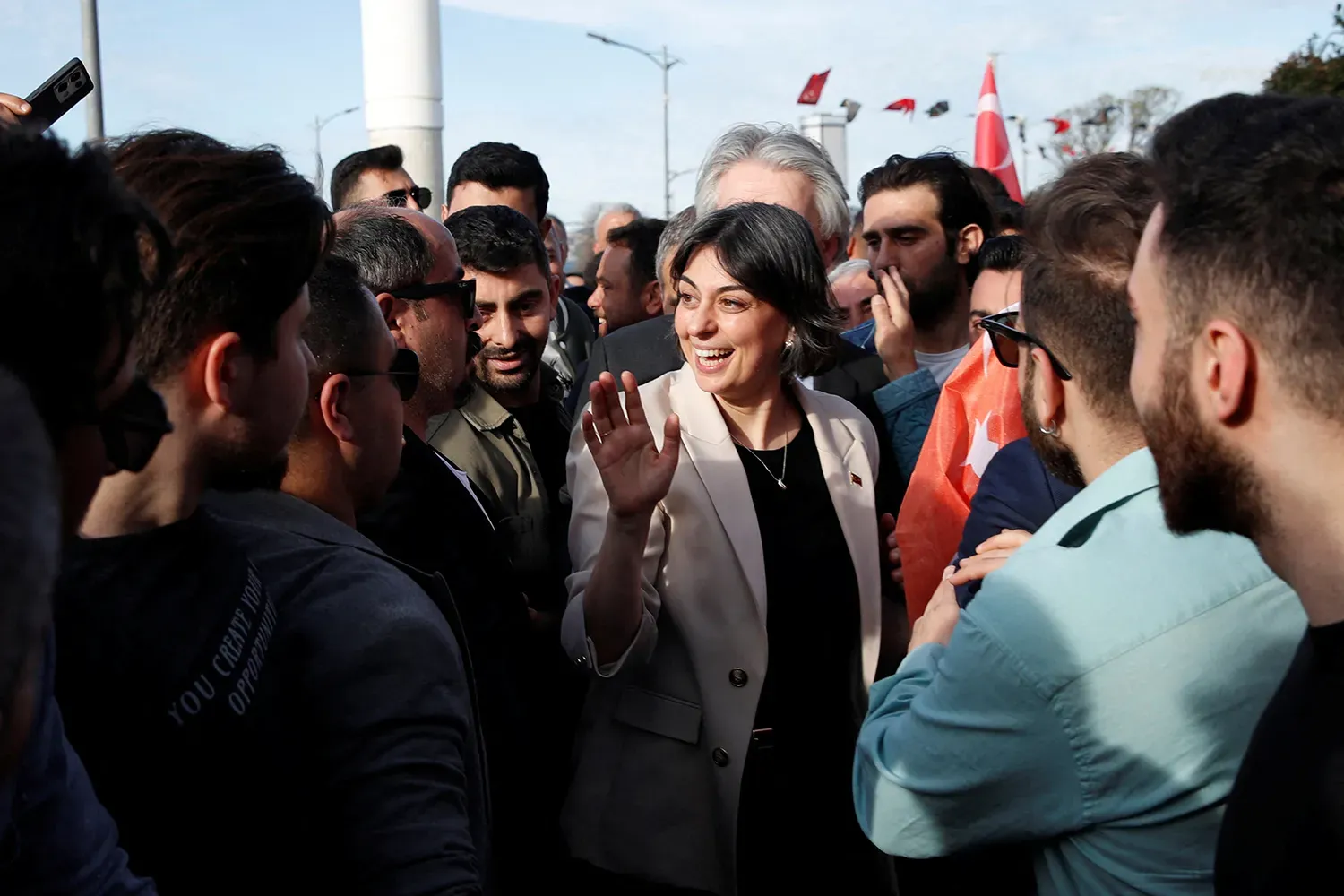
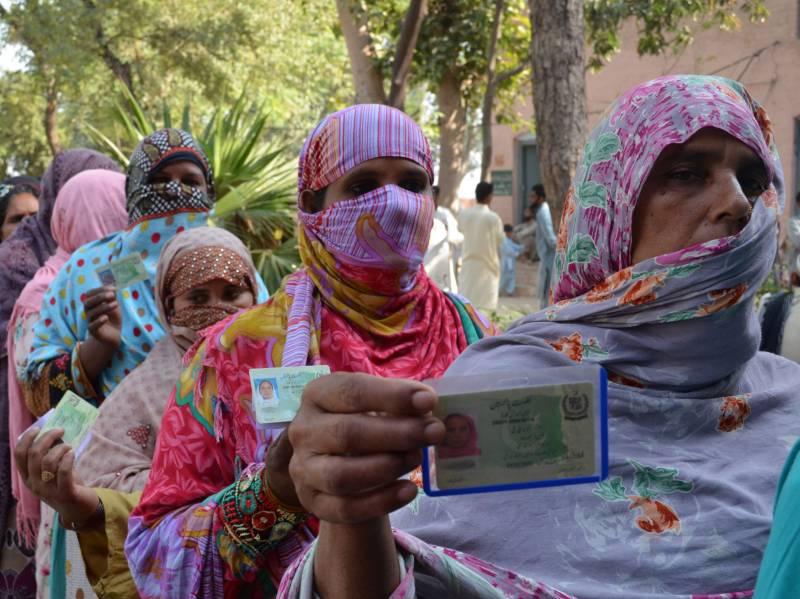
Enhancing women’s political participation requires commitment and proactive engagement of political parties to integrate women’s perspectives into party platforms, ensure that women have equal and safe access to voting, and that women candidates and their advancement in party structures are supported. This includes: proactive outreach to and training women candidates, active measures to prevent violence against women in politics, and providing equitable access to campaign funds and fundraising support. To act meaningfully on these areas and others, political parties can develop concrete gender equality strategies, reform policies, codes of conduct and practices, and conduct regular gender audits.
Tanzania, in keeping with global political trends, reserves 30 percent of seats in parliament for women.
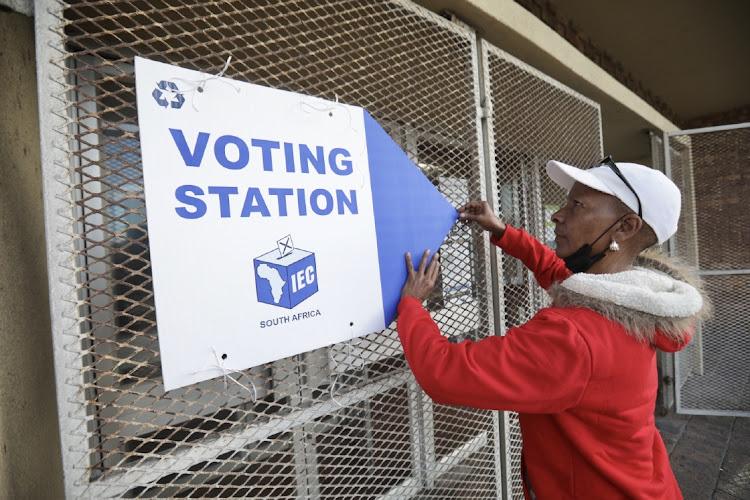
Political party representatives were put in the hot seat during IOL’s Elections Panel Discussion on Wednesday at the Radisson Blu Hotel in uMhlanga when asked why there are fewer women in politics, especially in leadership positions.
The Japanese Communist Party (JCP) chose Tomoko Tamura as its first-ever female leader Thursday, apparently in the hope of broadening its support base and attracting a wider array of voters.
The Democratic Progressive Party (DPP) yesterday presented its slate of 18 female legislator-at-large nominees and outlined its policies on gender equality.
Why do women continue to be under-represented in politics?
The Women’s Reservation Bill was introduced in Lok Sabha on 21st September and became law on 29th September with the approval of the President of India.
Although women have come out of backwardness, there is still a long way to go.
Professor Sanjay Kumar, Director of the Centre for the Study of Developing Societie