Women's Leadership
While there have been important advances in women’s leadership in politics, as of November 1 2017, women make up only 7.2% of Heads of State and 6.2% Heads of Government. Data on women representatives in local government, including as mayors, heads of villages and towns, is not well collected and analyzed. The adoption of an SDG indicator on women’s representation in local government is a great step forward in tracking progress on gender balance, allowing for the systematic collection and analysis of data on women in local government. Women’s access to and continued role in leadership positions is challenged by a range of barriers, including discriminatory laws and practices, as well as social norms that prescribe traditional roles and attitudes towards women’s participation in leadership and decision-making roles. Proactive gender-equality policies within political parties and local government structures, including quotas and special temporary measures, gender-sensitive approaches to electoral processes, support networks, mentoring, training, and engagement of male champions, can all help promote women’s role in political leadership.
Show on Home Page
Yes
Image
Icon

Banner Image

Men overwhelmingly dominate the decision-making on Covid-19

Men are making most of the decisions related to the coronavirus pandemic -- a disturbing pattern that could be costing lives.

October 8, 2020
Progress towards gender equality under threat, world leaders warn as UNGA marks 25th anniversary of landmark women’s rights conference
Twenty‑five years after the landmark Fourth World Conference on Women, global societies need an unqualified push to meet the elusive promise of gender equality that had brought millions to Beijing in 1995 to demand action, Secretary‑General António Guterres told a High‑level General Assembly meet
Why Malaysia needs more young leaders in Parliament

In his paper “Does it matter that politicians are older than their constituents? Yes.”, Harvard postdoctoral fellow Charles T McClean posits: “Young people are under-represented in most political institutions. Over half of the world’s voters are under 40, compared to just 14% of MPs.”
Violence against women in politics a growing problem

While women have made significant inroads into politics in recent years, their involvement has spurred attacks, intimidation and harassment in many parts of the world, says Mona Lena Krook, a professor of political s
Kate Forbes 'mansplaining' case shows legacy women in politics must overcome

A FEW months back, a male Twitter user jokingly posited an idea for a new reality show, where people who know nothing about a given subject or skill would explain it to you. Perhaps to his surprise, the punchline came in the form of the replies. “That already exists.
Kamala Harris’s Ambition Trap

In her 2019 memoir, The Truths We Hold: An American Journey, Kamala Harris talks about how, during her first run for office—for San Francisco district attorney, in 2002—she taught herself to campaign.

October 7, 2020
Japanese lawmaker’s comments on sexual assault spark calls for more female representation in politics
A Japanese lawmaker has apologized for claiming that women can lie about sexual assault. The comments sparked an online petition and have led to calls for increased diversity in the country’s male-dominated politics.
Summary of the e-Discussion on Women's Participation in Public Life
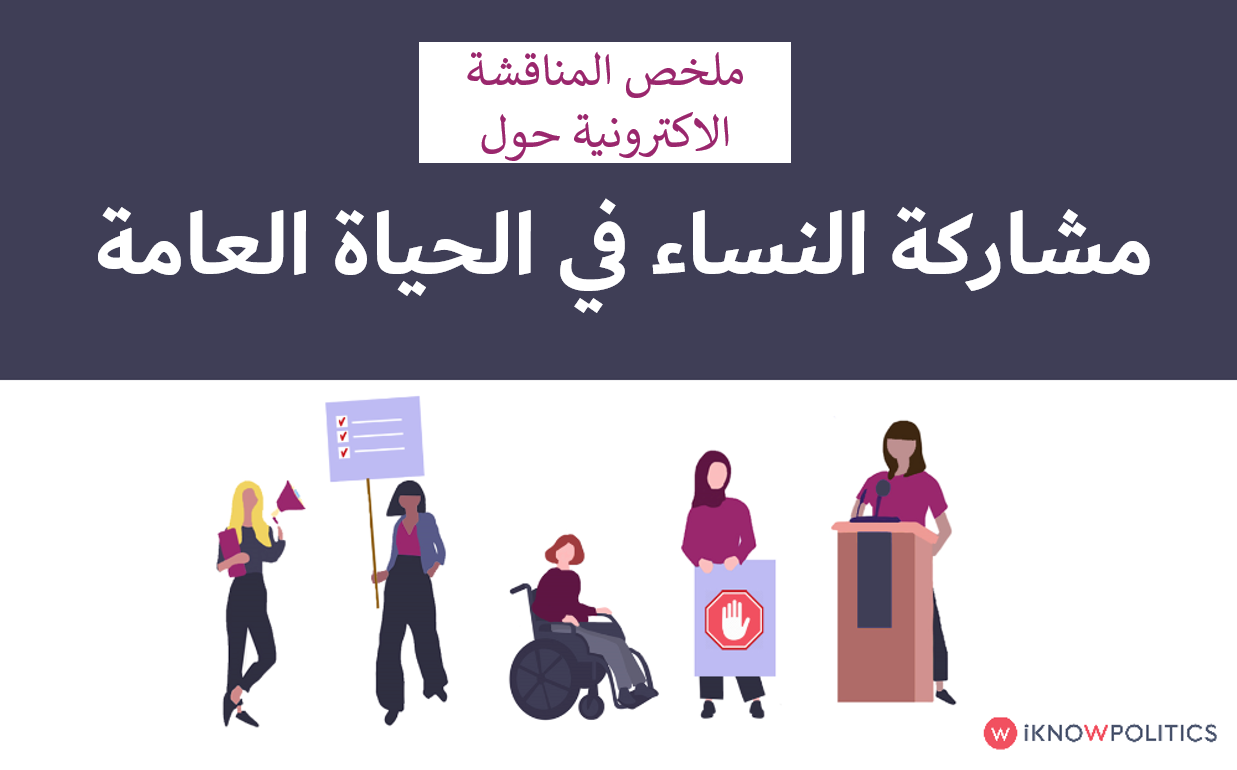
This e-Discussion raised awareness on the different ways and forms women participate in public life outside of formal political institutions, such as in women’s and feminist movements, civic demonstrations and initiatives and online activism.