Building gender-equal democracies requires both political representation and economic justice

By Saskia Brechenmacher,
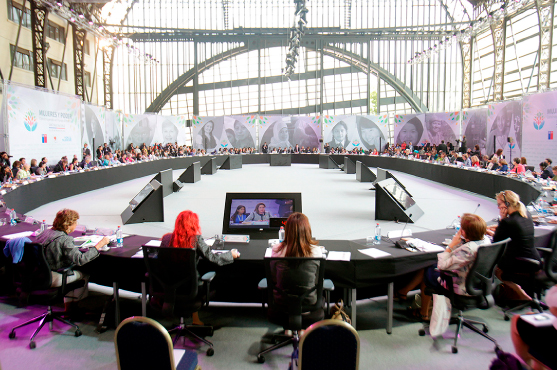
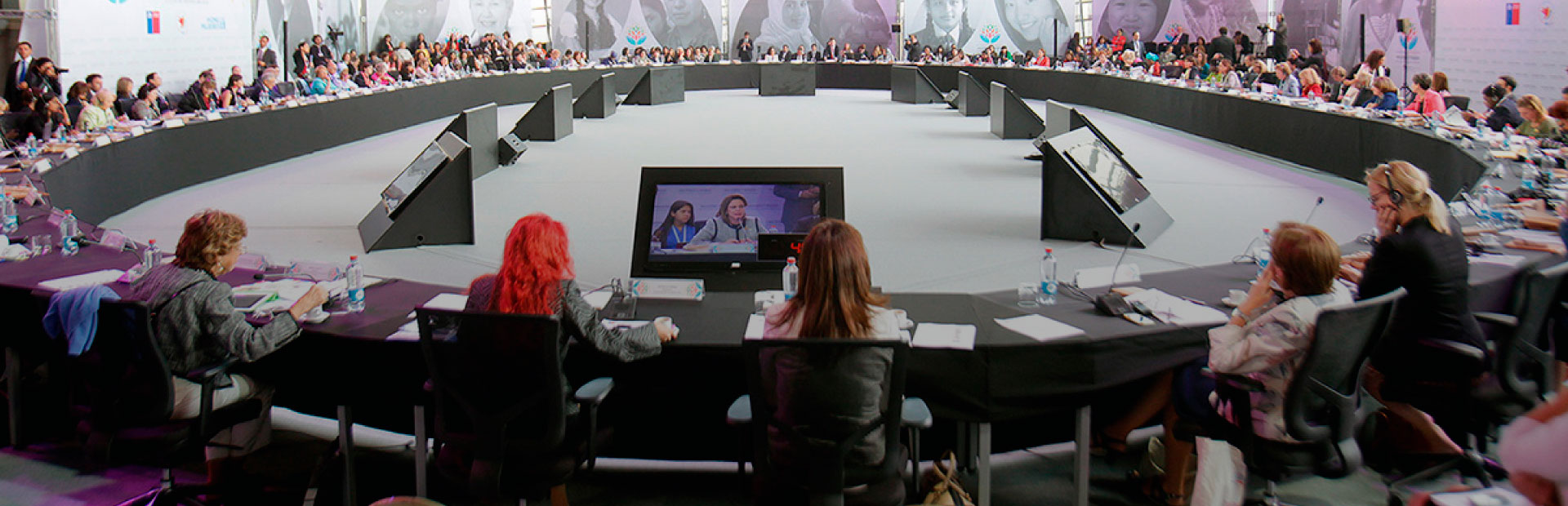
While there have been important advances in women’s leadership in politics, as of November 1 2017, women make up only 7.2% of Heads of State and 6.2% Heads of Government. Data on women representatives in local government, including as mayors, heads of villages and towns, is not well collected and analyzed. The adoption of an SDG indicator on women’s representation in local government is a great step forward in tracking progress on gender balance, allowing for the systematic collection and analysis of data on women in local government. Women’s access to and continued role in leadership positions is challenged by a range of barriers, including discriminatory laws and practices, as well as social norms that prescribe traditional roles and attitudes towards women’s participation in leadership and decision-making roles. Proactive gender-equality policies within political parties and local government structures, including quotas and special temporary measures, gender-sensitive approaches to electoral processes, support networks, mentoring, training, and engagement of male champions, can all help promote women’s role in political leadership.

By Saskia Brechenmacher,

The Kenyan political system is in crisis.
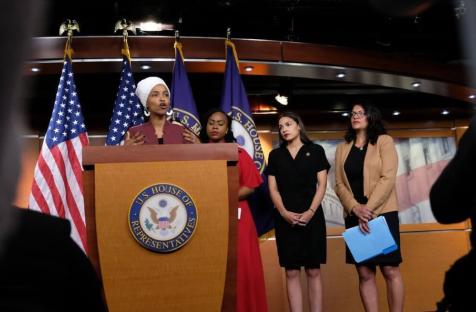
A group of Democratic U.S.
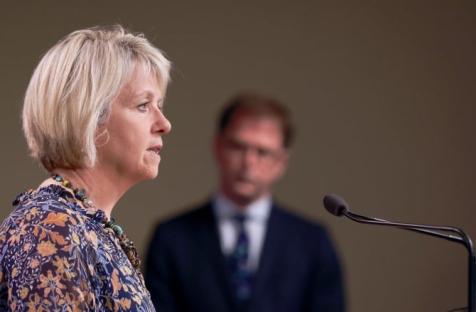
The revelation that B.C.'s provincial health officer has received death threats comes as no surprise to some women leaders who say this kind of abuse is a widespread problem.
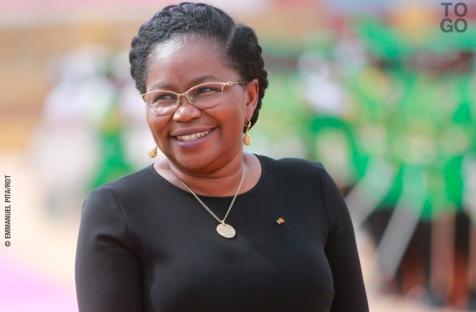
Togo's President Faure Gnassingbe on Monday named the first-ever female prime minister to head the government in the West African nation.
Victoire Tomegah Dogbe, 60, replaces Komi Selom Klassou, who resigned on Friday.

Kenya faces a historic decision to close parliament for failing to enact rules on fair gender representation in public bodies.

A total of 26 women stood as candidates at the 2019 Solomon Islands national general election and, for the first time since independence, two women won seats in the national parliament.
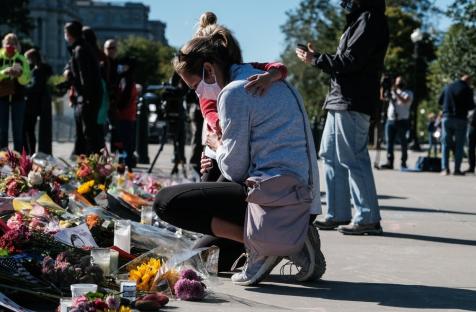
Justice Ruth Bader Ginsburg will lie in state in the United States Capitol on Friday, an unusual honor for a Supreme Court justice and one that has never before been granted to a woman.
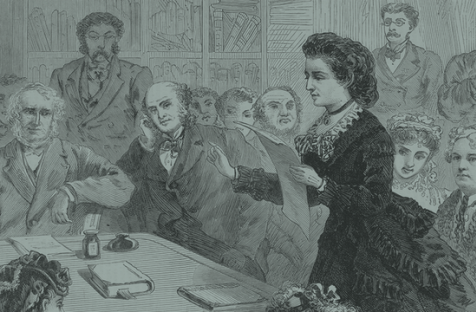
The first woman to formally declare herself a candidate for president of the United States did not build a national campaign or make a splash in debates. In fact, when Victoria Woodhull ran for office in 1872, she could not even vote for herself.