‘If not now, when?’: Black women seize political spotlight

The little girl ran up to her, wide-eyed and giddy.
“Are you Charisse Davis?” the fourth grader asked.
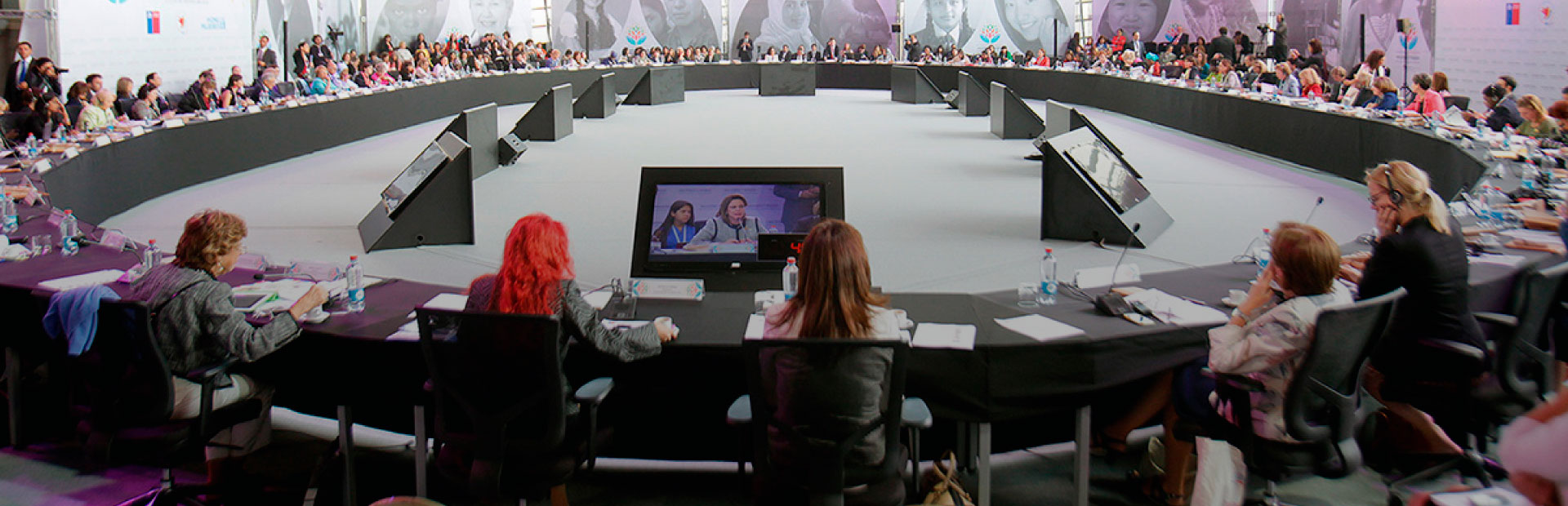
While there have been important advances in women’s leadership in politics, as of November 1 2017, women make up only 7.2% of Heads of State and 6.2% Heads of Government. Data on women representatives in local government, including as mayors, heads of villages and towns, is not well collected and analyzed. The adoption of an SDG indicator on women’s representation in local government is a great step forward in tracking progress on gender balance, allowing for the systematic collection and analysis of data on women in local government. Women’s access to and continued role in leadership positions is challenged by a range of barriers, including discriminatory laws and practices, as well as social norms that prescribe traditional roles and attitudes towards women’s participation in leadership and decision-making roles. Proactive gender-equality policies within political parties and local government structures, including quotas and special temporary measures, gender-sensitive approaches to electoral processes, support networks, mentoring, training, and engagement of male champions, can all help promote women’s role in political leadership.


The little girl ran up to her, wide-eyed and giddy.
“Are you Charisse Davis?” the fourth grader asked.

Nigerian women have therefore over the years become targets of violence of diverse forms based on their positions in promoting transformative politics.

Despite enormous strides in business, government and other areas, women don’t always get the respect men do for their leadership abilities, even when they can boast greater accomplishments.

This Guidance Note builds on the detailed recommendations made in the first ever global, member-state led Handbook on Governance Statistics published in early 2020 by the Praia Group on Governance Statistics.

It was a historic day.

Congress’ lone female MP in Chhattisgarh, Jyotsna Mahant’s entry in politics is a result of nepotism. It’s the same as how several women who belong to political parties enter politics, but what is unique about her is that she has already been working in social work for close to four decades now.

Lawmakers who were vying to lead the ruling Liberal Democratic Party including Chief Cabinet Secretary Yoshihide Suga, who won the overwhelming support of the party’s members, have vowed to continue outgoing Prime Minister Shinzo Abe’s push to empower women and raise their share of leadership rol

Urmila Singh has been helping women in Bihar nurture their political ambitions for over two decades now.

As far as abilities go, women have shown their prowess time and again. Women are not inferior to men in any field. As prime ministers, industrialists, sportspersons or doctors, they have proved their mettle in every profession. But there is a reason why they need to be empowered politically.