In the next 100 years, women may dominate US politics

When it comes to women and power in America, 2020 is a landmark, but also a question.
While there have been important advances in women’s leadership in politics, as of November 1 2017, women make up only 7.2% of Heads of State and 6.2% Heads of Government. Data on women representatives in local government, including as mayors, heads of villages and towns, is not well collected and analyzed. The adoption of an SDG indicator on women’s representation in local government is a great step forward in tracking progress on gender balance, allowing for the systematic collection and analysis of data on women in local government. Women’s access to and continued role in leadership positions is challenged by a range of barriers, including discriminatory laws and practices, as well as social norms that prescribe traditional roles and attitudes towards women’s participation in leadership and decision-making roles. Proactive gender-equality policies within political parties and local government structures, including quotas and special temporary measures, gender-sensitive approaches to electoral processes, support networks, mentoring, training, and engagement of male champions, can all help promote women’s role in political leadership.



When it comes to women and power in America, 2020 is a landmark, but also a question.
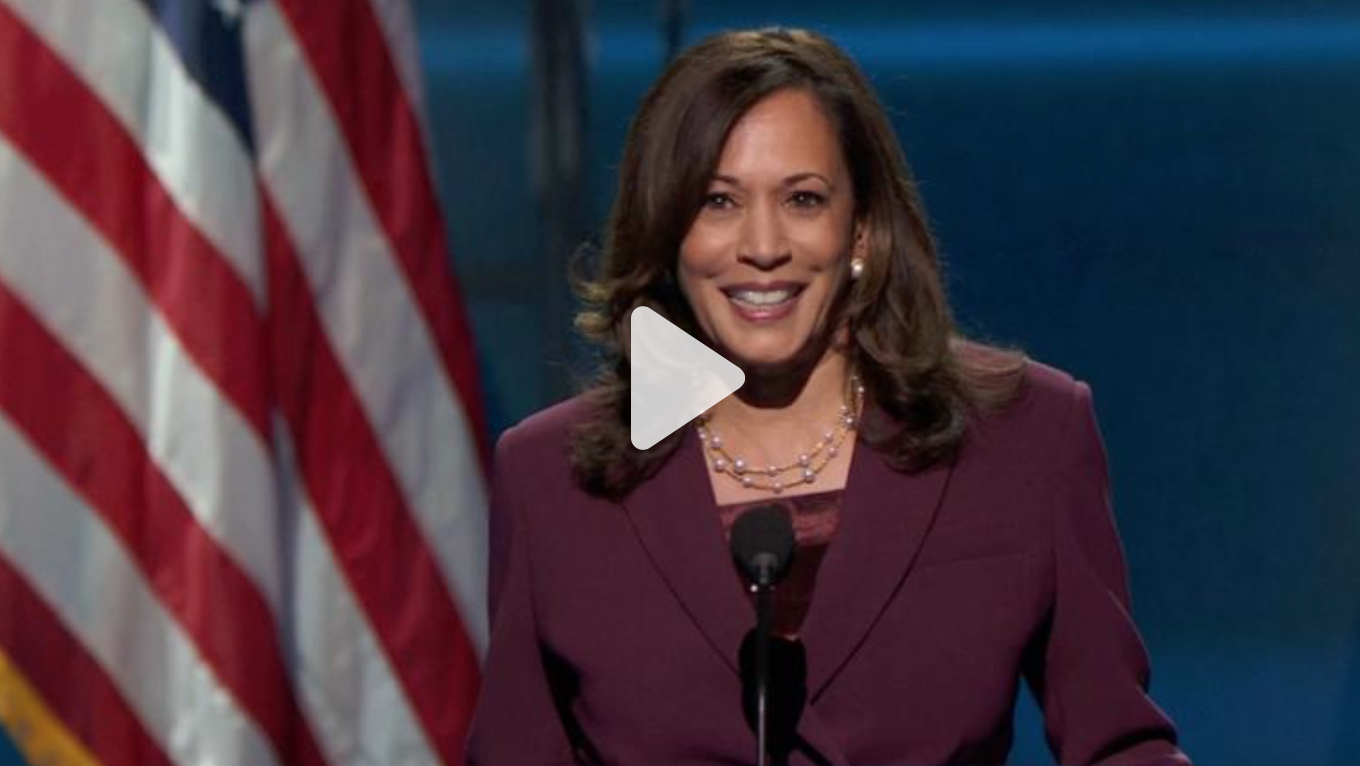
When it comes to women and power in America, 2020 is a landmark, but also a question.

Background
Women’s right to equal opportunities and participation in public life is guaranteed by international agreements such as the Convention on the Elimination of All Forms of Discrimination against Women, the Beijing Platform for Action, and the Sustainable Development Goals. Women are active in both the formal and informal public spaces, including in social and political movements as civil society activists, political candidates and leaders, and peace negotiators.
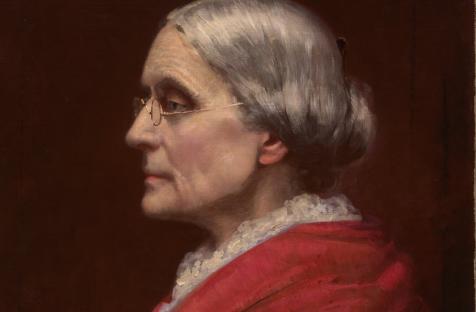
On Tuesday, President Trump officially pardoned leading suffragist Susan B. Anthony, who died in 1906.
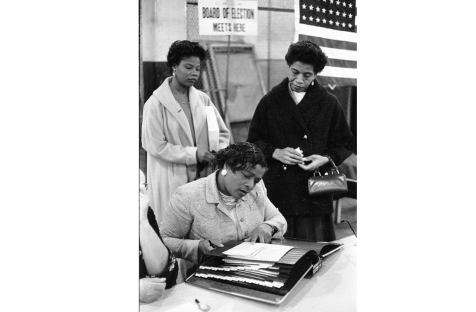
When the 19th Amendment became law on August 26, 1920, 26 million adult female Americans were nominally eligible to vote.
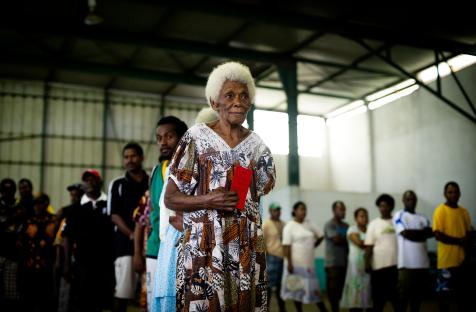
Despite strong efforts to promote female leadership and political engagement by advocacy groups, women still face serious roadblocks to political

On Aug.