South Korea is regularly ranked lowest in the developed world for gender equality, but for the first time a feminist party is seeking parliamentary seats at Wednesday’s election, accusing the political establishment of having failed women.
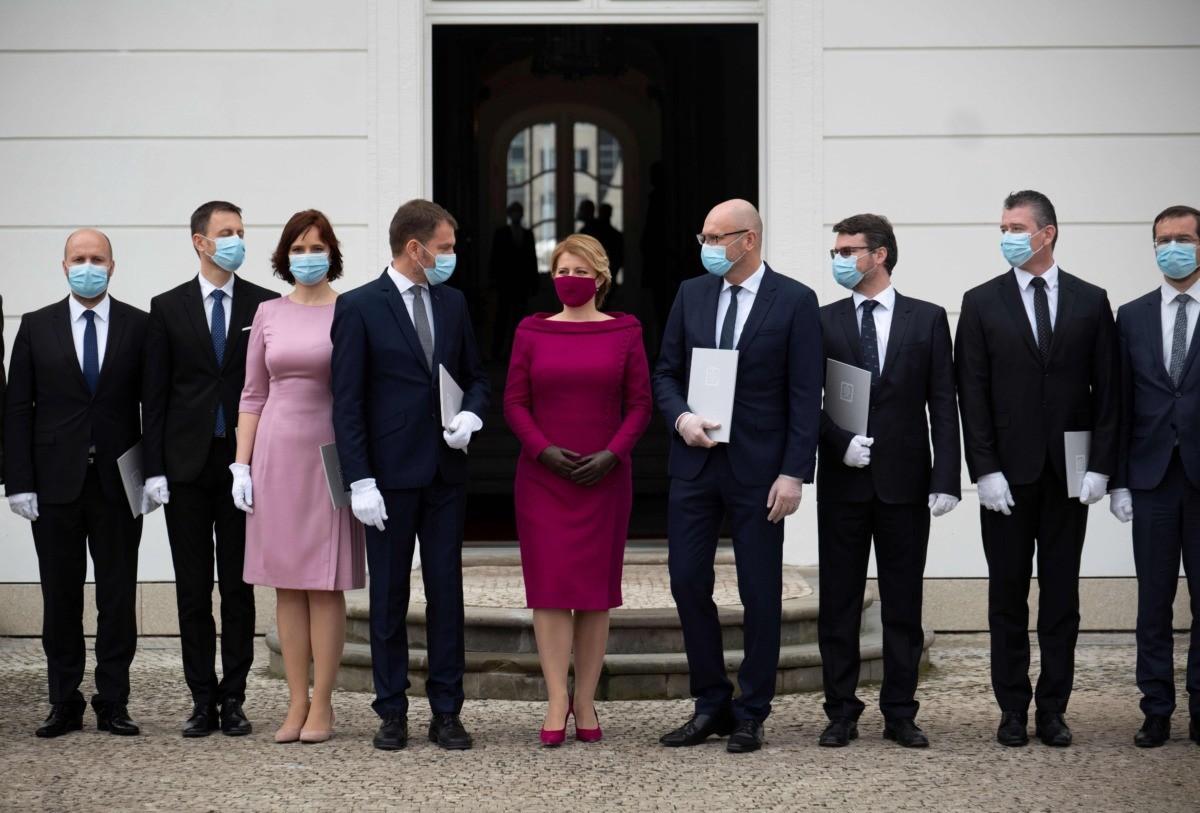
While there have been important advances in women’s leadership in politics, as of November 1 2017, women make up only 7.2% of Heads of State and 6.2% Heads of Government. Data on women representatives in local government, including as mayors, heads of villages and towns, is not well collected and analyzed. The adoption of an SDG indicator on women’s representation in local government is a great step forward in tracking progress on gender balance, allowing for the systematic collection and analysis of data on women in local government. Women’s access to and continued role in leadership positions is challenged by a range of barriers, including discriminatory laws and practices, as well as social norms that prescribe traditional roles and attitudes towards women’s participation in leadership and decision-making roles. Proactive gender-equality policies within political parties and local government structures, including quotas and special temporary measures, gender-sensitive approaches to electoral processes, support networks, mentoring, training, and engagement of male champions, can all help promote women’s role in political leadership.
South Korea is regularly ranked lowest in the developed world for gender equality, but for the first time a feminist party is seeking parliamentary seats at Wednesday’s election, accusing the political establishment of having failed women.
Ruth B. Mandel was an infant when she and her parents fled Germany on the eve of World War II. They were among the 937 passengers, almost all of them Jewish refugees, aboard the ocean liner St.
By Uri Friedman,
By Uri Friedman,
Why do we still rarely see mothers, especially those with young children, represented in parliament?
By Rick Zedník,
By Rick Zedník,
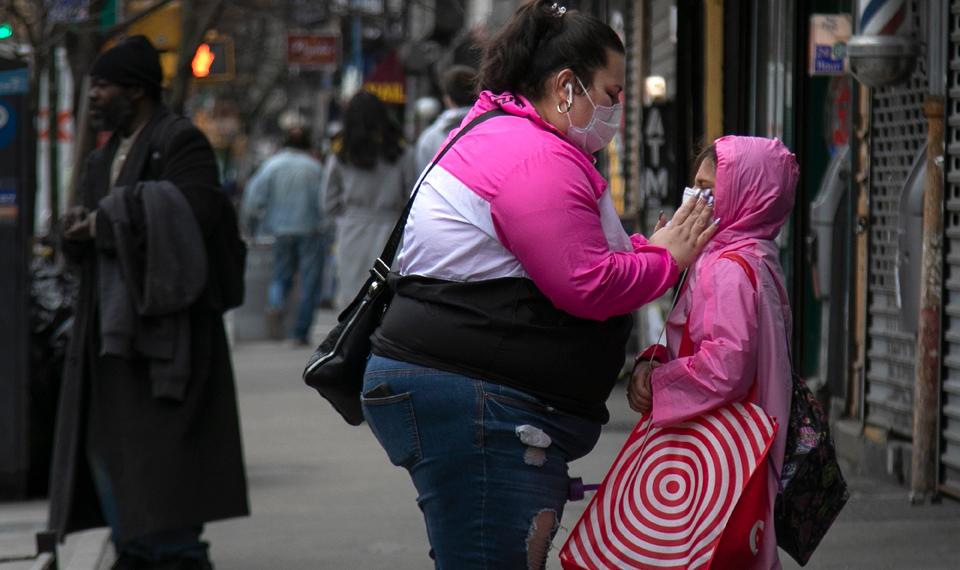
The coronavirus pandemic deepens existing inequalities in our societies. It exposes an increasing number of women to gender-based violence.
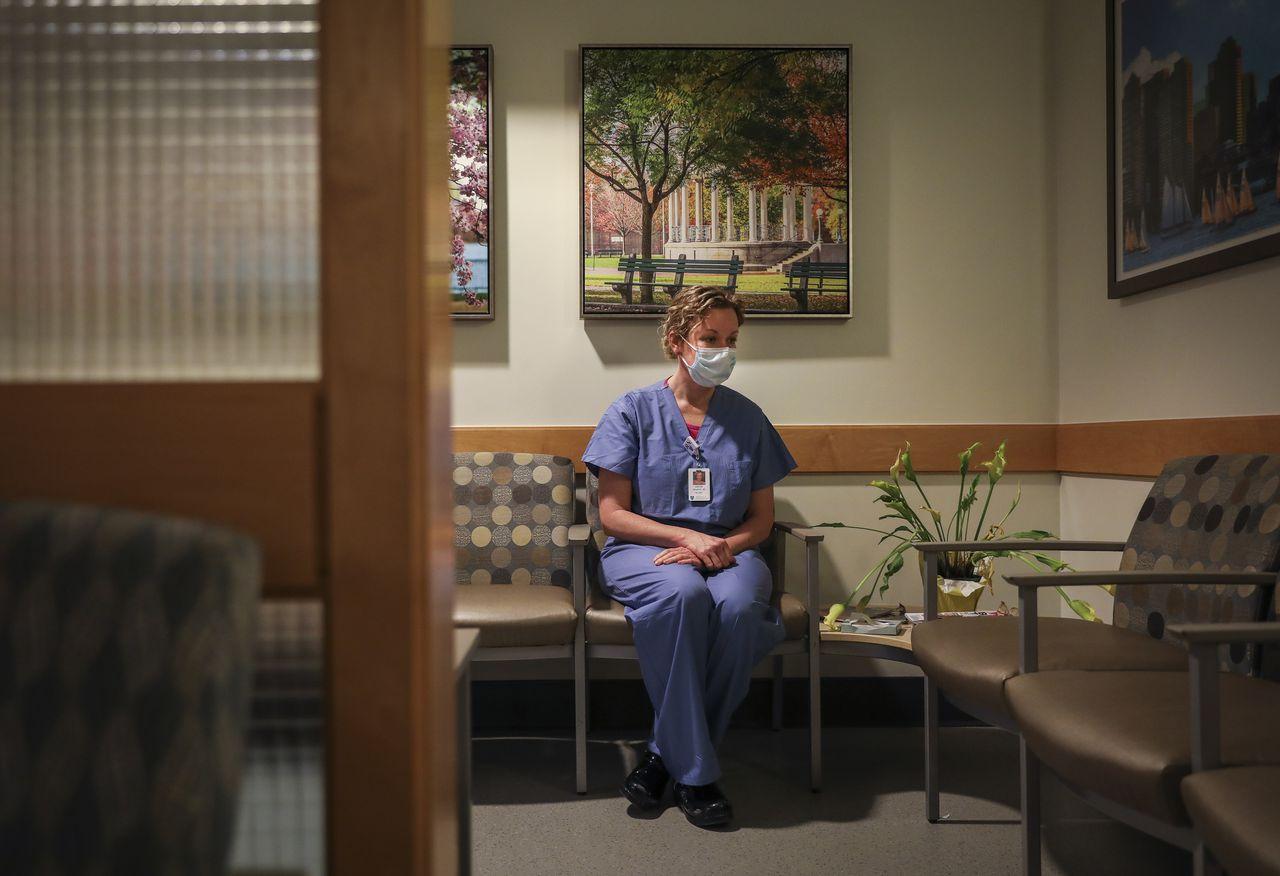
The COVID-19 pandemic is causing untold human suffering and is likely to heighten gender-based inequalities around the world. As economic activity comes to a halt, women who face disadvantage in access to decent work will suffer the most.
Crisis management or emergency situations such as COVID-19 can have serious impacts on the lives of women and girls, if gender dimensions are not considered.