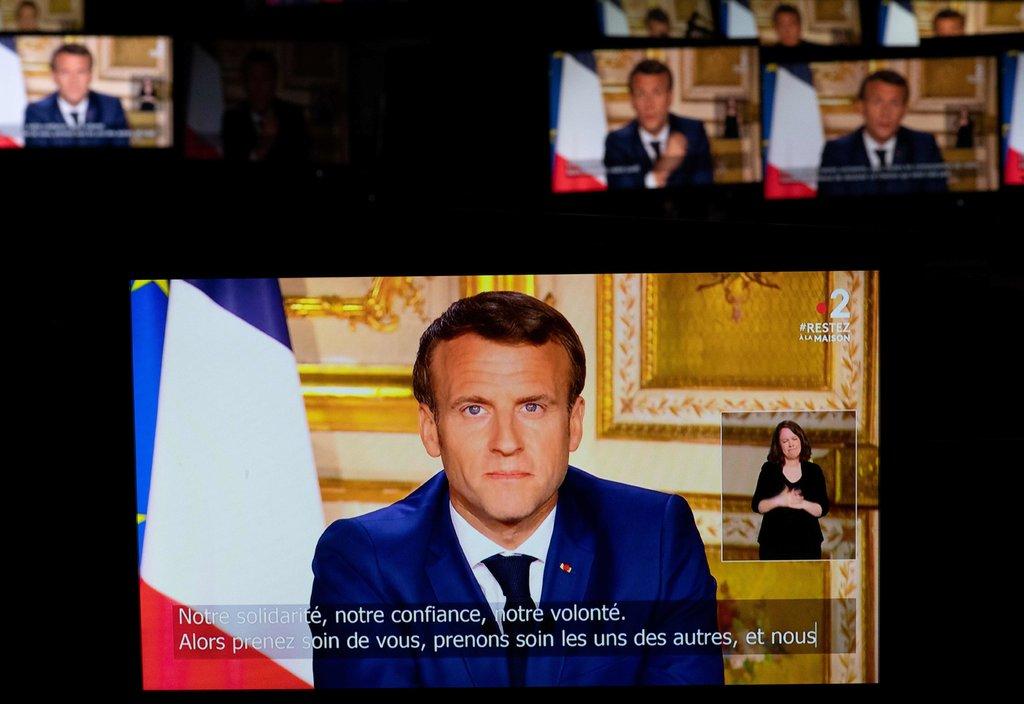
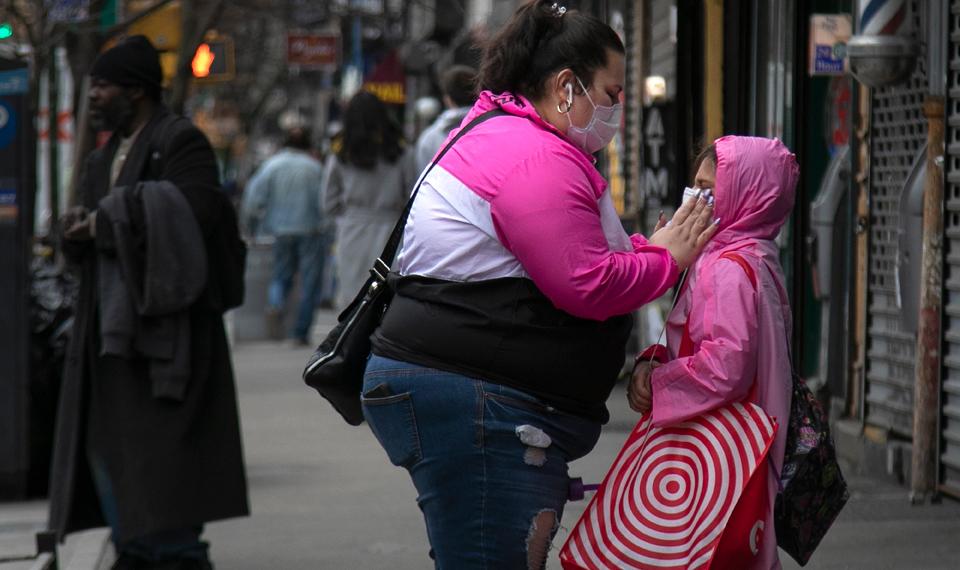
The pandemic recasts gender inequality

By Cathy Young,
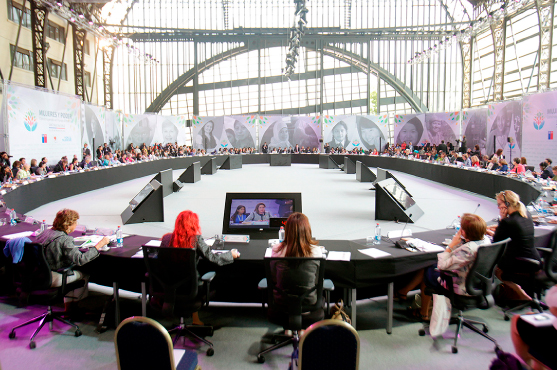
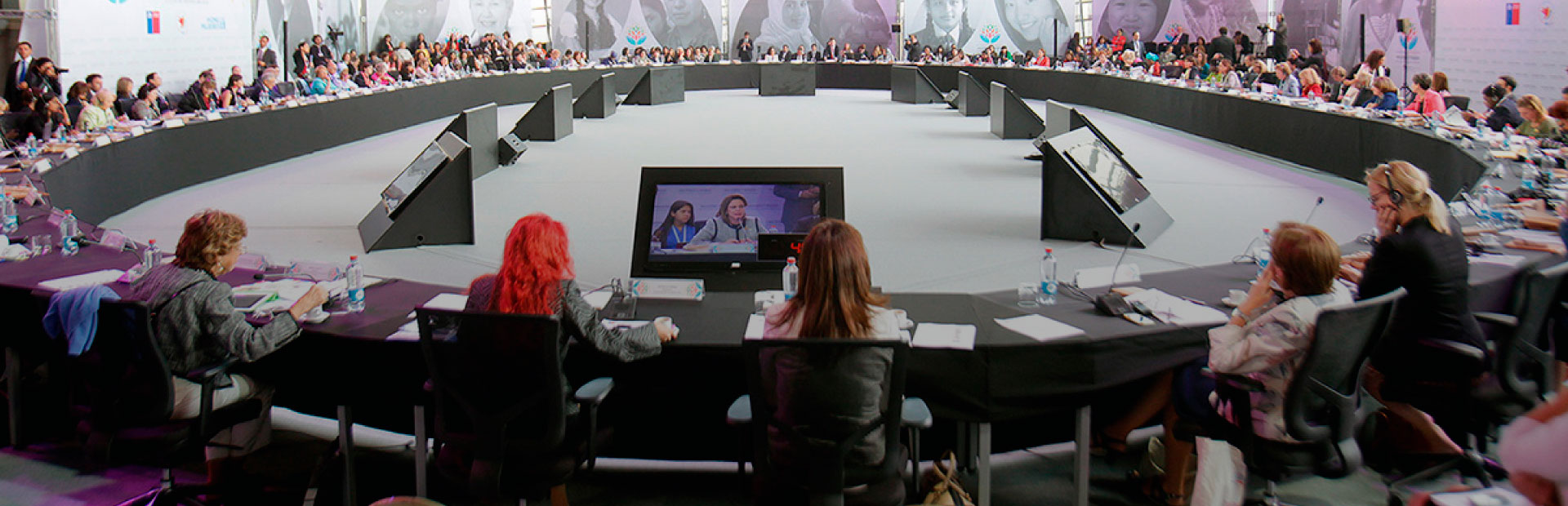
While there have been important advances in women’s leadership in politics, as of November 1 2017, women make up only 7.2% of Heads of State and 6.2% Heads of Government. Data on women representatives in local government, including as mayors, heads of villages and towns, is not well collected and analyzed. The adoption of an SDG indicator on women’s representation in local government is a great step forward in tracking progress on gender balance, allowing for the systematic collection and analysis of data on women in local government. Women’s access to and continued role in leadership positions is challenged by a range of barriers, including discriminatory laws and practices, as well as social norms that prescribe traditional roles and attitudes towards women’s participation in leadership and decision-making roles. Proactive gender-equality policies within political parties and local government structures, including quotas and special temporary measures, gender-sensitive approaches to electoral processes, support networks, mentoring, training, and engagement of male champions, can all help promote women’s role in political leadership.

By Cathy Young,

Amplified women’s voices of all generations can set the pathway towards Generation Equality where women's leadership is no longer an exception but the norm.
By Rick Zedník,
By Tim Libretti,

Laura Moorby has never been busier.
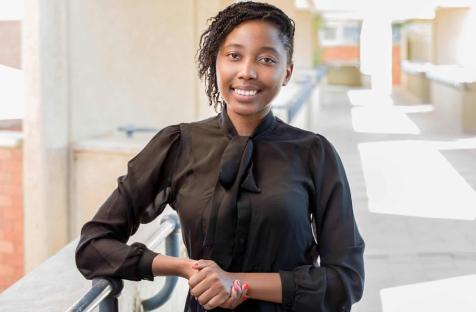
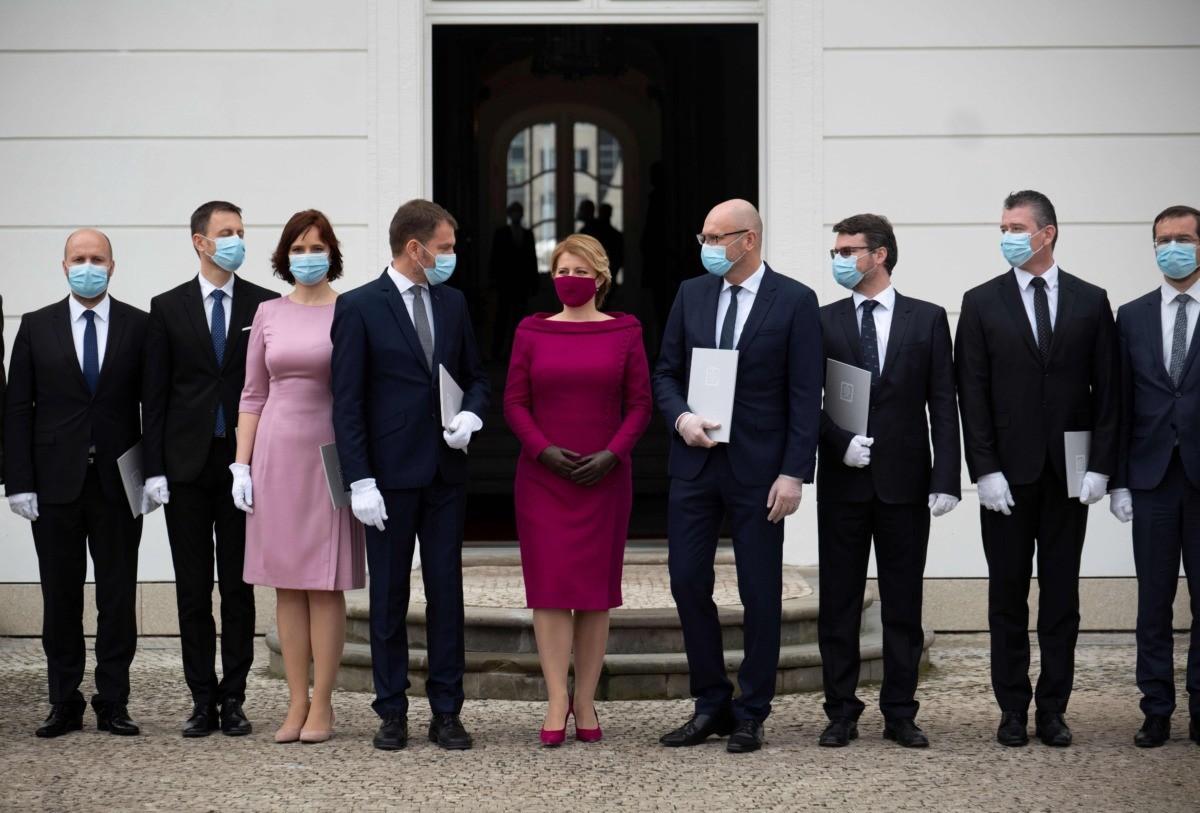
One of Africa’s youngest cabinet members to date is experiencing a baptism of fire.

The Icelandic Prime Minister, Katrín Jakobsdóttir, participated in a UN conference on the impact of COVID-19 on gender equality and the status of women, Fréttablaðið

The new virtual parliament, which started this week, could have unintended positive consequences for achieving