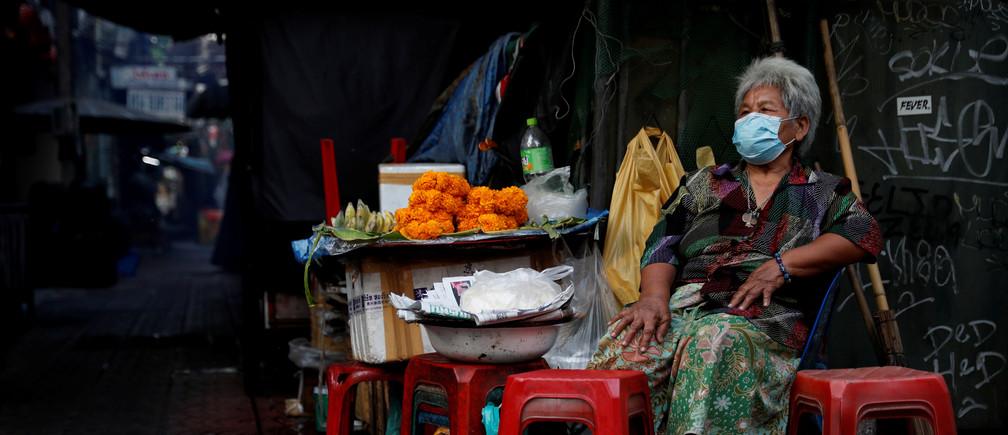
A week since The World Health Organization (WHO) declared COVID-19 as a pandemic and robust measures around the world attempt to contain its spread, social impact of the Novel Coronavirus is hitting women hard.
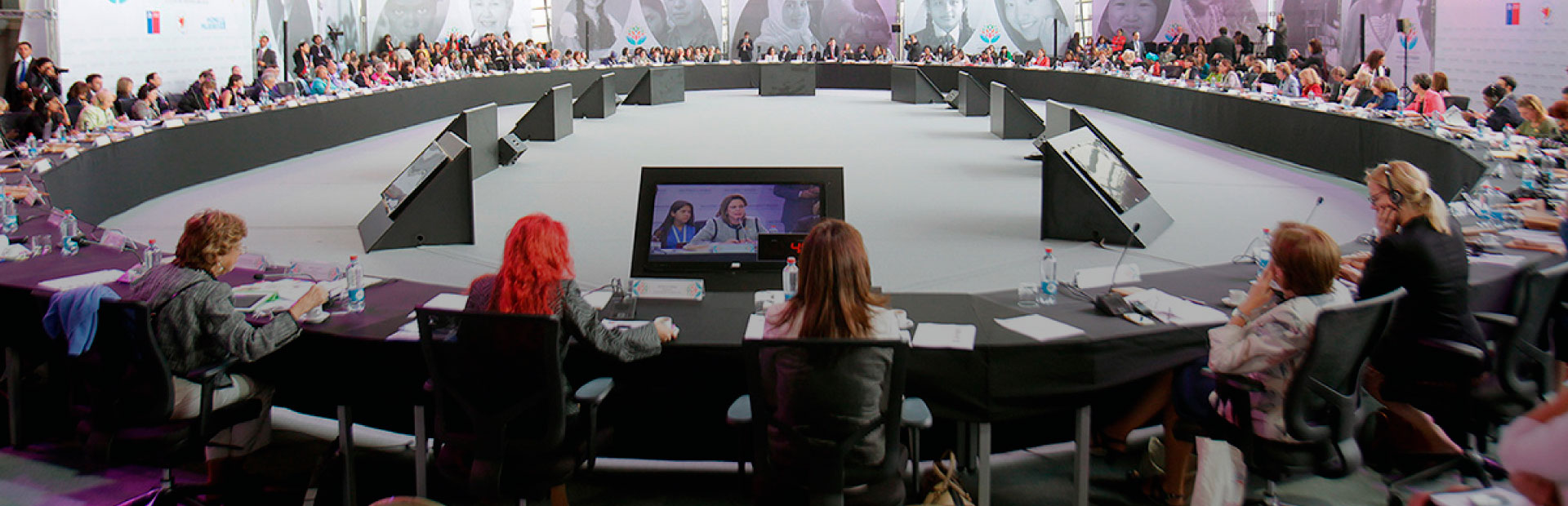
While there have been important advances in women’s leadership in politics, as of November 1 2017, women make up only 7.2% of Heads of State and 6.2% Heads of Government. Data on women representatives in local government, including as mayors, heads of villages and towns, is not well collected and analyzed. The adoption of an SDG indicator on women’s representation in local government is a great step forward in tracking progress on gender balance, allowing for the systematic collection and analysis of data on women in local government. Women’s access to and continued role in leadership positions is challenged by a range of barriers, including discriminatory laws and practices, as well as social norms that prescribe traditional roles and attitudes towards women’s participation in leadership and decision-making roles. Proactive gender-equality policies within political parties and local government structures, including quotas and special temporary measures, gender-sensitive approaches to electoral processes, support networks, mentoring, training, and engagement of male champions, can all help promote women’s role in political leadership.
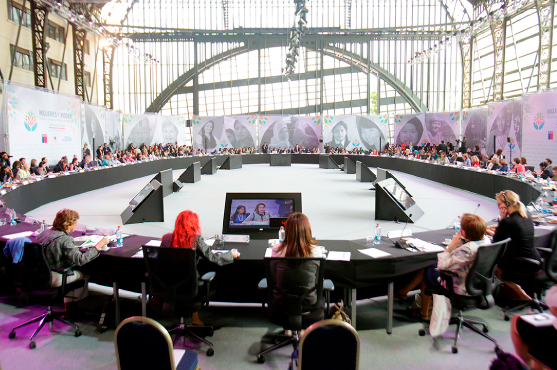
A week since The World Health Organization (WHO) declared COVID-19 as a pandemic and robust measures around the world attempt to contain its spread, social impact of the Novel Coronavirus is hitting women hard.
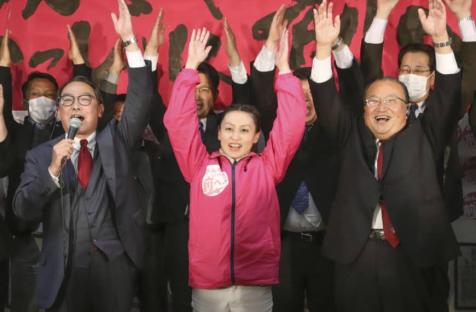
An international survey has ranked Japan 113th of 190 countries for the percentage of women in ministerial positions. It is the lowest among the Group of Seven industrialized countries.
A report released Thursday by U.N. Women says "under-representation of women in power and decision-making is still the norm."
I still remember Wednesday, November 9, 2016 like it was yesterday. The decision was already clear the night before. But there was something of a nightmarish quality to the previous evening — something surreal.
In April 1922, Roxie Dunn announced that she was running on the Democratic ticket for county treasurer.
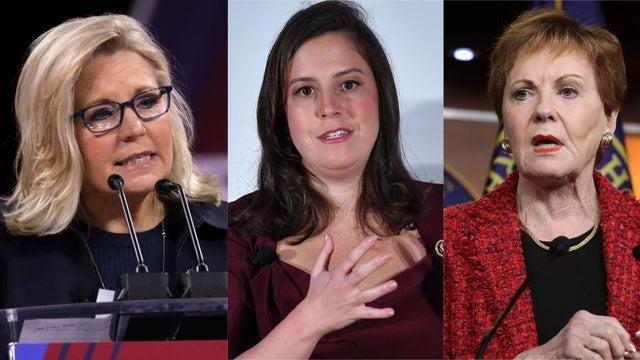
At this week's presidential debate, both serious contenders left in the race for the Democratic presidential nomination made a historic pronouncement.
From suffragettes to modern day feminists, women and men have fought long and hard for women’s right to vote and hold office.
From wanting to become a surgeon, like the protagonists of her favourite TV series Grey’s Anatomy, to combating violent extremism by improving political participation of women and the youth, Hajer Sharief has come a long way.
In 1913, the day before Woodrow Wilson’s inauguration, the Suffragette Parade organized between 5,000 and 10,000 women and allies,