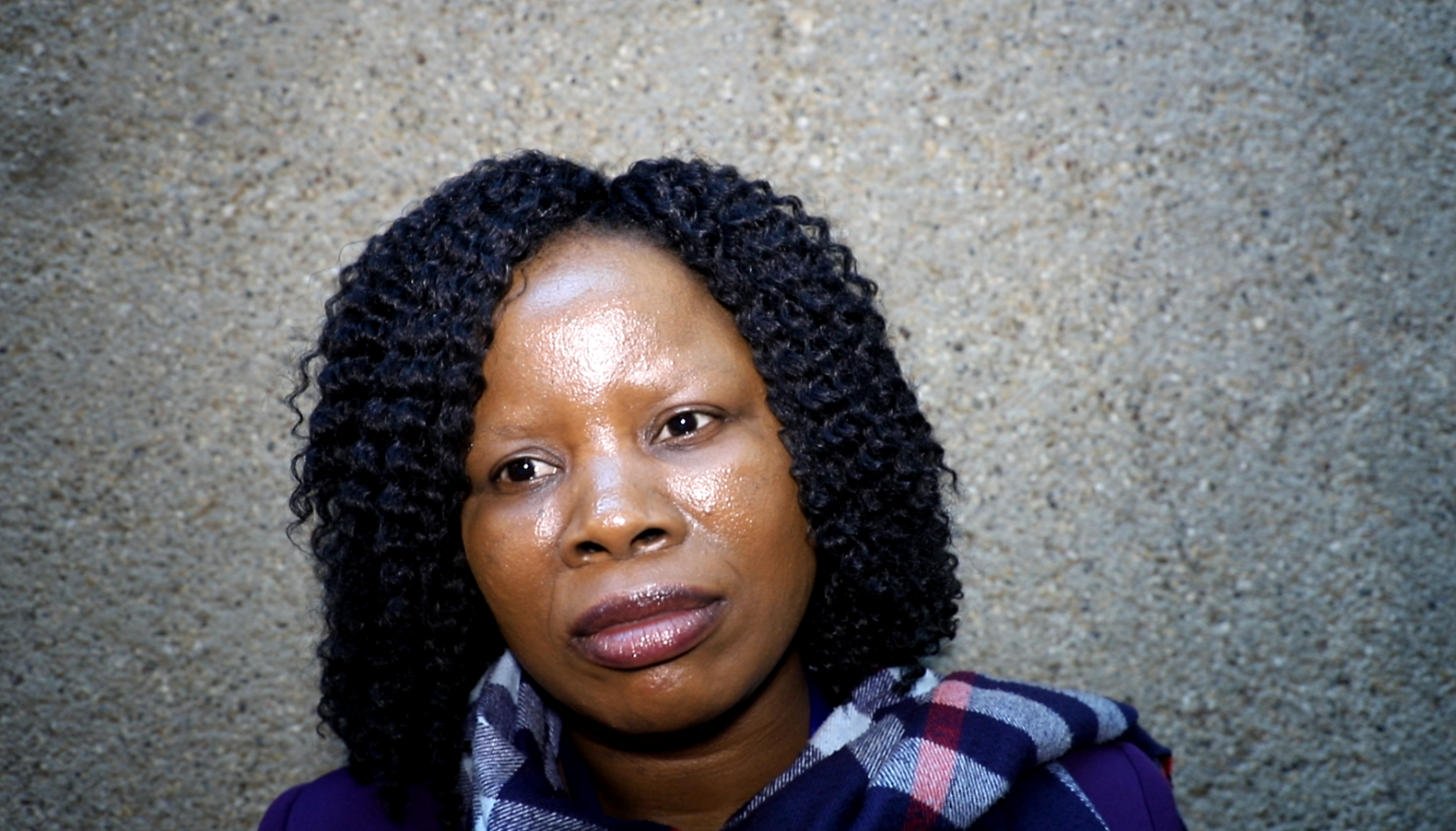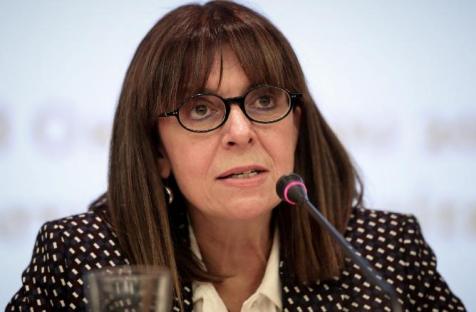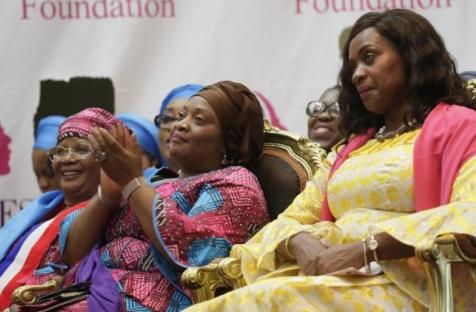
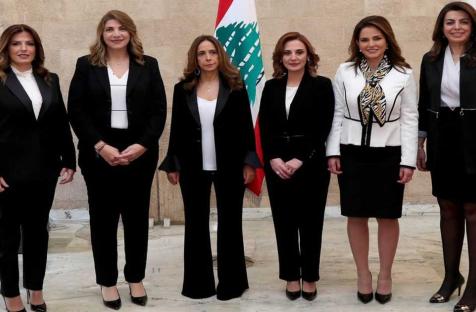
The number of Ethiopian women in the national legislative and executive branches has grown significantly since Ethiopia conducted its first parliamentary election in 1995.
While there have been important advances in women’s leadership in politics, as of November 1 2017, women make up only 7.2% of Heads of State and 6.2% Heads of Government. Data on women representatives in local government, including as mayors, heads of villages and towns, is not well collected and analyzed. The adoption of an SDG indicator on women’s representation in local government is a great step forward in tracking progress on gender balance, allowing for the systematic collection and analysis of data on women in local government. Women’s access to and continued role in leadership positions is challenged by a range of barriers, including discriminatory laws and practices, as well as social norms that prescribe traditional roles and attitudes towards women’s participation in leadership and decision-making roles. Proactive gender-equality policies within political parties and local government structures, including quotas and special temporary measures, gender-sensitive approaches to electoral processes, support networks, mentoring, training, and engagement of male champions, can all help promote women’s role in political leadership.
The number of Ethiopian women in the national legislative and executive branches has grown significantly since Ethiopia conducted its first parliamentary election in 1995.
Billions of people across the world stand on the right side of history every day. They speak up, take a stand, mobilize, and take big and small actions to advance women’s rights. This is Generation Equality.
By Lucina Di Meco,
By Lucina Di Meco,
Former President Barack Obama said there would be "significant improvement across the board" if countries were led by women.
Research shows that Generation Z is the first in which women are more likely than their male peers to be engaged in politics. Here’s what some of them told the The New York Times.
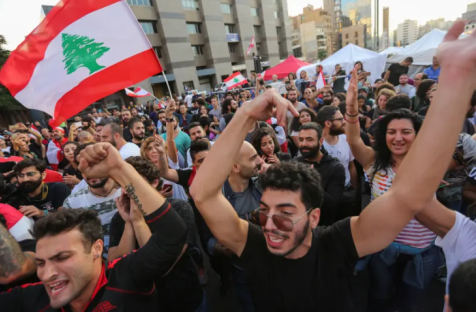
In recent years, a rising tide of women’s activism has swept across the world. Online and on the streets, millions of women have raised their voices and called for action against systemic abuse, harassment, and discrimination.
Women who seek to participate in peace processes and political decision-making face many obstacles. To achieve sustainable peace and development, societies emerging from conflict must remove these obstacles.