
January 9, 2020
How to put a stop to election-related sexual violence in Kenya
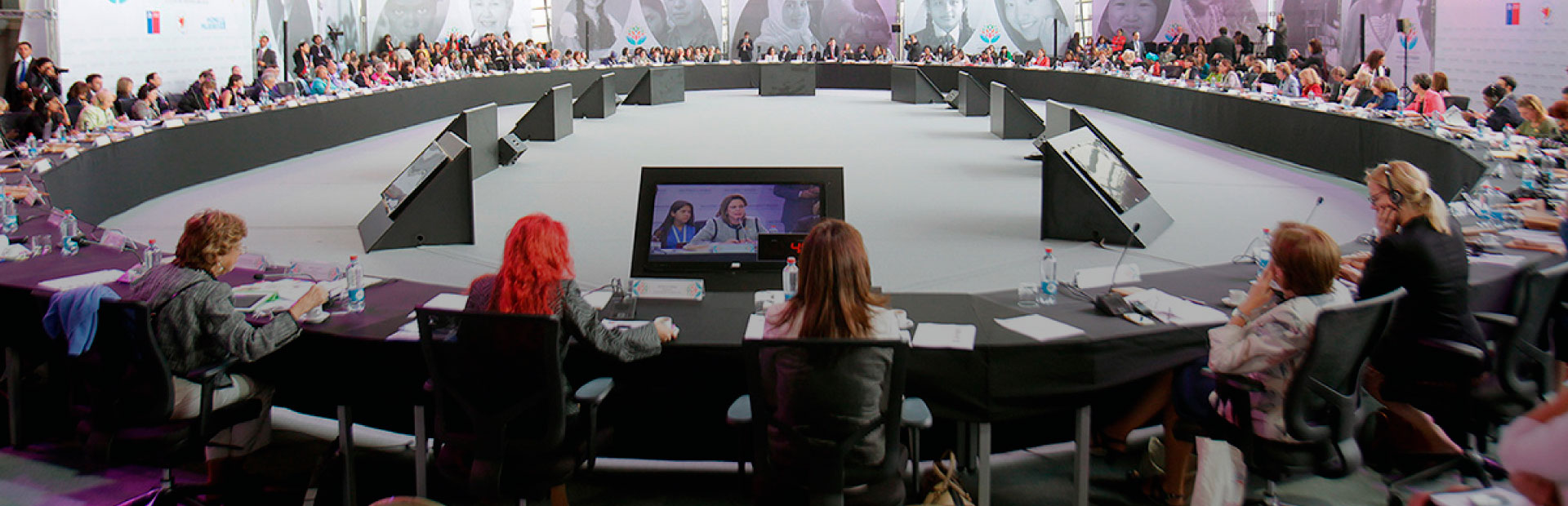
While there have been important advances in women’s leadership in politics, as of November 1 2017, women make up only 7.2% of Heads of State and 6.2% Heads of Government. Data on women representatives in local government, including as mayors, heads of villages and towns, is not well collected and analyzed. The adoption of an SDG indicator on women’s representation in local government is a great step forward in tracking progress on gender balance, allowing for the systematic collection and analysis of data on women in local government. Women’s access to and continued role in leadership positions is challenged by a range of barriers, including discriminatory laws and practices, as well as social norms that prescribe traditional roles and attitudes towards women’s participation in leadership and decision-making roles. Proactive gender-equality policies within political parties and local government structures, including quotas and special temporary measures, gender-sensitive approaches to electoral processes, support networks, mentoring, training, and engagement of male champions, can all help promote women’s role in political leadership.


By Karen Nikos-Rose, UC Davis,
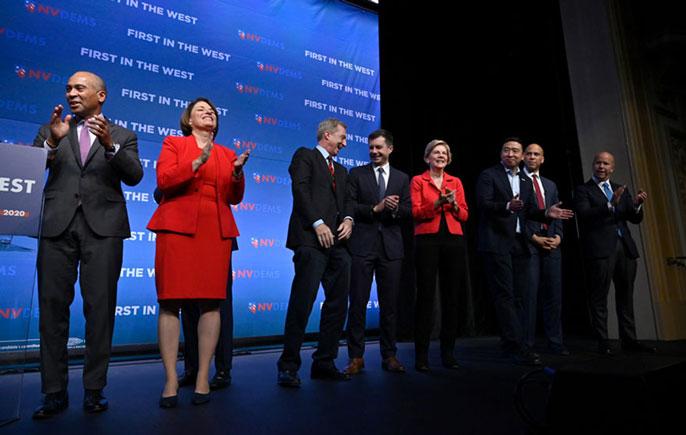
By Karen Nikos-Rose, UC Davis,
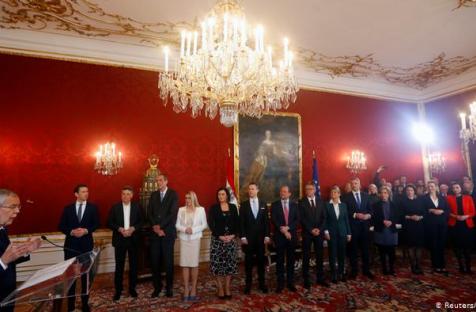
Austria swore in its new conservative-Green coalition Cabinet on Tuesday.
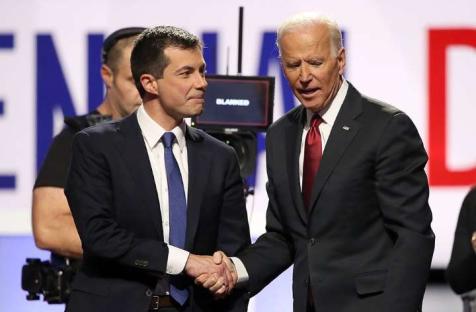
A majority of women believe male candidates have an advantage when it comes to running for public office, according to a new Hill-HarrisX poll.

Michelle Williams used her Golden Globes acceptance speech to encourage women to hit the polls this November. (…)

Croatia's presidential election has been won by centre-left challenger Zoran Milanovic, who defeated the nationalist incumbent.
By Smruti Koppikar,

By Smruti Koppikar,
By Nancy L. Cohen,
By Jess Phillips,

By Jess Phillips,