Nearly two years after the defeat of the Islamic State in Iraq and Syria (ISIS), communities are working to rebuild, and local governments are challenged to respond to citizens’ needs in order to win their trust.
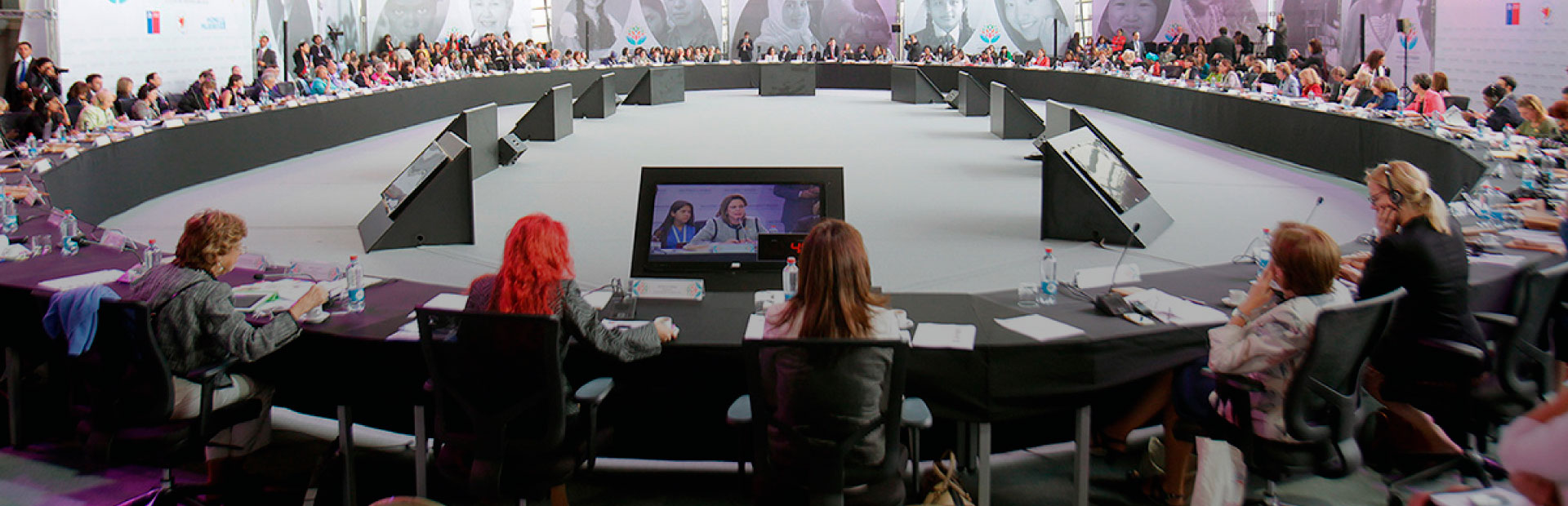
While there have been important advances in women’s leadership in politics, as of November 1 2017, women make up only 7.2% of Heads of State and 6.2% Heads of Government. Data on women representatives in local government, including as mayors, heads of villages and towns, is not well collected and analyzed. The adoption of an SDG indicator on women’s representation in local government is a great step forward in tracking progress on gender balance, allowing for the systematic collection and analysis of data on women in local government. Women’s access to and continued role in leadership positions is challenged by a range of barriers, including discriminatory laws and practices, as well as social norms that prescribe traditional roles and attitudes towards women’s participation in leadership and decision-making roles. Proactive gender-equality policies within political parties and local government structures, including quotas and special temporary measures, gender-sensitive approaches to electoral processes, support networks, mentoring, training, and engagement of male champions, can all help promote women’s role in political leadership.
Nearly two years after the defeat of the Islamic State in Iraq and Syria (ISIS), communities are working to rebuild, and local governments are challenged to respond to citizens’ needs in order to win their trust.
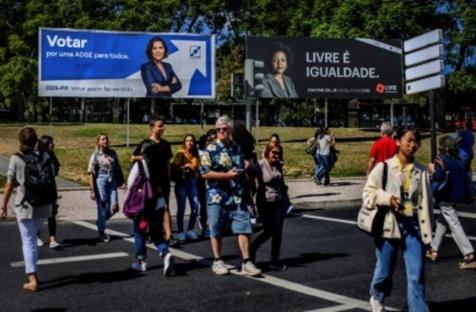
September elections in Afghanistan were expected to produce the country’s democratic transfer of power and a moral sign of social progress, however, it saw a record low turnout.
Indonesia's new parliament elected its first female speaker, Puan Maharani Nakshatra Kusyala, granddaughter of the country's first president, after members of the Ho
There are currently 22 gender-balanced cabinets, of which 14 have at least 50% of women ministers.
By Ikram Ben Said and Samah Krichah,
Bhatia, who also doubles as the Deputy Executive Director of the UN Women said she was pleased that at least 52 percent of positions on the committees in Maaji Refugee Settlement in Adjumani district, Northern Uganda were won by women.