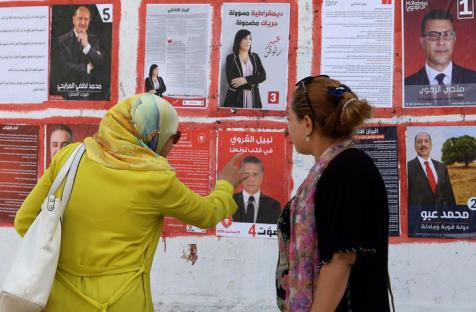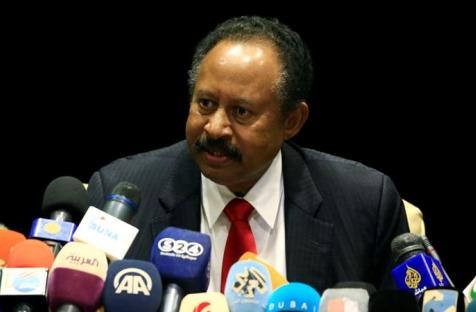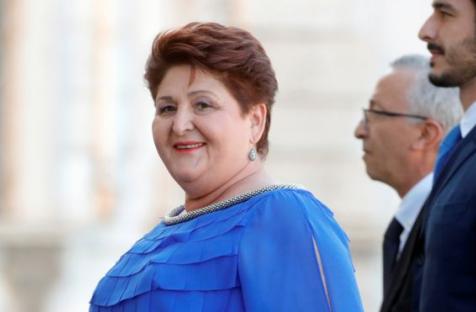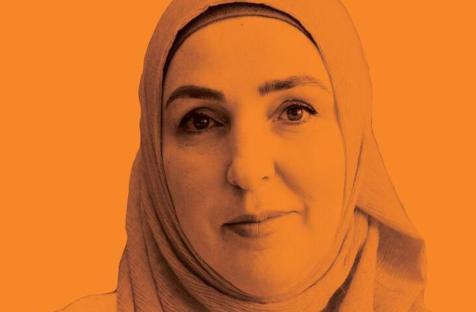
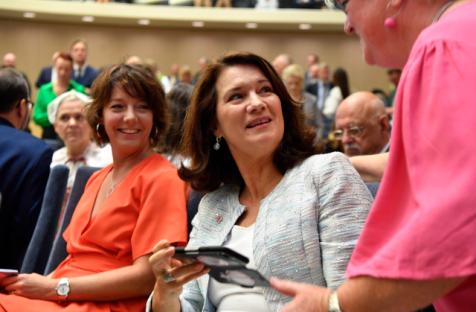
Deputy Special Representative of the UN Secretary General to Iraq, Alice Walpole, on Sunday called for an increase of women’s role in politics and include them in the decision-making process in Iraq and elsewhere.
While there have been important advances in women’s leadership in politics, as of November 1 2017, women make up only 7.2% of Heads of State and 6.2% Heads of Government. Data on women representatives in local government, including as mayors, heads of villages and towns, is not well collected and analyzed. The adoption of an SDG indicator on women’s representation in local government is a great step forward in tracking progress on gender balance, allowing for the systematic collection and analysis of data on women in local government. Women’s access to and continued role in leadership positions is challenged by a range of barriers, including discriminatory laws and practices, as well as social norms that prescribe traditional roles and attitudes towards women’s participation in leadership and decision-making roles. Proactive gender-equality policies within political parties and local government structures, including quotas and special temporary measures, gender-sensitive approaches to electoral processes, support networks, mentoring, training, and engagement of male champions, can all help promote women’s role in political leadership.
Deputy Special Representative of the UN Secretary General to Iraq, Alice Walpole, on Sunday called for an increase of women’s role in politics and include them in the decision-making process in Iraq and elsewhere.
In 1973, Congress declared August 26th "Women's Equality Day."
By Caitlin Moscatello,
The e-Discussion on political participation of women with disabilities was launched on 14 June 2019 in Arabic, English, French and Spanish
The G7 Gender Equality Advisory Council releases today its Recommendations for advancing gender equality and the empowerment of girls and women and Call to Action.
The sheer tenacity of women raising their voices and organising for fundamental change has been, and will continue to be, the driving force for achieving women’s rights and a gender-equal world.
By Nicole Carlsburg,
By Caitlin Moscatello,